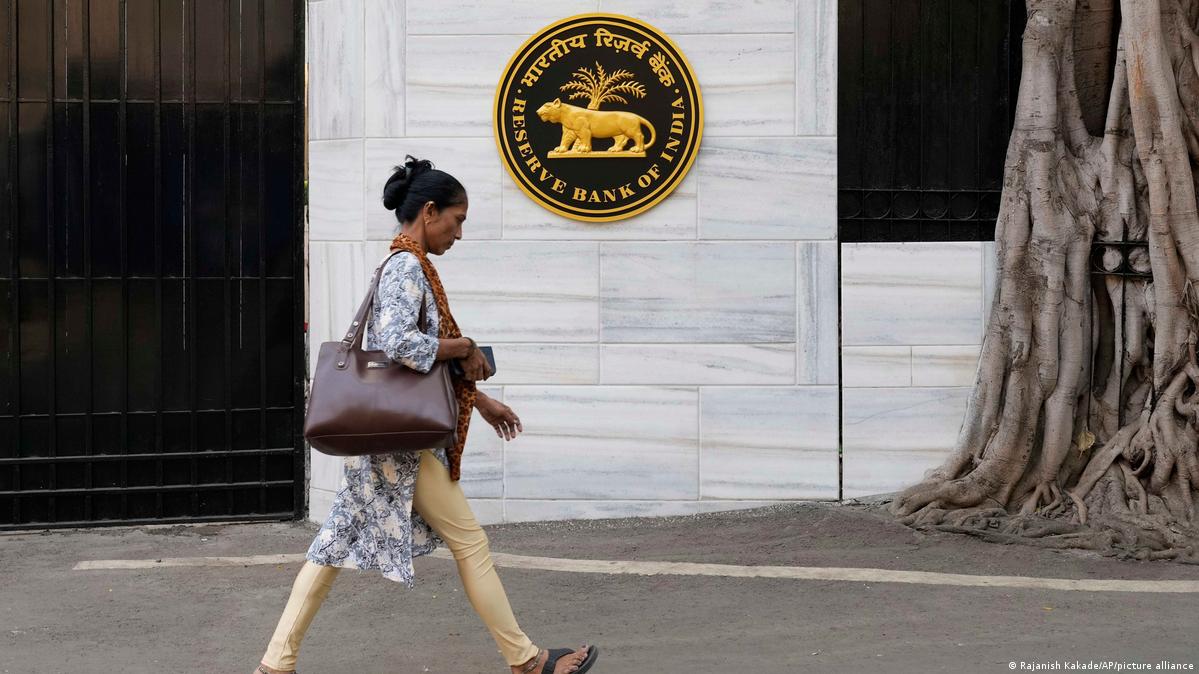
The Indian Central Bank announced on Wednesday that it would keep its key interest rate at 5.25%, a decision that reflects the strength of economic growth allowing it to maintain a tight monetary policy in light of rising inflationary risks stemming from the war in Iran.
Economists' forecasts, based on a survey conducted by Reuters, indicated no change in the interest rate. The Governor of the Indian Central Bank, Sanjay Malhotra, explained that the intensity and duration of the conflict, along with damage to energy infrastructure and more, pose risks to inflation and growth in India.
Details of the Event
India has seen a rise in the consumer inflation rate for the fourth consecutive month, recording 3.21% in February, compared to 2.75% in the previous month. Despite the robust growth achieved by India, with the economy expanding at a rate of 7.8% in the last quarter of the year, the war in Iran threatens to slow this growth.
Earlier, V. Anantha Nageswaran, the Chief Economic Advisor of India, warned that the growth forecasts for the fiscal year ending in March 2027, which range between 7.0% and 7.4%, face significant risks due to rising energy costs and supply chain disruptions linked to the war in Iran.
Background & Context
The conflict began on February 28 after U.S. and Israeli airstrikes on Iran, disrupting the flow of goods through the Strait of Hormuz, a vital waterway that carries 20% of global oil. This situation has led to increased energy and transportation costs, adding pressure on supply chains.
In a positive development, the United States and Iran agreed to a ceasefire, with Tehran announcing that the passage of ships would be "possible" over the next two weeks in coordination with the Iranian armed forces, which may provide some temporary relief to the markets.
Impact & Consequences
Data from the Purchasing Managers' Index by HSBC, prepared by S&P Global, indicates that private sector activity in India slowed in March to its lowest level since October 2022. Companies surveyed reported that the war in the Middle East, unstable market conditions, and inflationary pressures have "negatively impacted growth."
Concerns are growing that the continuation of the conflict could exacerbate economic conditions, as rising commodity prices will affect consumers' purchasing power and increase production costs.
Regional Significance
These developments are particularly significant for the Arab region, as any escalation in the conflict could impact oil prices, which directly reflects on the economies of Arab countries that heavily rely on oil revenues. Additionally, disruptions in supply chains could affect trade between Arab nations and India.
In conclusion, attention remains focused on the developments of the conflict in Iran and its potential impact on the Indian economy and global markets, as stability in the region is vital for achieving sustainable growth.