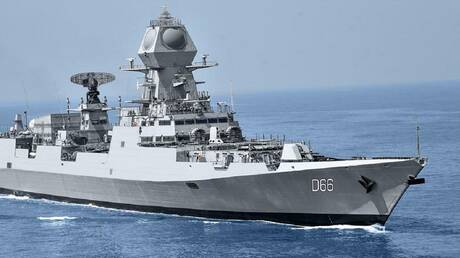
Indian Defense Minister Rajnath Singh announced that India is ready to face any potential energy crisis that may arise from the escalating tensions in the Middle East. He confirmed that the Indian Navy is escorting oil tankers through the Strait of Hormuz, one of the world's most important maritime passages, to ensure their safety and security.
These statements come at a time when the Strait of Hormuz is witnessing increasing tensions, as this vital passage is a main transit point for approximately 20% of the world's total oil supply. India, which heavily relies on oil imports, has shown significant interest in securing its energy supplies under the current conditions.
Details of the Event
During a press conference, Singh indicated that India is closely monitoring the situation in the region, and that the Indian Navy has taken proactive measures to ensure the safety of oil tankers passing through the strait. He emphasized that these actions are part of India's commitment to securing its national interests in the energy sector.
The minister also clarified that India seeks to maintain stability in global energy markets, highlighting the importance of international cooperation in this field. He assured that his country will work to strengthen partnerships with other nations to ensure the safe flow of oil.
Background & Context
Historically, the Strait of Hormuz has witnessed numerous crises and tensions, having been the stage for several military and political conflicts. In recent years, tensions between Iran and Western nations have escalated, raising concerns about the safety of navigation in this vital corridor.
India is one of the largest oil importers in the world, heavily depending on imports to meet its energy needs. With the increasing demand for oil in India, any disruption in oil supplies could have negative impacts on the Indian economy.
Impact & Consequences
Tensions in the Strait of Hormuz could lead to rising global oil prices, affecting oil-consuming economies, including India. In the event of an energy crisis, India may have to seek alternative energy sources, which could impact its economic strategies.
Furthermore, the strengthening of the Indian Navy to escort oil tankers may reflect a shift in India's defense policy, as it seeks to enhance its presence in strategic maritime areas. This could lead to increased cooperation with other countries in the region, such as the United States and Gulf nations.
Regional Significance
The Arabian Gulf region is considered one of the most sensitive areas in the world, playing a pivotal role in global energy supplies. Any tension in this region can directly affect global markets and lead to increased oil prices.
Arab countries, especially those in the Gulf, are striving to enhance stability in the region through cooperation with major powers like India. Collaboration in securing energy supplies could contribute to strengthening economic and political relations between India and Arab nations.
In conclusion, the statements made by the Indian Defense Minister represent an important step toward enhancing energy security in the region, underscoring the significance of international cooperation in addressing challenges related to energy supplies.