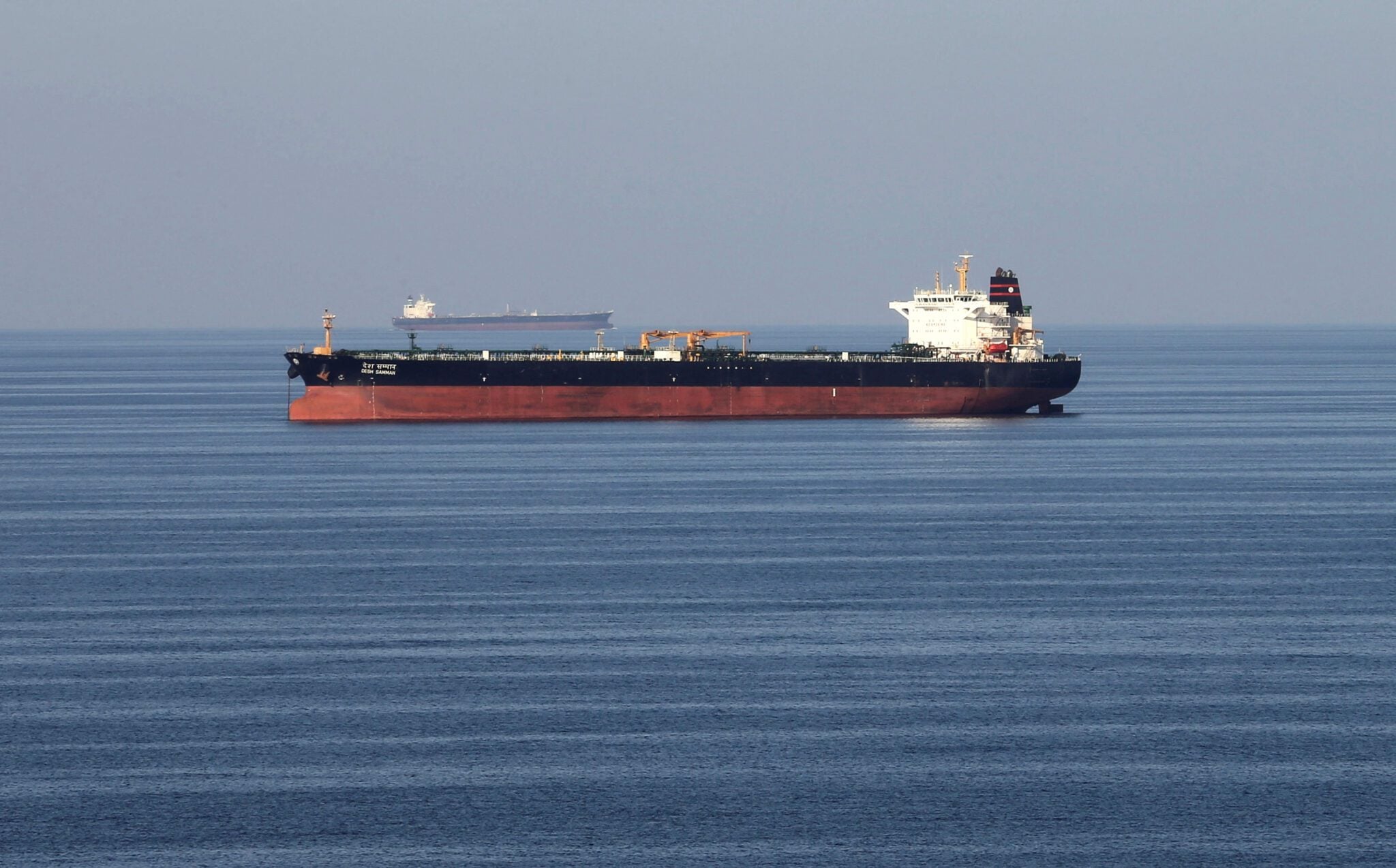
On Sunday, India announced that two of its liquefied gas carriers successfully transited through the Hormuz Strait, heading towards the country. The Indian Ministry of Petroleum and Natural Gas stated in an official release that the two vessels together carry approximately 94,000 metric tons of liquefied gas, reflecting a relative stability in maritime navigation in this strategic area.
The Hormuz Strait is a vital transit point for oil and gas, through which about 20% of the world's total oil supplies pass. The region has witnessed increasing tensions in recent years due to geopolitical disputes, making the security of these maritime routes critically important.
Details of the Event
According to the statement from the Indian Ministry of Petroleum, the two vessels passed through the strait without any reported incidents. This successful transit comes at a sensitive time, as concerns have grown over potential threats to maritime navigation in the region. The Indian government has reaffirmed its commitment to securing energy supplies, especially given the significant reliance on natural gas in the Indian economy.
It is noteworthy that India is one of the largest importers of liquefied natural gas in the world, striving to meet its growing energy needs. These carriers have bolstered India's ability to secure its gas supplies amid increasing global competition for resources.
Background & Context
The Hormuz Strait, located between Iran and Oman, is one of the busiest maritime passages in the world. In recent years, the region has seen a rise in tensions between Iran and the United States, impacting navigation. In 2019, several tankers were attacked in the area, heightening concerns about maritime security.
Historically, India has relied on energy imports from Gulf countries, which represent a key source of oil and gas. With the increasing demand for energy in India, the Indian government is seeking to strengthen its relationships with energy-producing countries in the region.
Impact & Consequences
The safe passage of the two Indian carriers through the Hormuz Strait is a positive indicator of stability in maritime navigation in the area. This could enhance confidence among investors and companies operating in the energy sector. Securing natural gas supplies is vital for the Indian economy, which heavily depends on these resources to meet its growing needs.
Moreover, the success of this operation may encourage more countries to enhance their cooperation in securing maritime navigation, contributing to reducing risks associated with geopolitical tensions.
Regional Significance
The Arabian Gulf region is a vital hub for global energy supplies, and any developments in maritime navigation directly affect global markets. India's success in securing the transit of gas carriers through the Hormuz Strait reflects the capability of countries to address security challenges in the region.
This event may also strengthen India's position as an economic power in the region, potentially leading to increased cooperation between India and Arab countries in energy and trade.
In conclusion, ensuring navigation in the Hormuz Strait is crucial for maintaining stability in global markets, and India's success in this area underscores the importance of international cooperation in facing security challenges.