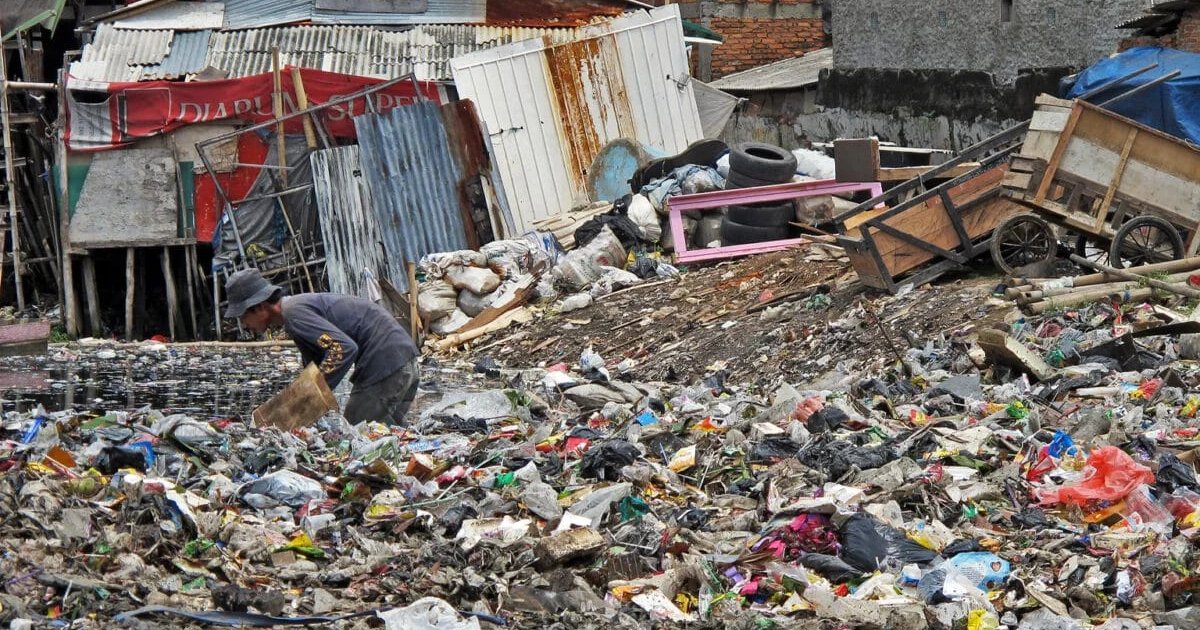
The Indonesian government has announced the acceleration of its waste-to-energy project (PSEL) at the Tamangaba site, with the goal of ending open dumping by 2026. This announcement comes at a time when the country is facing significant challenges in waste management, necessitating effective and swift action.
The PSEL project aims to process waste and convert it into electrical energy, contributing to a reduction in reliance on open dumping, which is considered one of the largest sources of pollution in the country. This project is expected to improve environmental quality and promote sustainability.
Details of the Initiative
The Tamangaba site in the Antang area has been identified as one of the main locations for implementing this ambitious project. The Indonesian Ministry of Environment and Marine Affairs has confirmed that the project will commence in its first phase within the next few months, focusing on utilizing modern technologies to convert waste into energy.
Reports indicate that the project will rely on partnerships with the private sector to attract the necessary investments, reflecting the government's commitment to enhancing cooperation between the public and private sectors in waste management and renewable energy.
Background & Context
Indonesia is considered one of the largest exporters of plastic waste in the world, facing significant challenges in waste management. According to previous reports, Indonesians produce approximately 68 million tons of waste annually, placing immense pressure on traditional waste management systems.
In recent years, the Indonesian government has begun taking serious steps to address this issue, including launching initiatives aimed at reducing waste and promoting recycling. The PSEL project is part of these broader efforts to achieve sustainable development.
Impact & Consequences
The PSEL project is expected to have a significant positive impact on the local environment, as it will help reduce pollution resulting from open dumping. Furthermore, the project is seen as a step towards achieving Indonesia's renewable energy goals, with expectations that it will generate enough electrical energy to meet the needs of many local communities.
Additionally, the project could contribute to creating new job opportunities in the renewable energy sector, thereby boosting the local economy and improving the living standards of residents.
Regional Significance
Indonesia's experience in converting waste to energy serves as a model that Arab countries could benefit from, as they also face similar challenges in waste management. Many Arab nations, such as Egypt and Jordan, struggle with waste management issues, necessitating innovative and sustainable solutions.
The PSEL project could inspire Arab countries to adopt similar strategies, enhancing their efforts towards achieving sustainable development and environmental protection.
In conclusion, the waste-to-energy project in Indonesia demonstrates the government's commitment to achieving sustainable development and addressing environmental challenges. By implementing this project, Indonesia hopes to improve the quality of life for its citizens and contribute to environmental protection.