An Indonesian parliamentary agriculture committee member, Rajiv, announced that the government rice stock has surpassed 5 million tons, marking a historic high. This achievement reflects Indonesia's ability to achieve food self-sufficiency faster than anticipated. Rajiv confirmed in statements from Jakarta that Minister of Agriculture, Andi Amran Sulaiman, has proven his seriousness in executing his duties.
Rajiv pointed out that President Prabowo had set a goal to achieve rice self-sufficiency within four years, but Minister Amran managed to achieve this goal in a time frame of just 1.5 years, which he described as an exceptional accomplishment.
Event Details
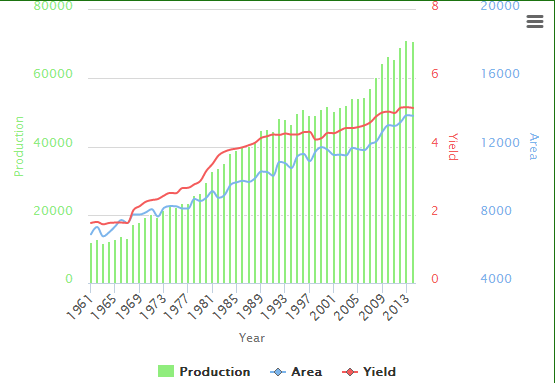
Rajiv clarified that rice production in Indonesia reaches 5.7 million tons monthly, ensuring food security stability in the country for the next nine months. Given the current global conditions marked by instability and threats to food security, Indonesia enjoys sufficient food stock that lasts for 324 days.
He also noted that the Ministry of Agriculture is actively working on implementing multiple strategic programs, such as achieving self-sufficiency in corn and sugar, and increasing coffee and cocoa production. These programs have contributed to enhancing agricultural productivity in the country.
Background & Context
Historically, Indonesia has heavily relied on rice imports to meet its food needs. However, the government has been implementing strategies aimed at achieving rice self-sufficiency for several years, which has become an urgent necessity amid climate changes and global threats to food security.
Indonesia is one of the largest rice-producing countries in the world; however, climatic challenges such as the El Niño phenomenon can negatively impact production. Therefore, the efforts made to achieve self-sufficiency are a positive step towards enhancing food security.
Impact & Consequences
Indonesia's achievement of a record level in rice stock may have positive effects on the local economy, as it could lead to price stability and reduce reliance on imports. This accomplishment also reflects the government's ability to manage resources effectively under challenging conditions.
However, Rajiv warned that these achievements may face challenges in the future, especially with the approaching El Niño phenomenon, which could lead to prolonged droughts threatening agricultural production. Thus, the government must prepare to face these challenges.
Regional Significance
Indonesia's experience in achieving rice self-sufficiency serves as a model for Arab countries facing similar challenges in securing their food needs. Arab nations can benefit from Indonesian experiences in developing effective agricultural strategies.
In light of global food crises, it becomes essential for Arab countries to enhance their local food production and reduce reliance on imports. Cooperation between Arab nations and Indonesia in agriculture can contribute to achieving food security in the region.