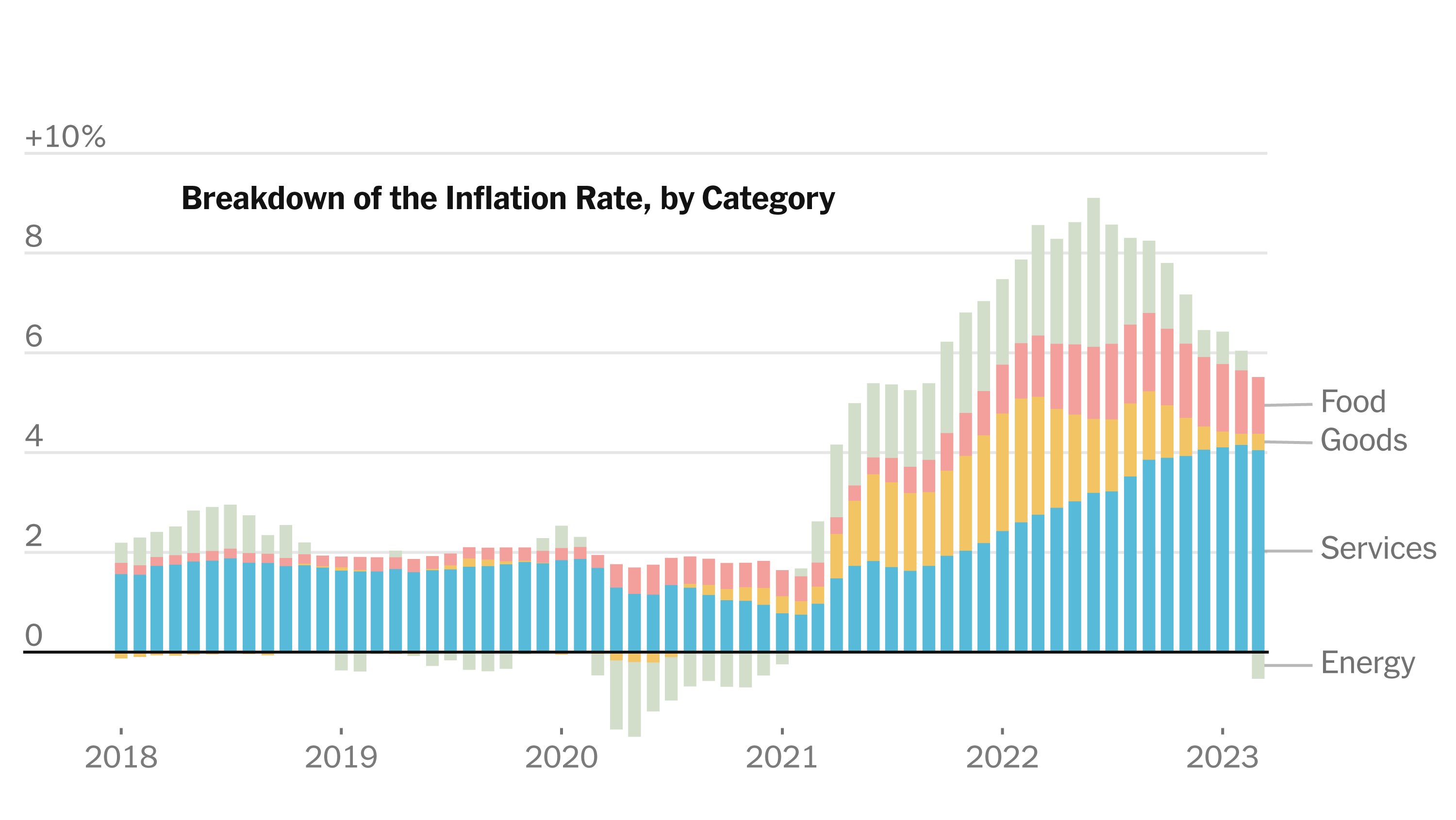
In a move aimed at safeguarding workers' rights, Indonesian Minister of Labor, Yasirli, has stated that both private and public companies are obligated to pay employees in full, even if a work-from-home (WFH) policy is implemented once a week. These remarks come at a time when the country is experiencing rising inflation rates, with new data revealing that the annual inflation rate reached 3.48% in March 2026.
The minister explained that these measures are part of the government's efforts to protect workers' rights, especially under the tough economic conditions that may impact their income. He emphasized that any reduction in salaries under the pretext of working from home constitutes a violation of employee rights.
Details of the Announcement
In a related context, Minister of Cooperatives, Feri Juliantono, announced plans to develop cooperatives (koperasi) that extend beyond economic activities to include the establishment of centers for receiving complaints from women and children. This initiative aims to enhance the role of cooperatives in society and provide support for at-risk individuals.
Additionally, Minister of Finance, Berapa Yudhi Sadio, reported that Petronas will temporarily cover the difference in prices for unsubsidized fuel, amid rising global oil prices. These decisions come at a sensitive time as the government seeks to achieve economic stability amidst global market fluctuations.
Background & Context
Historically, Indonesia has undergone significant economic transformations, especially following the COVID-19 pandemic, which led to drastic changes in the labor market. The work-from-home policy has become prevalent, necessitating a reevaluation of workers' rights and how to protect their income. The Indonesian government is striving to balance work requirements with employee rights, particularly in light of economic challenges.
In this context, inflation rates are one of the critical indicators reflecting the health of the economy. Data from the Central Statistics Agency showed that the consumer price index rose from 107.22 in March 2025 to 110.95 in March 2026, indicating increasing inflationary pressures.
Impact & Consequences
These policies represent a positive step towards protecting workers' rights; however, they also pose challenges for companies that may struggle to bear the full salary costs amid rising inflation. It is crucial for the government to balance the protection of workers' rights with support for businesses to ensure economic sustainability.
Moreover, rising inflation rates may affect citizens' purchasing power, prompting the government to take additional measures to address these challenges. In this framework, the government must strengthen fiscal and monetary policies to ensure price stability and stimulate economic growth.
Regional Significance
Indonesia's experience in addressing workers' rights during economic crises serves as a model that Arab countries can benefit from. Many Arab nations face similar challenges amid rising unemployment and inflation rates. The policies adopted by Indonesia could inspire Arab countries on how to protect workers' rights and enhance economic stability.
In conclusion, Arab governments should consider the lessons learned from international experiences like Indonesia's to ensure a balance between workers' rights and market demands, contributing to sustainable development.