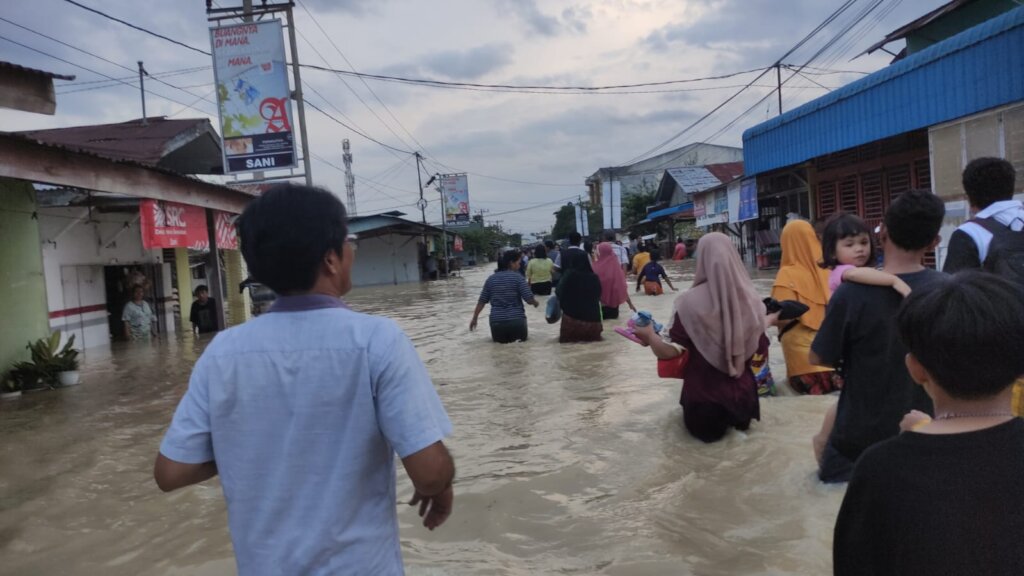
The Indonesian Ministry of Social Affairs announced financial assistance of 11 million rupiah for victims of hydrometeorological disasters in Agam. This initiative is part of the government's efforts to support affected communities and enhance their recovery capacity.
The Indonesian government aims to alleviate the impacts of natural disasters that have recently struck the region, where many families have been affected by floods and landslides. This assistance has been allocated to meet the basic needs of the affected individuals, including food, shelter, and healthcare.
Details of the Assistance Program
Hydrometeorological disasters pose significant challenges for Indonesia, as the country frequently experiences waves of floods and storms. These events have led to loss of life and destruction of property, necessitating urgent government intervention. According to reports, the financial aid will be distributed to affected families as soon as possible, with a focus on the most vulnerable groups.
The Ministry of Social Affairs is working in collaboration with local and international non-governmental organizations to ensure that aid reaches those in need. A comprehensive plan has also been established for rehabilitating affected areas, which includes improving infrastructure and providing psychological and social support to victims.
Background & Context
Historically, Indonesia has experienced numerous natural disasters, making it one of the countries most susceptible to these phenomena. In recent years, the frequency of such disasters has increased due to climate change, exacerbating humanitarian conditions in certain areas. The Indonesian government has demonstrated its ability to manage these crises through effective disaster management strategies.
These strategies include raising community awareness about disaster risks, developing early warning systems, and providing training for local teams on how to respond promptly. The government also seeks to enhance cooperation with other countries to tackle shared challenges.
Impact & Consequences
The financial assistance provided by the government is a positive step towards improving the humanitarian situation in the affected areas. However, the biggest challenge remains how to ensure the sustainability of this aid and achieve full recovery for the victims. The government needs long-term strategies to prevent the recurrence of such crises.
This assistance may also help strengthen trust between the government and citizens, contributing to building a more cohesive society capable of facing future challenges. It is also important to periodically evaluate the effectiveness of this aid to ensure that the desired objectives are met.
Regional Significance
Natural disasters are a global issue that affects all countries, including Arab nations. Many Arab countries face similar challenges, such as floods and droughts, necessitating enhanced regional and international cooperation to address these phenomena. Indonesia's experience in disaster management could serve as a model for Arab countries on how to handle natural crises.
In conclusion, the assistance provided by the Indonesian government represents an important step towards recovery from natural disasters. It is essential that efforts continue to enhance the capacity to face future challenges, both at the local and regional levels.