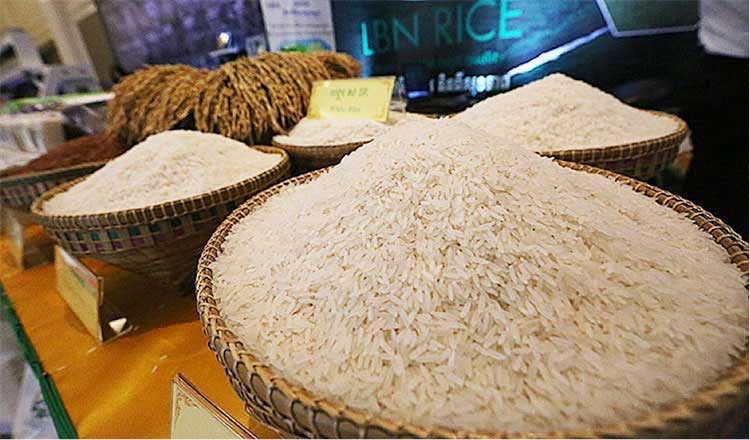
The Indonesian Minister of Agriculture, Andi Amran Sulaiman, announced that the national rice stock has reached 28 million tons, which is sufficient to meet local consumption needs for 10 to 11 months. This announcement was made during a press conference following a meeting of the agriculture committee in the Indonesian parliament, where Sulaiman emphasized the importance of this stock in light of the climate and economic challenges facing the country.
Sulaiman explained that 5 million tons of this stock is held as a government reserve in the warehouses of Perum Bulog, while the stock available in the community, including hotels and restaurants, is estimated at around 12.5 million tons. He also noted that unharvested agricultural crops are estimated at around 11 million tons, which enhances the total available stock.
Details of the Rice Stock Situation
Sulaiman reported that Indonesia needs about 2.6 million tons of rice monthly, which means the current stock can meet the country's needs until the end of the year. He confirmed that the government is prepared to face any challenges that may arise from the El Niño phenomenon, as rice productivity is expected to continue at a rate of 2 million tons monthly during this period.
These measures are part of the government's strategy to address the potential effects of drought due to El Niño, as well as geopolitical tensions in the Middle East. Sulaiman pointed out that Indonesia has prior experience in dealing with El Niño, making current preparations more effective.
Background & Context
Historically, Indonesia has experienced several periods of drought due to El Niño, particularly in 2015 and 2016, which affected agricultural production. However, the current government has taken concrete steps to enhance agricultural infrastructure, including improving irrigation systems and distributing 80,000 units of water pumps across the country.
A program for wetland improvement has also been implemented, covering about 800,000 hectares, to enhance national agricultural productivity. These efforts reflect the government's commitment to strengthening food security in the country.
Impact & Consequences
These steps are vital to ensure price stability and meet the needs of the population amid potential crises. The existence of a large rice stock reflects the government's ability to manage food crises, which may help mitigate the impact of any price increases resulting from climatic or economic conditions.
Furthermore, enhancing agricultural productivity through improved infrastructure and effective resource distribution can contribute to achieving self-sufficiency in rice, reducing reliance on imports.
Regional Significance
The implications of Indonesia's rice stock situation extend beyond its borders, as the country plays a significant role in regional food security. Neighboring countries may look to Indonesia's strategies and preparedness as a model for managing similar challenges.
In conclusion, the Indonesian government's proactive measures in managing rice stocks and agricultural productivity are essential not only for domestic stability but also for regional food security, especially in the face of climate change and economic uncertainties.