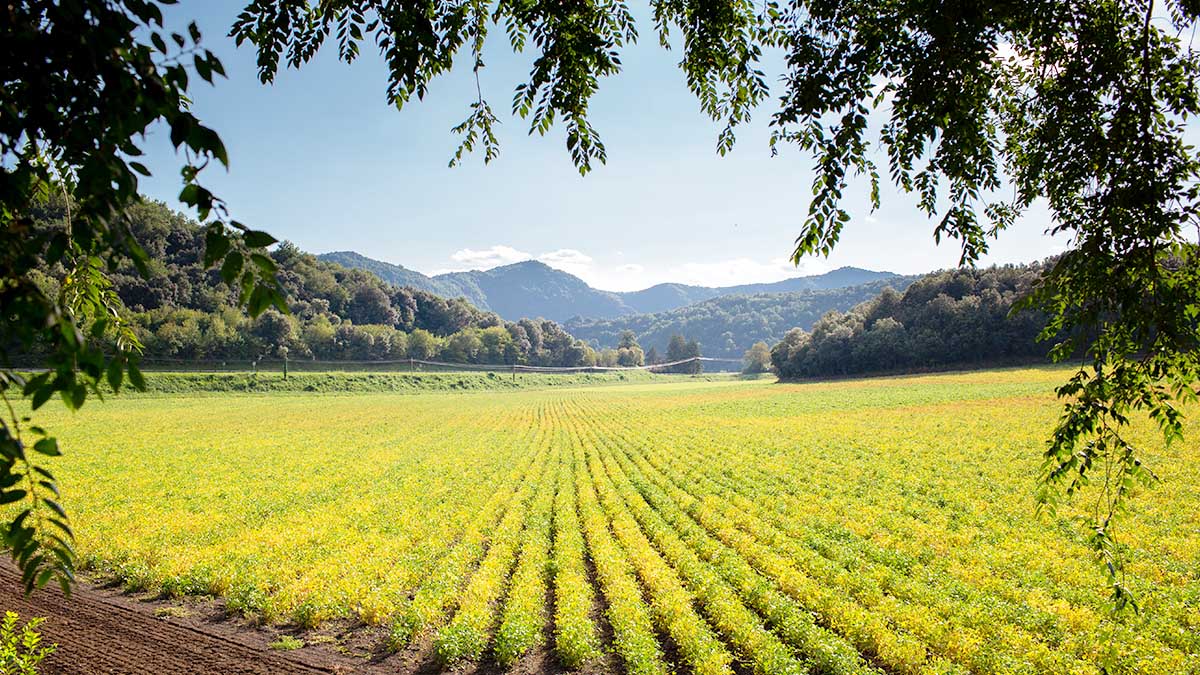
The Indonesian government has announced a new regulation imposing penalties for converting protected agricultural land to non-agricultural uses. This announcement was made during a coordination meeting led by the Coordinating Minister for Food Affairs, Zulkifli Hasan, in the capital city of Jakarta. He noted that this regulation aims to address the issue of agricultural land that has already been converted.
According to preliminary data, approximately 600,000 hectares of agricultural land have been converted to non-agricultural uses from 2019 to 2025. Additionally, data from the period of 2010 to 2019 is still being verified. The minister stated that the new regulation will impose strict penalties, including fines for those who use productive agricultural land, along with a compensatory system requiring violators to compensate three times the value of the damaged land.
Details of the New Regulation
The Indonesian government is working to expedite the process of identifying protected agricultural land, having designated protected areas in eight provinces covering a total area of 3,836,944 hectares. Furthermore, additional land has been identified in 12 provinces covering 2,739,640.69 hectares, which is now awaiting approval from the relevant ministries.
Officials aim to complete the identification of protected land in 17 additional provinces by the second quarter of 2026, which will add approximately 744,000 hectares of new protected land. The minister confirmed that the new regulation will be finalized within two months, allowing for the enforcement of penalties against violators.
Background & Context
Indonesia is one of the largest agricultural countries in the world, with its economy heavily reliant on agriculture. However, in recent years, the country has witnessed a significant increase in the conversion of agricultural land to non-agricultural uses, negatively impacting food security. Studies have shown that unplanned conversions lead to soil degradation and reduced agricultural productivity.
This initiative is part of the government's efforts to maintain food security and enhance agricultural production. Minister of Agriculture Andi Amran Sulaiman indicated that these policies are not limited to imposing penalties but also aim to increase the area of national agricultural land.
Impact & Consequences
The new policies are expected to enhance the protection of agricultural land, contributing to increased agricultural productivity. The enforcement of these penalties may also reduce illegal conversions, thereby promoting the sustainability of the agricultural sector in the country.
This decision is a positive step towards achieving food security in Indonesia, as it could potentially increase agricultural areas by one to two million hectares if the policies are implemented effectively.
Regional Significance
Arab countries are also facing similar challenges in preserving agricultural land, as urban and commercial pressures on farmland are increasing. Arab nations could benefit from Indonesia's experience in implementing strict policies to protect agricultural land, which would contribute to enhancing food security in the region.
In conclusion, this Indonesian initiative serves as a model for addressing issues related to illegal land conversion, reflecting the importance of preserving natural resources to ensure food security sustainability.