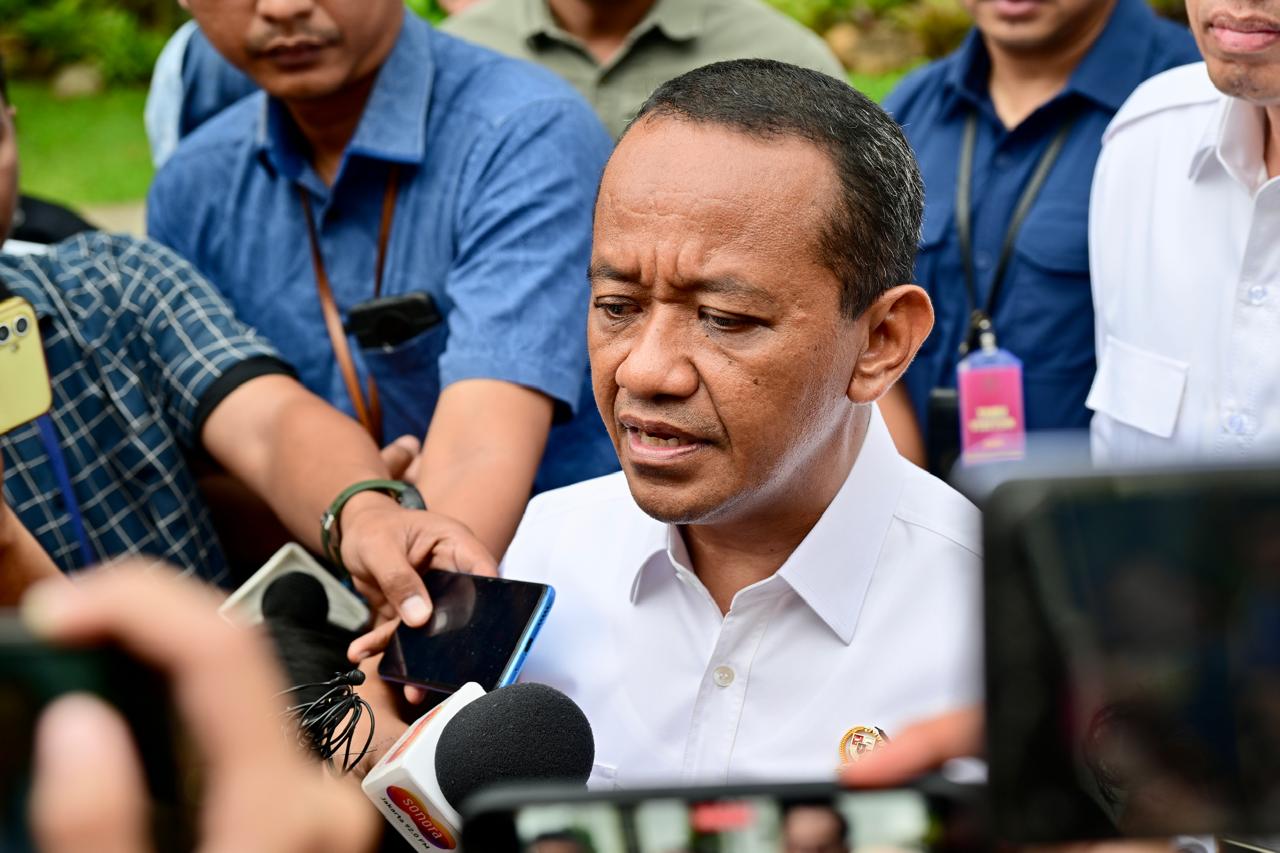
Amid increasing global crises, Indonesian President Joko Widodo has confirmed that the government is committed to keeping subsidized fuel prices accessible for vulnerable groups in society. This statement was made during a government meeting in Jakarta, where Widodo clarified that 80% of the Indonesian population would benefit from this support.
The president noted that the government will allow wealthier individuals to purchase unsubsidized fuel, asserting that those who wish to use more expensive fuel must bear the costs themselves. This move comes at a time when the world is experiencing rising oil prices due to political and economic crises.
Details of the Announcement
During the meeting, Widodo explained that his economic ministers informed him that the government would continue to support subsidized fuel, ensuring its availability for vulnerable groups. He also confirmed that the government is working to secure energy sources amid current tensions in the Middle East and their impact on global energy supplies.
The president pointed out that Indonesia possesses rich natural resources that can be utilized to ensure energy sustainability, including coal and agricultural resources such as palm oil, corn, and cassava, which can be converted into alternative energy sources.
Background & Context
Historically, Indonesia has faced significant challenges in securing energy supplies, especially amid global economic changes. The Indonesian economy heavily relies on raw material exports, making it vulnerable to fluctuations in global prices. In recent years, the government has taken steps to enhance energy independence by exploiting its local resources.
Indonesia is one of the world's largest coal producers, giving it an advantage in converting coal into alternative energy sources. This strategy comes at a critical time as the government seeks to reduce dependence on imported fossil fuels.
Impact & Consequences
The policy of subsidizing fuel is seen as a positive step towards achieving social and economic stability in Indonesia. By ensuring affordable fuel access for vulnerable groups, the government strengthens its capacity to address economic crises. However, the government may face challenges in achieving this goal amid rising global oil prices.
This policy also requires investments in the development of alternative energy sources, which could contribute to creating new job opportunities and improving the local economy. It is essential for the government to balance fuel support with achieving economic sustainability.
Regional Significance
In light of current crises, Indonesia's experience in supporting fuel subsidies could serve as a model for Arab countries facing similar challenges. Arab nations could benefit from Indonesia's strategies in securing energy sources and achieving sustainability.
Furthermore, enhancing cooperation between Arab countries and Indonesia in the energy sector could contribute to achieving common goals in addressing global economic challenges.
Indonesia's commitment to supporting subsidized fuel reflects a strategic vision aimed at achieving social and economic stability. Amid global challenges, hope remains in the government's ability to achieve these objectives.