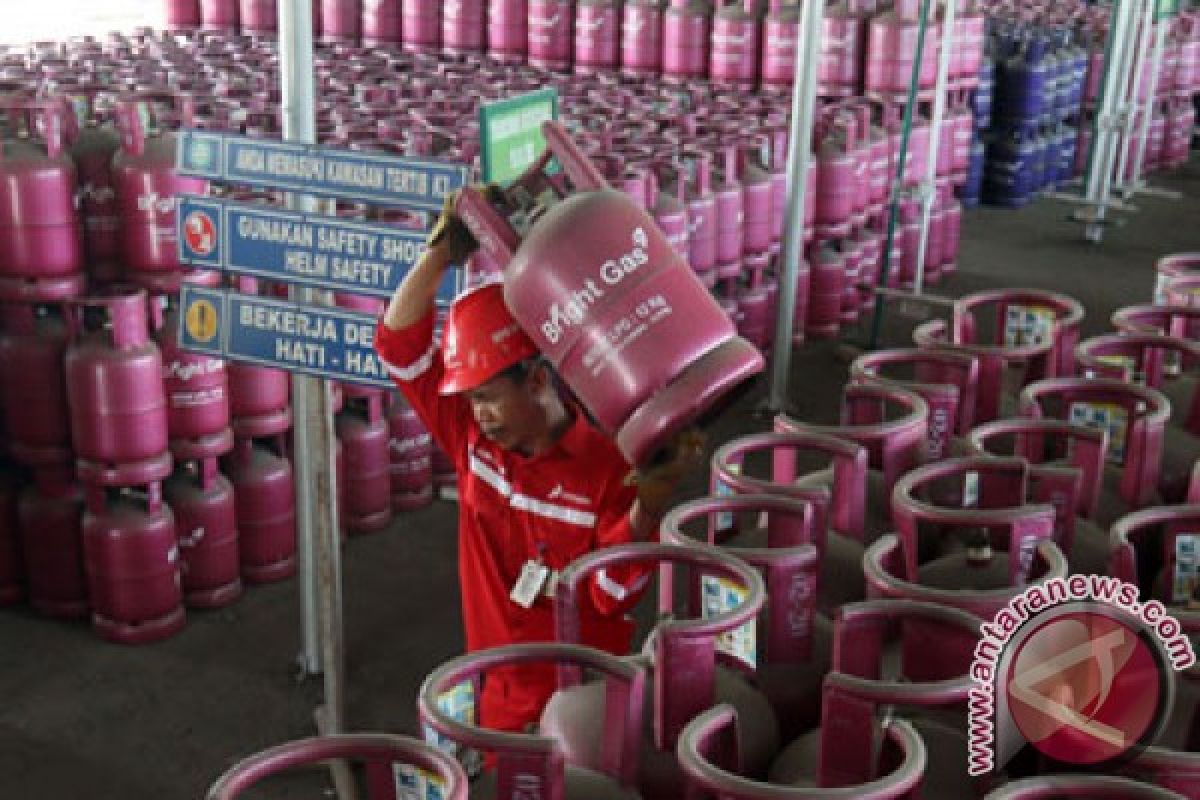
Indonesian Minister of Energy and Mineral Resources Bahllal Lahadalia confirmed that the liquefied petroleum gas (LPG) supplies in Indonesia are secure, with available reserves exceeding 10 days. This announcement was made during a press conference following a meeting with the Indonesian president at the presidential palace in Jakarta, where the minister indicated that the country has overcome the difficulties related to gas supplies since the 4th of this month.
Lahadalia explained that Indonesia relies on gas supplies from several countries, including Australia and the United States, ensuring that supplies are not affected by the situation in the Strait of Hormuz. He noted that approximately 70-75% of gas imports come from the United States, while 20% comes from Middle Eastern countries.
Details of the Announcement
In his remarks, the minister emphasized that Indonesia is working to ensure the stability of LPG supplies, having taken measures to secure supplies from various countries. He clarified that the government is closely monitoring the situation, especially in light of the increasing tensions in the Middle East.
Lahadalia also mentioned plans to adjust fuel prices, including gasoline types RON 92, 95, and 98, as well as diesel. He confirmed that the government is conducting precise calculations to ensure that prices remain affordable for everyone.
Background & Context
Historically, Indonesia has experienced fluctuations in gas supplies, prompting the government to take proactive steps to ensure market stability. The country heavily relies on LPG, which is one of the main energy sources. With rising domestic demand, diversifying supply sources has become essential.
The Middle East, particularly the Strait of Hormuz, is a vital point for global energy supplies, through which a significant percentage of oil and gas shipments pass. Therefore, any tensions in this region can directly affect prices and supplies in global markets.
Impact & Consequences
The statements from the Indonesian Energy Minister underscore the importance of energy supply stability amid changing global conditions. Securing gas supplies from multiple countries reduces risks associated with regional tensions, contributing to local market stability.
Moreover, adjusting fuel prices may impact the Indonesian economy as many citizens rely on these materials in their daily lives. Thus, the government is obligated to monitor prices carefully to ensure they do not negatively affect citizens.
Regional Significance
Indonesia is one of the largest gas consumers in the region, making it an important player in the energy market. The stability of gas supplies in Indonesia can have positive effects on Arab countries, especially those that rely on gas exports.
Furthermore, cooperation between Indonesia and gas-producing countries in the Middle East can enhance economic relations, benefiting all parties involved.
In conclusion, Indonesia remains committed to securing energy supplies for its citizens, focusing on diversifying supply sources and reducing reliance on a single region. The stability of the local market is vital given the current global conditions.