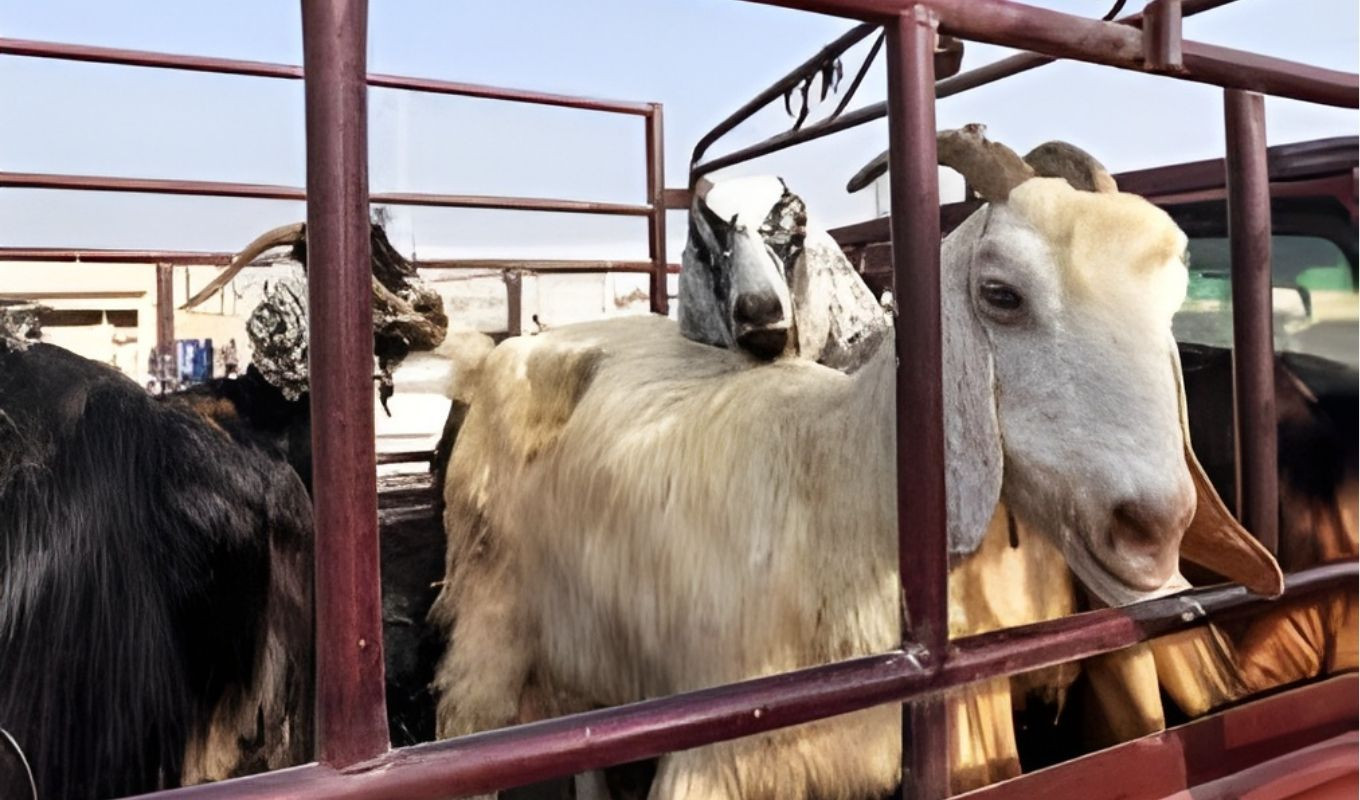
The Indonesian Beef Producers Association (Gapuspindo) has reported that importing cattle is still necessary to fill the gap in national meat supplies, with forecasts predicting an increase in meat demand to 785,000 tons by 2026. The association's executive director, Djoni Liano, noted that local production only meets 14-15% of this demand, making imports a crucial tool to ensure meat availability in the market.
During a press conference held in the Indonesian capital, Jakarta, Djoni explained that the gap between demand and local production justifies the government's policy of determining the size of imports annually. He emphasized that imports are not merely a short-term solution but also contribute to enhancing local production by introducing new breeds of cattle.
Event Details
Djoni predicted that meat demand would reach 785,000 tons by 2026, while the local sector produces only about 120,000 tons. He pointed out that the government relies on cattle imports to bridge the gap, with import volumes calculated based on national needs and local production.
He also clarified that importing live cattle from countries like Brazil could help boost local production in the long term, as these cattle are used as breeding stock to increase the livestock population in the country.
Background & Context
The Indonesian government is striving to enhance local production of animal protein as part of its strategy to achieve food security. The Ministry of Food Coordination has set a plan to increase the number of cattle by 2 million heads by 2029, as a strategic step to boost meat and dairy production.
These efforts coincide with the challenges the country faces in agricultural and livestock production, as the government seeks to balance meeting local market needs with enhancing local production.
Impact & Consequences
Importing cattle is considered an important step to ensure the stability of the meat market in Indonesia, where supply and demand significantly influence prices. Djoni indicated that consumers' purchasing power plays a crucial role in market dynamics, as an increase in purchasing power means market stability.
Additionally, importing live cattle boosts local economic activity, contributing to the creation of new jobs and enhancing the use of local feed, which positively impacts the national economy.
Regional Significance
These developments in Indonesia are particularly significant for Arab countries facing similar challenges in food security. Many Arab nations are seeking to enhance their local production of meat and dairy, making it essential to exchange experiences and collaborate in this field.
Arab countries can benefit from Indonesian experiences in cattle imports and enhancing local production, contributing to achieving food security in the region.