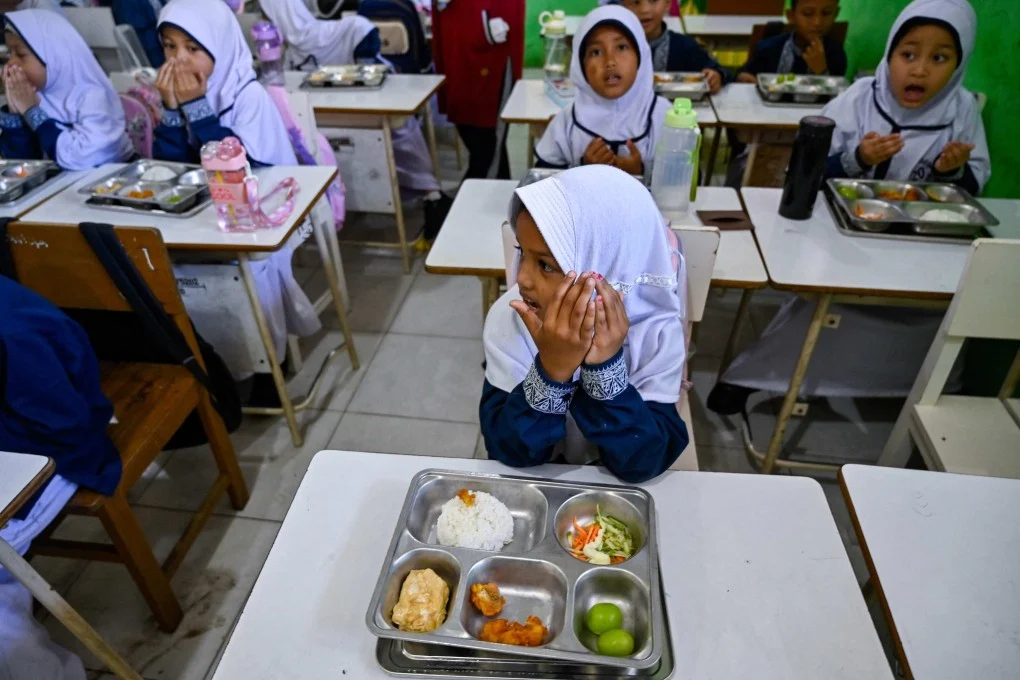
The Indonesian government has announced a reduction in its free meal program for school children, aiming to save approximately 40 trillion rupiah (equivalent to $2.3 billion) amid increasing economic pressures resulting from rising fuel prices. This decision, set to take effect from March 31, will reduce meal distribution from six days a week to five.
This step is the first austerity measure taken by the Indonesian government in the face of escalating economic challenges, exacerbated by global crises, including conflicts in the Middle East. Nanik Sudariati Diang, Deputy Head of the National Nutrition Agency, confirmed that this decision will help the government achieve significant financial savings under current circumstances.
Details of the Event
The free meal program in Indonesia aims to provide food for children in schools and is a crucial part of government efforts to improve nutrition and public health. However, the rising prices of fuel and food due to global crises have forced the government to reassess its financial priorities. This reduction is expected to affect approximately 9.5 million children across the country.
The Indonesian government seeks to balance its budget while meeting the needs of its citizens, considering this step part of a broader plan to address economic challenges. Officials have indicated that these measures may be temporary but are necessary at this time.
Background & Context
Historically, Indonesia has faced several economic crises that have impacted its ability to provide essential services to its citizens. In recent years, the country has been grappling with increasing challenges due to fluctuations in commodity prices, including fuel. Conflicts in the Middle East have added pressure to global markets, directly affecting the Indonesian economy.
In 2022, Indonesia experienced a notable rise in fuel prices, prompting the government to take swift action to address the situation. However, the reduction of the free meal program represents an unprecedented step in the country's history, as this program has been one of the government's key initiatives to support children and low-income families.
Impact & Consequences
The reduction of the free meal program is expected to have negative effects on children's health and nutrition, as many families rely on these meals as a fundamental part of their diet. This decision may also increase poverty and hunger rates in the country, especially in rural areas where families struggle with resource shortages.
This step requires the Indonesian government to consider alternatives to support affected families, such as providing direct financial assistance or enhancing alternative nutrition programs. There is also an urgent need to develop long-term strategies to address future economic crises.
Regional Significance
The economic crises in Indonesia exemplify the challenges faced by many countries in the Arab region. Rising fuel and commodity prices affect all nations and may lead to similar austerity measures in other countries. Additionally, political crises in the Middle East can influence global markets, increasing pressures on emerging economies.
Ultimately, the Indonesian government's decision to cut the free meal program is a difficult step, but it reflects the economic challenges faced by many countries worldwide. Governments must work to find innovative solutions to ensure the health and safety of their citizens amid difficult economic conditions.