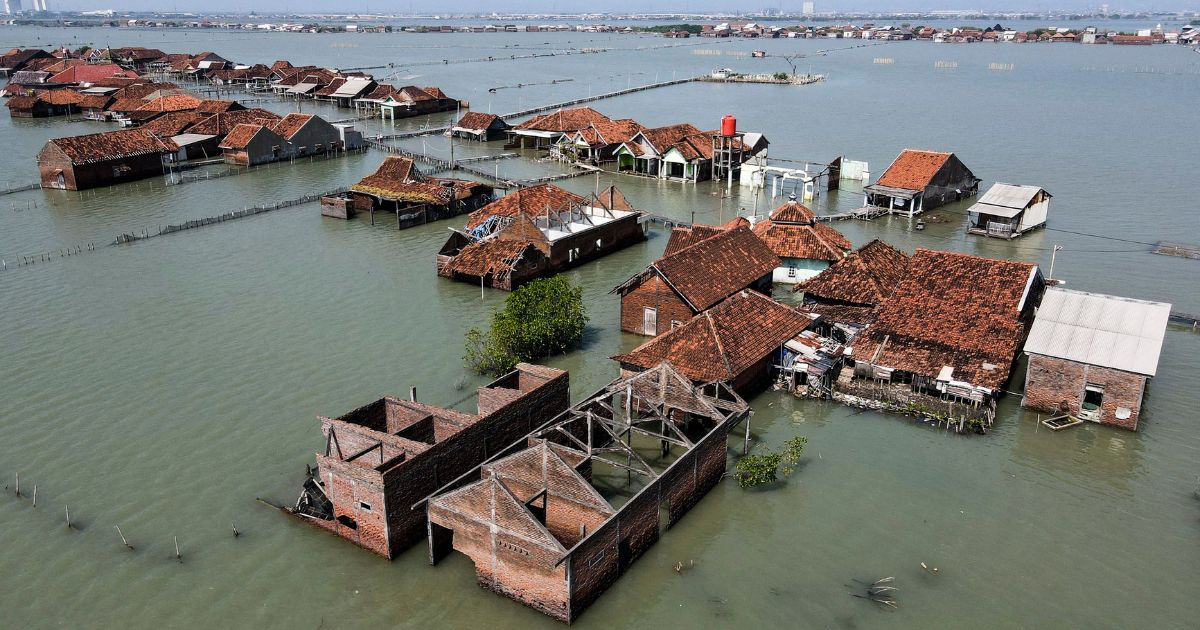
The Indonesian Ministry of Maritime Affairs and Fisheries (KKP) has announced the start of a process to identify export opportunities for key products from each coastal village, as part of its efforts to enhance economic growth based on coastal areas. In a statement, Andi Artanta Dony Akotopura, the Acting Secretary-General of the Ministry, said that the government is working on analyzing data from multiple sites to determine which products can be exported from each village.
Akotopura added that the Ministry is still in the analysis phase, where it is working to identify the main products that can contribute to increasing exports. He emphasized that this step will help estimate the economic value of these products, thereby enhancing the government's ability to better plan for the future of the local economy.
Event Details
Coastal villages in Indonesia are rich in marine resources, making them an ideal starting point for enhancing exports. According to officials' statements, there are significant opportunities to expand the scope of exports from these villages, where every increase in production can have positive effects on the local economy.
Estimates indicate that every 1% increase in production can lead to a 0.54% increase in economic growth. This means that developing these villages can have a multiplier effect on the Indonesian economy, enhancing job opportunities and reducing poverty rates in coastal areas.
Background & Context
Historically, coastal villages in Indonesia have suffered from poverty and unemployment, relying heavily on traditional fishing. However, in recent years, the Indonesian government has begun implementing programs aimed at improving living conditions in these areas. By developing infrastructure, enhancing education and training, the government seeks to transform these villages into productive centers.
In this context, a target has been set to establish around 1,369 new coastal villages by 2026, with approximately 100 sites already completed. These projects aim to improve production quality and increase the competitiveness of Indonesian marine products in global markets.
Impact & Consequences
This move marks a new beginning for the Indonesian economy, as it can contribute to improving the standard of living for local populations. By increasing production and improving product quality, fishermen's income can double, as seen in the Pek area, where fishermen's income rose from 3.5 million rupiah to 7 million rupiah per month.
The government expects this program to have a significant impact on the national economy, potentially leading to increased exports and improved trade relations with other countries. Additionally, improving living conditions in coastal villages can contribute to achieving social and economic stability in the country.
Regional Significance
Indonesia's experience in enhancing the coastal-based economy can serve as a model for Arab countries, which possess many coastal areas rich in marine resources. Arab countries can benefit from this experience by developing similar programs aimed at enhancing local production and improving living standards in coastal areas.
In conclusion, this program represents a significant opportunity for Indonesia to enhance its position in the global market, and it can have a positive impact on the national economy and local communities.