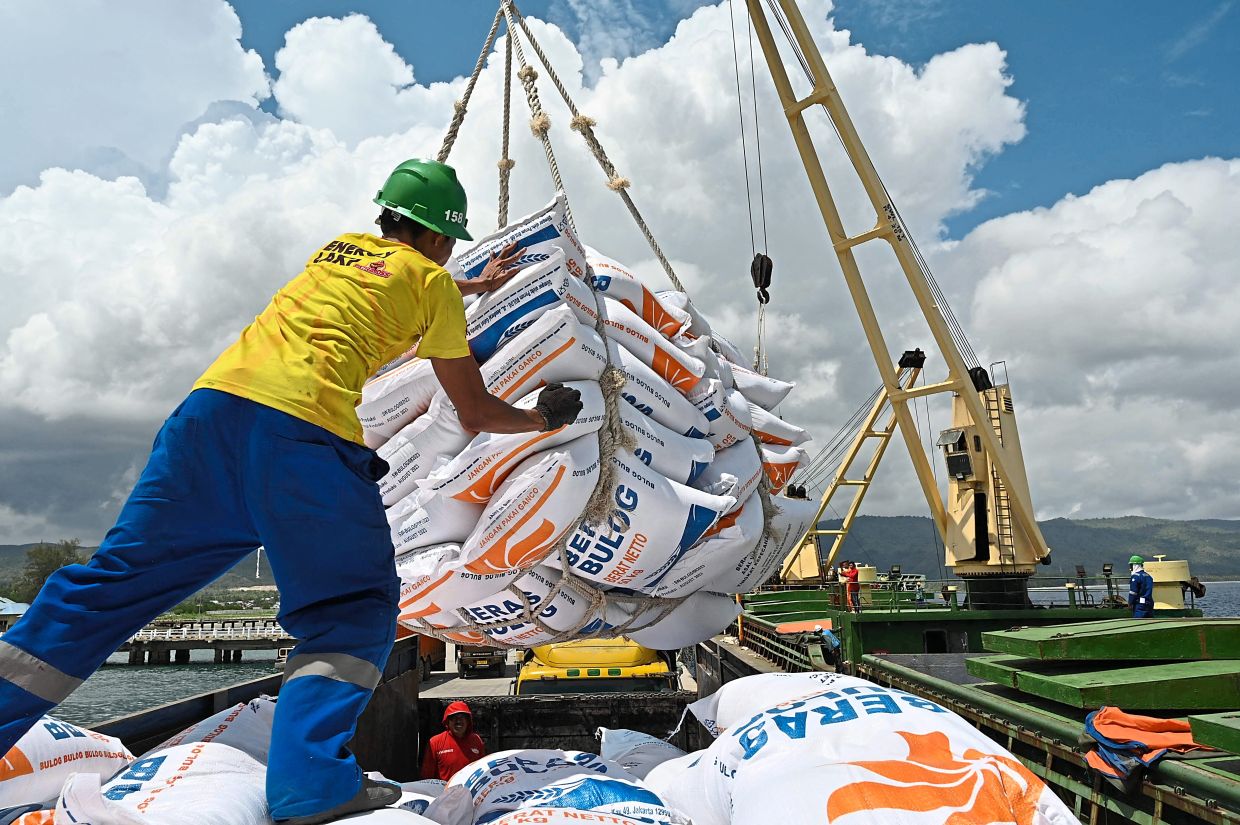
In a bid to bolster food security in Indonesia, Ahmad Rizal Ramdhani, the Director General of Bulog, confirmed that the effects of the extreme El Niño phenomenon, known as "Godzilla El Niño," will not impact national rice absorption. This was stated during a press conference following a meeting with Indonesian Minister of Agriculture, Andi Amran Sulaiman, where effective strategies to ensure the continuity of rice production in the country were discussed.
Ramdhani explained that the company has developed several contingency plans to address any challenges that may arise from climate changes, indicating that preparations include both regular and alternative strategies to ensure effective agricultural production absorption. He emphasized that these plans aim to maintain price stability and provide the necessary food supplies for the local market.
Event Details
During his remarks, Ramdhani noted that national rice stocks have reached approximately 4.3 million tons, with expectations to increase the stock to 4.5 million tons by April 2026. He also mentioned that the amount of rice absorbed between January and March of this year reached 1.3 million tons, marking the highest historical absorption level during this period.
Ramdhani stated that these achievements reflect a significant improvement in the performance of national rice absorption, enhancing the country's ability to face challenges that may arise in the agricultural sector. He added that the government has issued directives to build new storage facilities to expand storage capacity, which will help accommodate the expected increase in stocks.
Background & Context
The El Niño phenomenon is one of the most significant climatic phenomena affecting agriculture in many countries, including Indonesia. This phenomenon leads to substantial changes in weather patterns, which can negatively impact crop production. Historically, Indonesia has experienced adverse effects from El Niño, resulting in decreased agricultural production and rising prices.
In recent years, the Indonesian government has taken serious steps to enhance food security by improving agricultural and storage strategies. Strategic plans have been established to increase rice production and reduce reliance on imports, reflecting the government's commitment to enhancing food independence.
Impact & Consequences
The preparations being made by Bulog to counter the effects of El Niño are a crucial step towards enhancing food security in Indonesia. If these plans succeed, they will contribute to price stability and protect farmers from climate fluctuations. Additionally, these preparations may help boost confidence in the local market.
However, challenges remain in addressing global geopolitical factors that may affect the stability of the local economy, including crises in the Middle East. Therefore, continuous analysis of the global situation will be essential to ensure the stability of food supplies.
Regional Significance
Indonesia is one of the largest rice producers in the world, and any changes in its production could impact global markets, including Arab markets. Many Arab countries rely on rice imports, and any fluctuations in Indonesian production could lead to price increases in the region.
Thus, monitoring developments in Indonesia will be particularly important for Arab countries, as it can affect their food strategies and rice storage. It is crucial for Arab nations to stay informed about these developments to ensure the stability of their food markets.