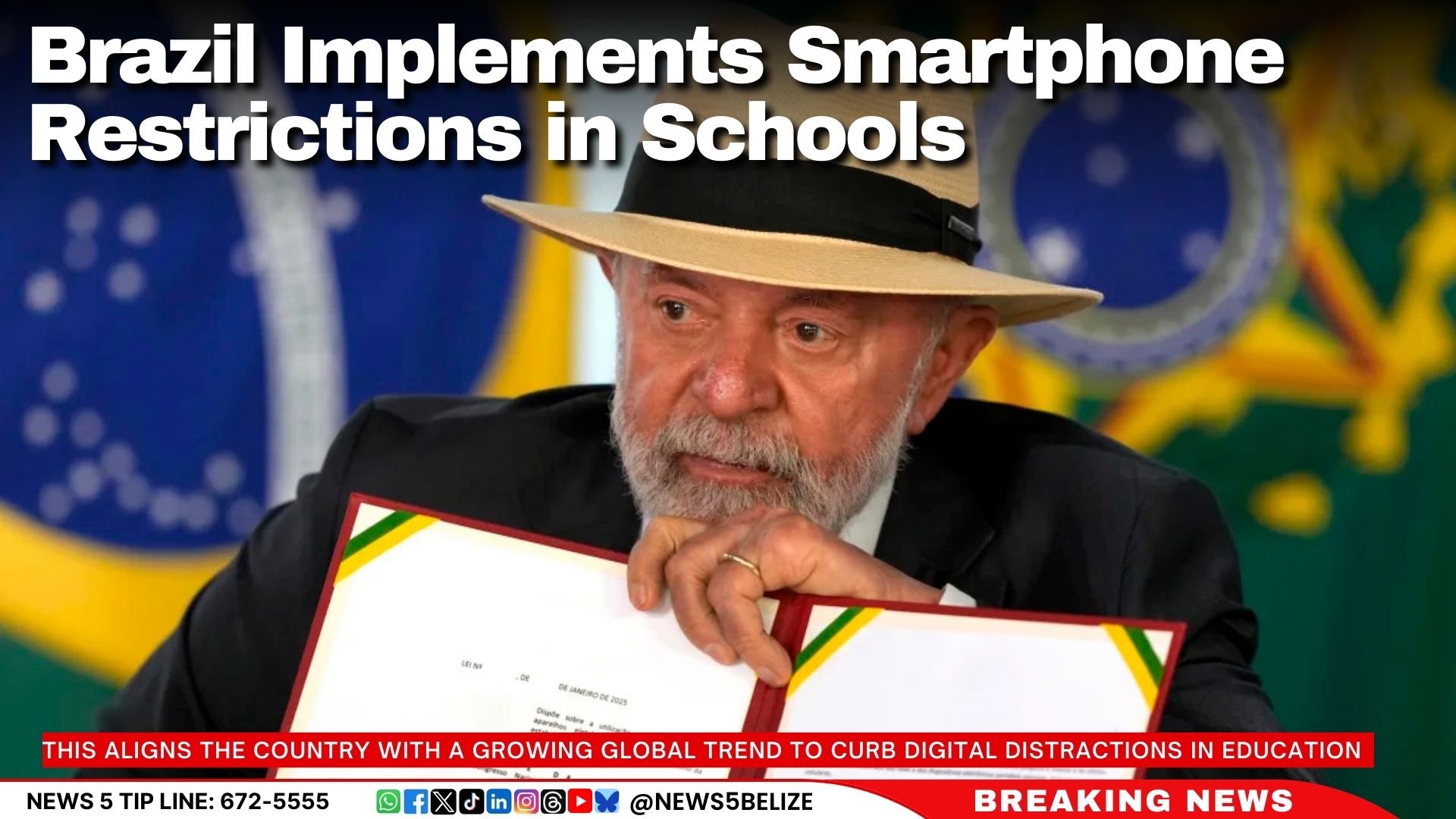
In a move aimed at enhancing the educational environment and protecting children from the potential risks of smart device usage, the Education Department of South Sulawesi has announced its collaboration with local authorities to implement strict restrictions on the use of social media and smart devices in schools. This announcement was made during a press conference in Makassar, where the head of the Education Department, Iqbal Najmuddin, emphasized that these measures specifically target high school students.
Najmuddin explained that these restrictions apply to all high schools (SMA/SMK) in the province, while local authorities are responsible for elementary and middle schools. He mentioned that circulars have been sent to all high schools regarding these restrictions, and coordination has been established with elementary and middle schools to ensure comprehensive enforcement of the laws.
Details of the Initiative
This initiative is part of the implementation of Government Regulation No. 17 of 2025, which aims to regulate the use of electronic systems to protect children. Najmuddin confirmed that many municipalities have already begun to enforce these laws, reflecting the government's commitment to shielding children from the negative impacts of social media usage.
He pointed out that unregulated use of social media can adversely affect learning culture and children's development, necessitating a prompt response from schools and parents. He also urged all high schools to establish clear standards and operational procedures for enforcing these restrictions.
Background & Context
Indonesia is one of the countries that has witnessed a significant increase in social media usage among youth, raising concerns among many experts about its impact on students' mental health and academic performance. Studies have shown that excessive use of smart devices can lead to issues such as decreased concentration, increased rates of anxiety, and depression.
In recent years, many countries have taken similar steps to limit smart device usage in schools, as this phenomenon represents a global challenge that requires cooperation between governments, schools, and parents.
Impact & Consequences
These measures are expected to contribute to improving students' academic performance and enhancing their focus on studies. Additionally, they will help create a safer educational environment where students can concentrate on learning rather than being distracted by social media.
However, the implementation of these restrictions may face challenges, such as resistance from students and parents who may view these restrictions as an infringement on their rights. Therefore, it is crucial to raise community awareness about the importance of these measures and their long-term benefits.
Regional Significance
Arab countries share similar challenges with Indonesia regarding technology use in education. Many Arab nations are also witnessing an increase in social media usage among youth, prompting the need to consider similar strategies to protect students. Indonesia's experience could serve as a model in this context, as Arab countries can benefit from this experience to develop educational policies that safeguard students.
In conclusion, this initiative in Indonesia reflects a serious commitment to protecting children and enhancing education, opening the door for broader discussions on how to address the impact of technology on education worldwide.