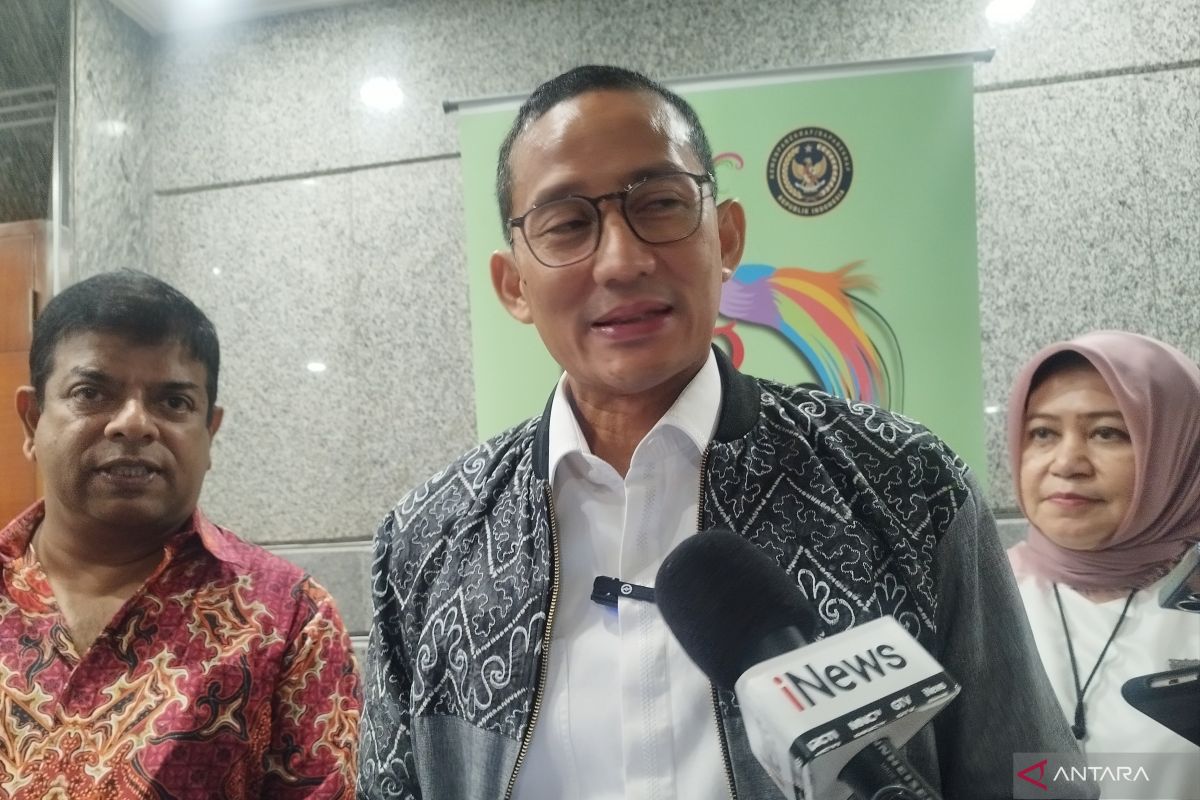
The Indonesian Minister of Creative Economy, Toko Rivki Harsia, announced new guidelines aimed at protecting creators' rights and enhancing the value of creativity in society. This initiative is part of the government's efforts to boost the creative economy, which is considered one of the main drivers of economic growth in Indonesia.
The Indonesian government aims to provide a legal environment that protects creators' rights through these guidelines, which will help encourage innovation and creativity in various fields, including art, design, and technology. The minister emphasized that these guidelines will contribute to enhancing Indonesia's status as a leading destination in the global creative economy.
Details of the New Guidelines
The new guidelines include a set of laws and regulations designed to protect intellectual property rights and provide support for creators through training programs and workshops. Additionally, the guidelines will feature mechanisms to facilitate access to funding for creative projects, thereby enhancing their chances of success and sustainability.
The minister pointed out that the government will work to enhance cooperation between the public and private sectors to support creators and provide the necessary platforms to showcase their work. Furthermore, the government will launch awareness campaigns to educate the public about the importance of protecting creators' rights and their role in enhancing culture and the economy.
Background & Context
The creative economy is a vital sector in Indonesia, significantly contributing to the gross domestic product and providing job opportunities for many individuals. This sector has witnessed remarkable growth in recent years, prompting the government to take serious steps to foster this growth.
Historically, creators in Indonesia have faced numerous challenges regarding the protection of their rights, which negatively impacted their ability to innovate and evolve. Therefore, these guidelines represent a positive step towards improving the current situation and enhancing the status of creators in society.
Impact & Consequences
These guidelines are expected to contribute to enhancing innovation and creativity in Indonesia, leading to increased productivity and economic growth. Additionally, protecting creators' rights will encourage more individuals to engage in creative activities, thereby enriching the cultural and artistic diversity in the country.
Moreover, this initiative may inspire other countries in the region to adopt similar policies to protect creators' rights and promote the creative economy, contributing to enhanced cultural and artistic cooperation among nations.
Regional Significance
Protecting creators' rights and promoting the creative economy are also important issues in the Arab world. Many Arab countries face similar challenges regarding intellectual property rights protection and supporting creators. Indonesia's experience could serve as a model in this context, potentially fostering cooperation among Arab countries in the fields of culture and arts.
In conclusion, the new guidelines announced by the Indonesian government represent an important step towards enhancing the creative economy and protecting creators' rights. This initiative is expected to contribute to achieving sustainable economic growth and providing a conducive environment for innovation and creativity.