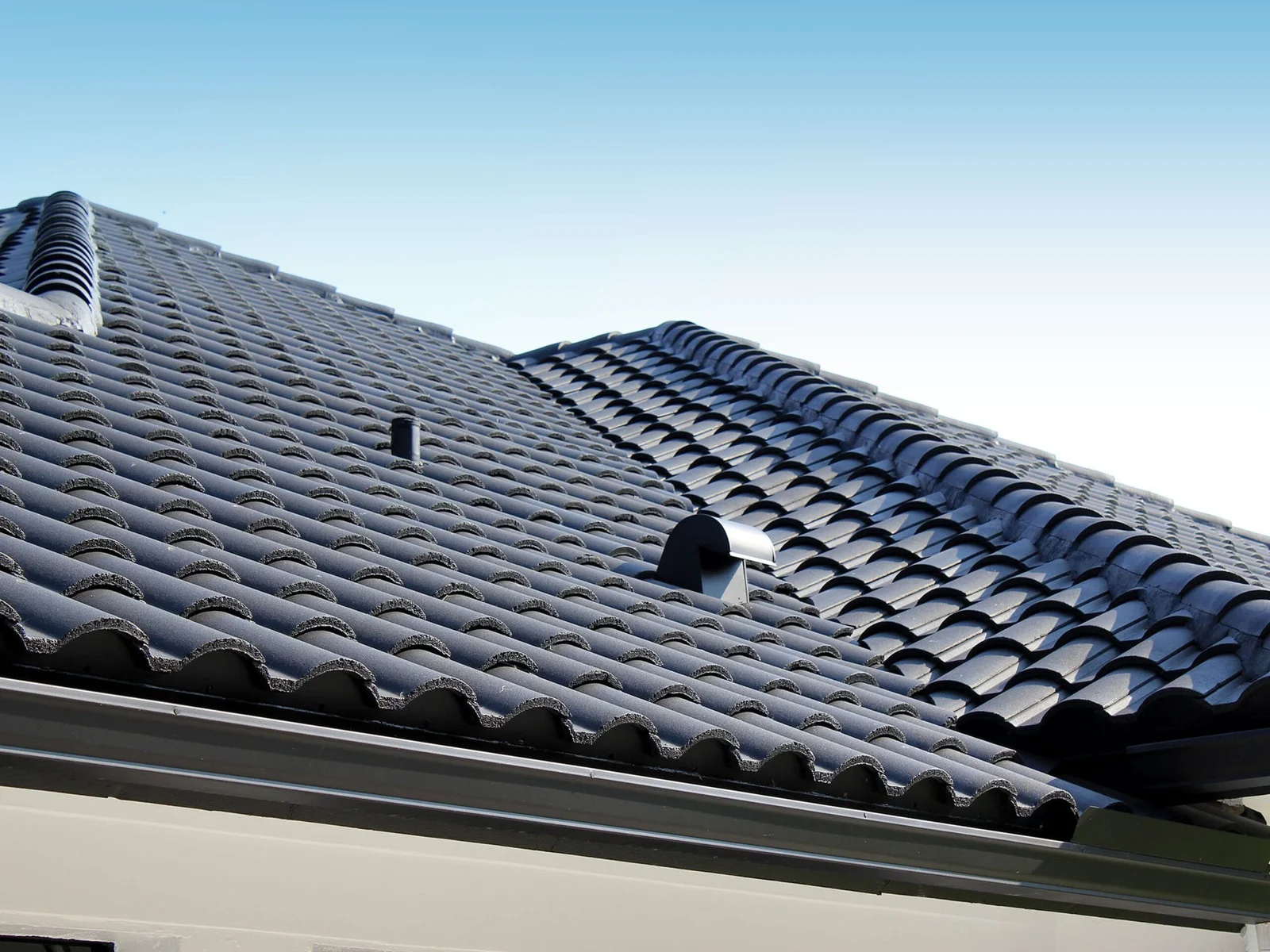
Indonesian President Prabowo Subianto has unveiled an innovative plan that includes the use of tiles made from plastic waste as part of the national housing improvement program. This announcement was made during his visit to a waste processing center in Banyumas, where he indicated that these tiles will be included in a budget of 20 million rupiah per house.
Prabowo explained that the cost of the recycled tiles will range between 4-5 million rupiah from the total budget, which will help reduce renovation costs for low-income families. He emphasized that this innovation is not only economical but also contributes to improving public health by reducing the use of harmful materials such as rusted metal sheets.
Event Details
In his statements, the president noted that the use of rusted metal sheets could lead to health and aesthetic issues, as these materials may cause environmental degradation. He also stressed the importance of enhancing the overall appearance of housing through the use of recycled plastic tiles, contributing to a more attractive and healthier living environment.
This step is part of the Indonesian government's vision to revitalize the country's image as a beautiful and healthy nation. The plastic waste tiles have been tested in several public facilities in Banyumas, reflecting the success of this initiative in practical application.
Background & Context
Historically, Indonesia has faced significant challenges in waste management, being among the world's top producers of plastic waste. With increasing environmental awareness, the government has begun taking serious steps to address this issue through innovative programs such as the