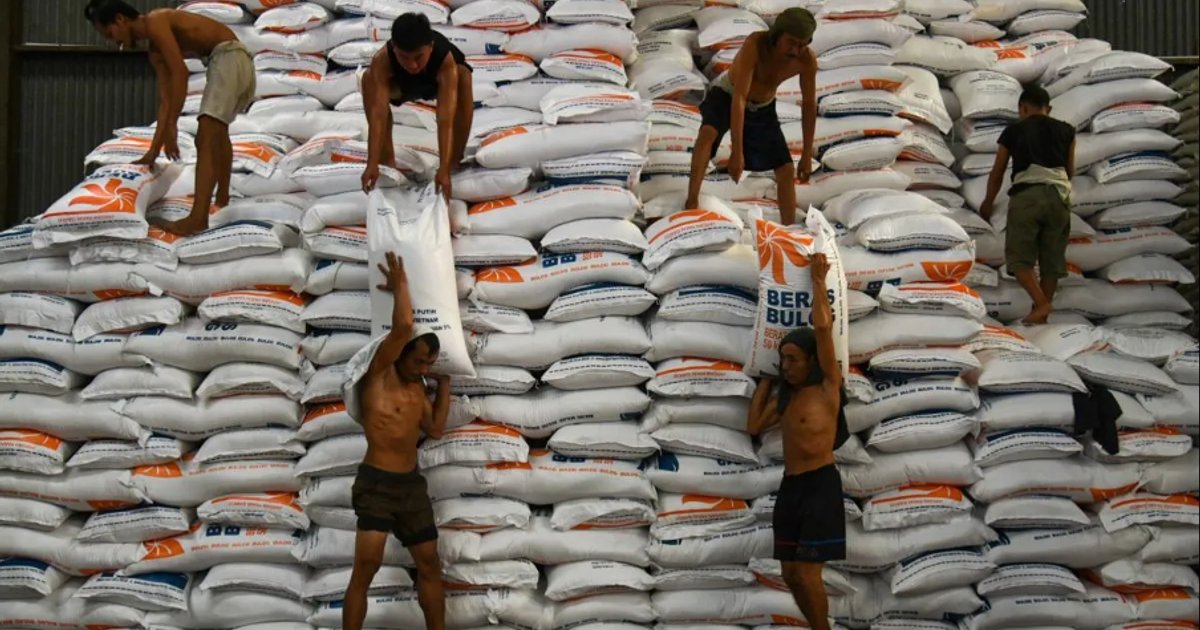
The Indonesian government agency Perum Bulog has announced an investment of approximately 5 trillion rupiah (around 350 million USD) aimed at constructing new warehouses and improving post-harvest agricultural infrastructure. This investment is part of the government's efforts to enhance the logistics system and ensure food stock stability in the country, especially given the global economic challenges.
This move comes at a critical time as Indonesia faces significant food security challenges, with the government striving to improve the country’s capacity to store and distribute food more efficiently. These investments are expected to help reduce agricultural crop losses and enhance the country’s ability to respond to future food crises.
Details of the Initiative
Perum Bulog plans to construct several warehouses across various regions of Indonesia, which will enable better distribution of food products nationwide. The agency will also work on developing the necessary infrastructure to facilitate transportation and distribution operations, thereby enhancing the effectiveness of the national food system.
Reports indicate that these investments will help improve the quality of agricultural products and make them available at reasonable prices for consumers. Additionally, they will enhance farmers' access to markets, contributing to improved incomes and increased agricultural productivity.
Background & Context
Historically, Indonesia has faced significant challenges in food security, heavily relying on agriculture as a primary economic source. With the growing population, it has become essential to improve storage and distribution systems to meet the increasing needs of the population.
In recent years, the Indonesian government has implemented a series of policies and reforms aimed at enhancing food security, including improving agricultural infrastructure and providing support to farmers. This recent step is part of a comprehensive strategy designed to boost the competitiveness of Indonesia's agricultural sector.
Impact & Consequences
This investment is expected to have a positive impact on the Indonesian economy, contributing to the creation of new job opportunities and promoting economic growth. It will also help reduce reliance on food imports, thereby enhancing the country’s food independence.
Moreover, improving the storage and distribution system will contribute to reducing food waste, which is a significant step towards achieving sustainable development. These investments will also assist in addressing challenges related to climate change and its effects on agriculture.
Regional Significance
Indonesia is one of the largest agricultural countries in the world, and its experience in enhancing food security could serve as a model for Arab countries. Many Arab nations face similar challenges in food security, making it essential to exchange experiences and collaborate in this area.
Arab countries can benefit from Indonesia's experiences in improving storage and distribution systems, which contributes to enhancing food security in the region. Additionally, cooperation in agriculture can help achieve sustainable development and strengthen economic stability.