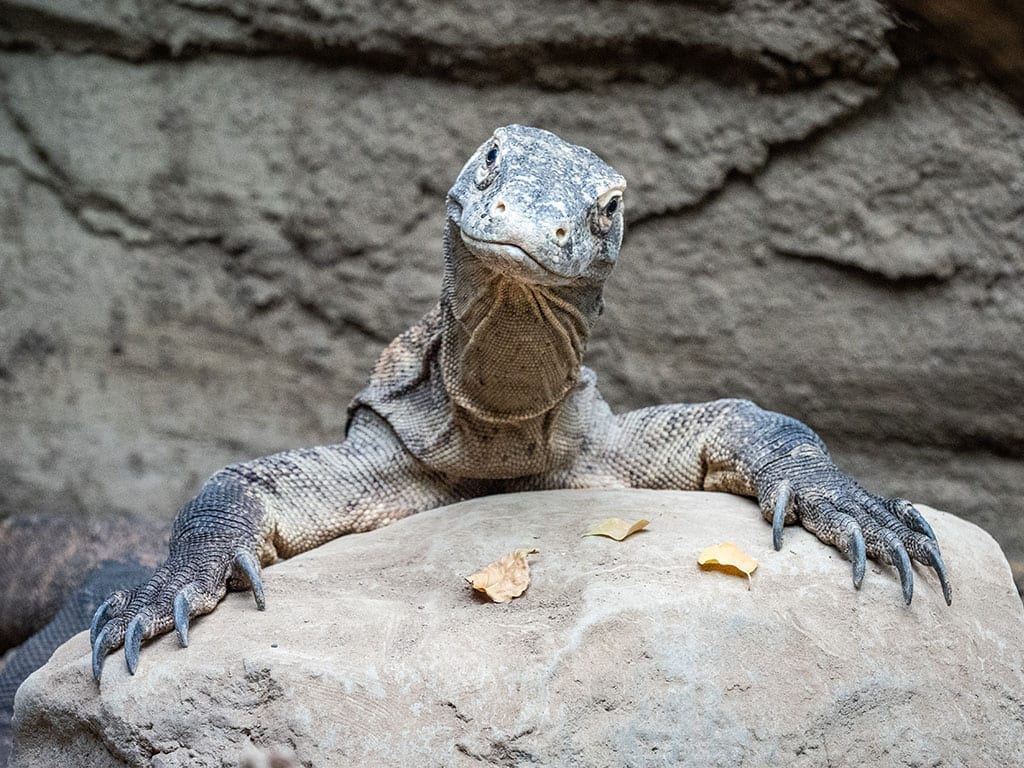
In a move considered part of environmental conservation efforts, Indonesia has announced the loan of a pair of Komodo dragons, one of the most endangered reptiles, to a zoo in Japan. The agreement, signed on Wednesday, aims to strengthen cooperation between the two countries in protecting endangered species.
The five-year agreement includes the exchange of animals between the Surabaya Zoo in Indonesia and the iZoo in Kawazu, where Indonesia will receive a pair of red pandas, a pair of giraffes, four giant tortoises, and two Japanese macaques.
Details of the Agreement
During the signing ceremony, the director of iZoo, Tsuyoshi Shirou, emphasized that this collaboration is not merely an exchange of animals but a bridge connecting Indonesia and Japan. Meanwhile, the Indonesian Ministry of Environment stated that the primary goal of this program is the long-term conservation of endangered species.
However, the animal rights group PETA expressed concerns that any offspring born in Japan would face a life of confinement, noting that true conservation should occur in the natural habitats of these creatures rather than through export for political or promotional purposes.
Background & Context
Komodo dragons, the largest living reptiles in the world, are threatened with extinction due to human activities and climate change that destroy their natural habitats. According to the International Union for Conservation of Nature, the population of Komodo dragons was approximately 3,458 individuals in the last census conducted in 2019.
These reptiles inhabit Komodo National Park, a UNESCO World Heritage site, and the neighboring island of Flores. However, the threats they face include habitat loss due to poaching and climate change, making conservation efforts essential.
Impact & Consequences
This agreement highlights the importance of international cooperation in protecting endangered species. Nevertheless, criticisms from animal rights groups raise questions about the effectiveness of such initiatives, as conservation in natural environments is considered the optimal solution.
Through this collaboration, Indonesia aims to attract more Japanese tourists to Komodo National Park, which could boost the local economy and raise awareness of the importance of environmental conservation.
Regional Significance
As many Arab countries face environmental challenges, this collaboration serves as a model for how to enhance international efforts to protect endangered species. Arab nations can benefit from the experiences of other countries in this field, thereby strengthening their biodiversity conservation efforts.
In conclusion, this step underscores the significance of international cooperation in environmental conservation, despite the challenges and criticisms it may encounter. There remains hope that such initiatives will contribute to the protection of endangered species and ensure their survival for future generations.