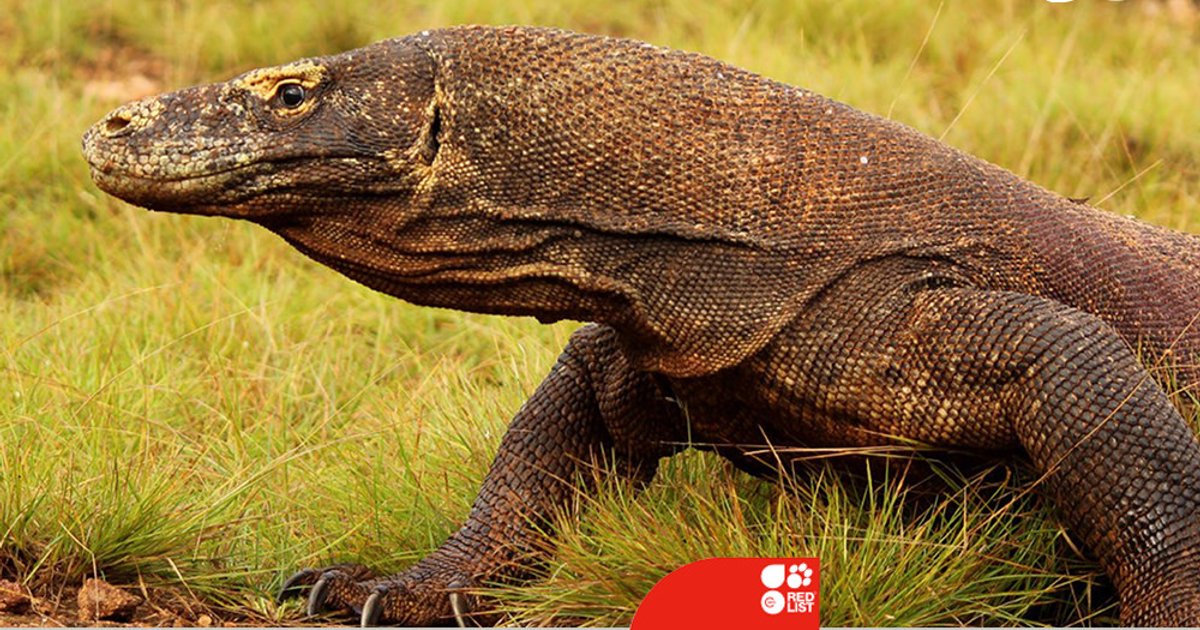
Surabaya Zoo (KBS) in Indonesia has announced a new partnership with Izu Zoo in Shizuoka, Japan, involving the exchange of Komodo dragons, one of the largest reptile species in the world. This initiative is part of ongoing conservation and breeding efforts, with both parties hoping that this initiative will enhance environmental awareness and improve living conditions for these endangered species.
In a statement from Surabaya's mayor, Eri Kahidi, it was confirmed that this partnership is not merely an exchange of animals but a strategic step aimed at achieving mutual benefits for both parties. He expressed gratitude for the efforts made by both sides to realize this collaboration, which has been planned for years.
Details of the Partnership
The collaboration between KBS and Izu Zoo will last for five years, during which the Komodo dragons sent to Japan will be monitored jointly. Should any unfavorable conditions arise, there will be an option to return the Komodo dragons to Indonesia. Kahidi explained that this partnership is a result of KBS's success in breeding Komodo dragons, which has sparked Japanese interest in acquiring these unique reptiles.
Norika Widyatsanti, the operational director of KBS, noted that the Komodo dragons to be sent are the result of successful breeding efforts at the zoo, reflecting KBS's commitment to biodiversity conservation. Comprehensive assessments have been conducted by the central government to ensure the sustainability of conservation efforts and to avoid negatively impacting breeding operations at the zoo.
Background & Context
Komodo dragons are considered endangered species, primarily residing in Indonesia. They are listed as internationally protected species, necessitating intensified efforts for their protection. In recent years, there has been an increase in environmental awareness regarding the importance of conserving these species, leading to greater international cooperation in conservation efforts.
This partnership is part of a memorandum of understanding signed between the Indonesian Ministry of Environment and Forestry and the Shizuoka Prefectural Government in March 2026, aimed at enhancing collaboration in research, education, and breeding concerning Komodo dragons.
Impact & Consequences
This collaboration is expected to contribute to global efforts to protect endangered species, as the Komodo dragon symbolizes unique biodiversity in Indonesia. Additionally, this initiative may encourage other countries to adopt similar models of cooperation for wildlife protection.
This step also presents an opportunity to boost eco-tourism in both countries, potentially attracting visitors interested in wildlife and biodiversity. The collaboration between KBS and Izu Zoo may open new avenues for scientific research in species breeding and conservation.
Regional Significance
This initiative could serve as a model for the Arab region, where many species are facing extinction. International cooperation in wildlife protection could enhance local and global efforts to safeguard biodiversity.
Given the environmental challenges facing the world, such partnerships represent a positive step toward achieving sustainable development goals and raising environmental awareness in Arab communities.