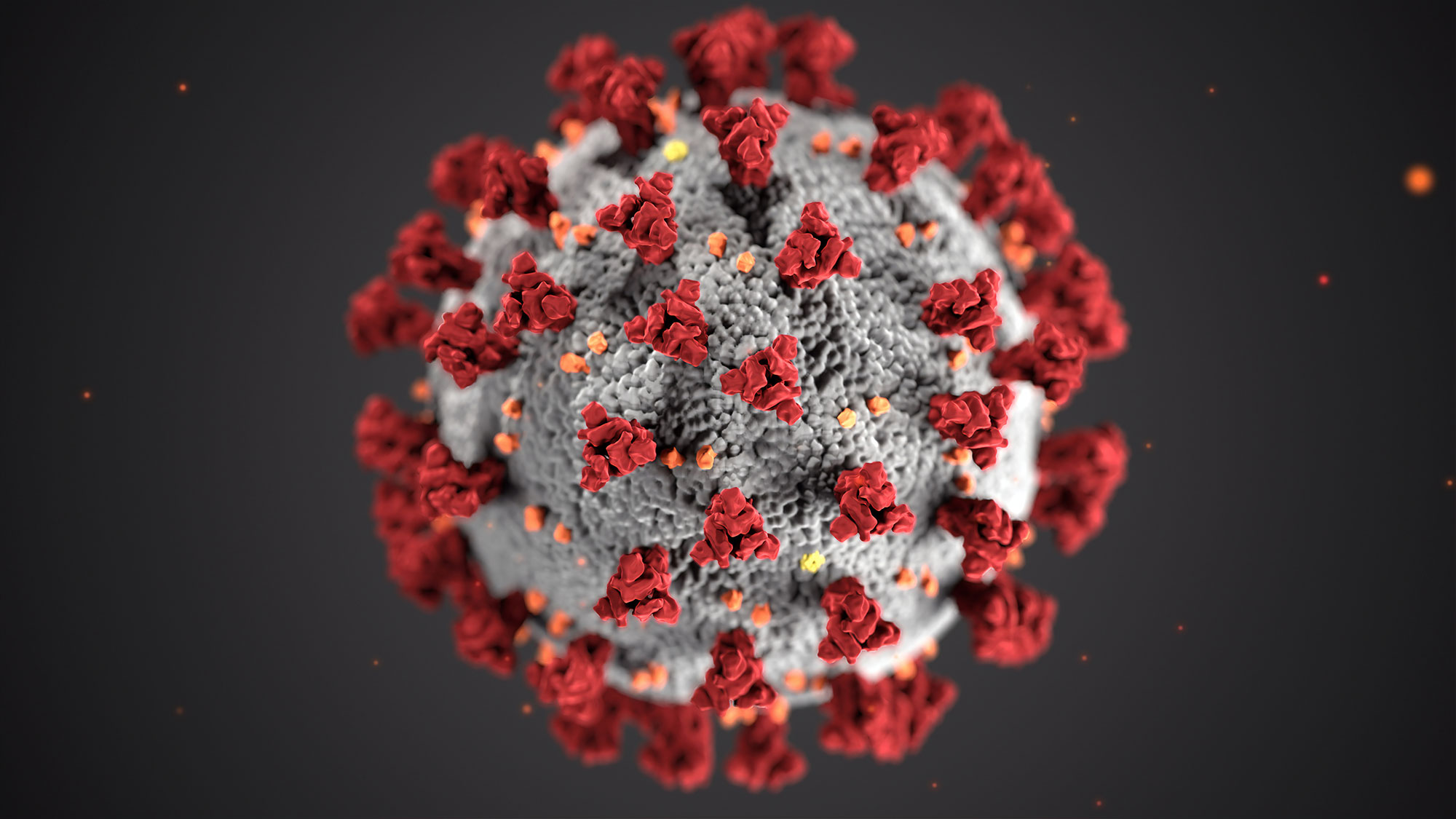
The Indonesian Ministry of Health (Kemenkes) has initiated monitoring of a new variant of the coronavirus known as 'Cicada', which has recently garnered global attention. This announcement comes at a time when the world is still grappling with the repercussions of the COVID-19 pandemic, as countries strive to control mutated viruses.
Despite no reported cases of the 'Cicada' variant in Indonesia so far, the ministry emphasizes the importance of community awareness and necessary preventive measures. Officials have indicated that this variant may possess new characteristics that could affect the efficacy of available vaccines.
Details of the Situation
Concerns are rising regarding the spread of the 'Cicada' variant in various countries, with cases reported in some other nations. The Indonesian Ministry of Health has begun implementing detailed monitoring strategies that include testing and health reporting to track any new developments. Collaboration with global health organizations has also been strengthened to exchange information about this variant.
The measures taken include enhancing awareness campaigns about the importance of vaccination and adherence to health protocols such as wearing masks and practicing social distancing. Experts assert that these measures are essential to reduce the risk of virus transmission.
Background & Context
Since the onset of the COVID-19 pandemic, the world has witnessed the emergence of numerous variants that have influenced the virus's trajectory. Previous variants such as 'Delta' and 'Omicron' have led to increased infection and mortality rates in many countries. In this context, the emergence of the 'Cicada' variant presents a new challenge to global efforts in combating the virus.
Historically, Indonesia has been among the countries most affected by the pandemic, recording high numbers of infections and deaths. However, the country has made significant progress in vaccination campaigns, contributing to a substantial reduction in case numbers. Yet, with the emergence of new variants, the challenge remains.
Impact & Consequences
The spread of the 'Cicada' variant could have severe consequences for public health, especially if it proves to be more transmissible or resistant to vaccines. Should this variant confirm its efficacy in causing new infections, the government may have to reimpose strict health restrictions, impacting the economy and daily life for citizens.
These circumstances necessitate a swift response from health authorities, including enhancing testing and expanding vaccination efforts. The international community must also cooperate to address this new threat, as viruses do not recognize borders.
Regional Significance
The Arab region is part of the global efforts to combat COVID-19 and must be aware of the emergence of the 'Cicada' variant. This variant may affect vaccination plans and health efforts in Arab countries, especially amid the economic and social challenges they face.
With increasing travel and trade among Arab nations, any potential outbreak of this variant could have significant implications for health security in the region. Therefore, it is crucial for Arab countries to adopt effective preventive strategies to confront this threat.
In conclusion, awareness and health precautions remain the key to addressing the new challenges emerging in the global health arena. Everyone must be prepared and collaborate in efforts to combat COVID-19.