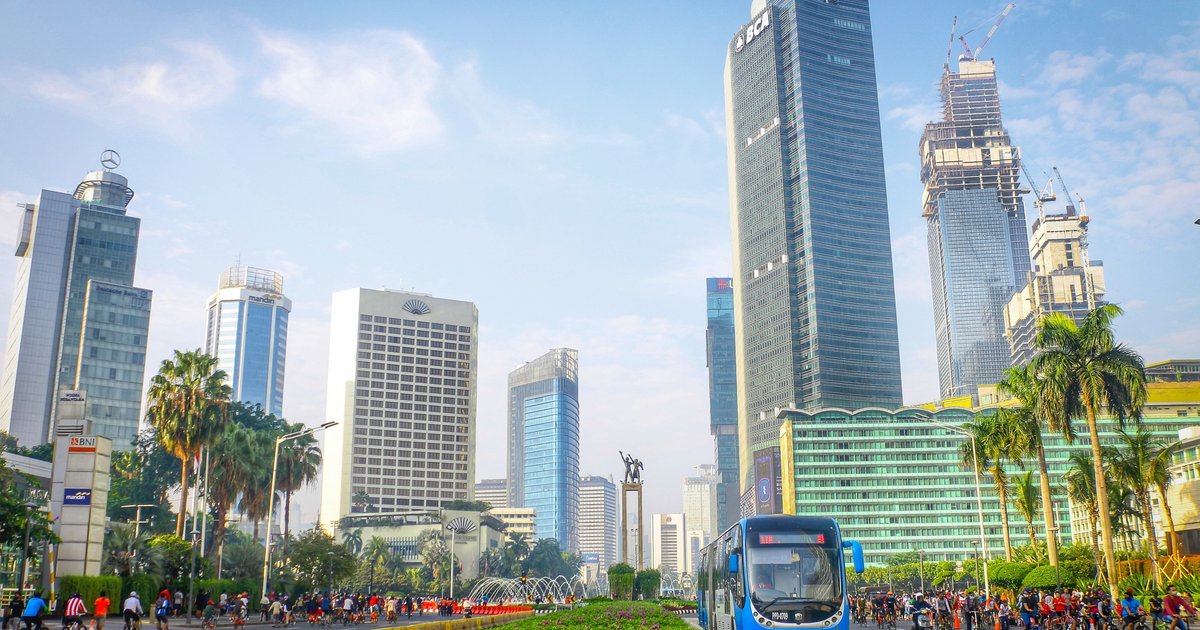
The Indonesian Capital Authority (IKN) has announced that the development of legislative and judicial areas will be among its top priorities in the construction plans for 2026. This announcement comes at a critical time as the Indonesian government seeks to relocate government facilities from the current capital, Jakarta, to the new capital located in East Kalimantan.
In a statement, the head of the IKN, Basuki Hadimuljono, said, "The development of legislative and judicial areas is a priority for this year," emphasizing the importance of this step in achieving the government's vision for relocating the capital. He also added that necessary facilities will be built to support these areas, including government offices and essential infrastructure.
Details of the Development Plans
The new capital development plan includes the establishment of integrated legislative and judicial centers, in addition to improving public facilities and infrastructure. These projects are also expected to include the creation of new economic zones aimed at boosting economic growth in the region.
The authority has confirmed that it is working on providing residential facilities and essential infrastructure needed to accommodate government employees who will be relocated to the new capital. Approximately 4,000 government employees are expected to be gradually moved by 2028, with 2,000 employees already transferred to the new capital, including 1,100 employees from the IKN and 900 employees from various ministries.
Background & Context
These plans are part of an ambitious project to move Indonesia's capital from Jakarta, which suffers from environmental issues and overpopulation, to a new area aimed at improving the quality of life and alleviating pressure on the old capital. The East Kalimantan region was chosen due to its strategic location and rich natural resources.
Historically, Jakarta has been the Indonesian capital since independence, but the environmental and traffic challenges it faces have prompted the government to seek an alternative. This project was announced in 2019, and since then, the government has begun implementing the necessary plans to relocate government facilities.
Impact & Consequences
The relocation of the capital is expected to have significant effects on the Indonesian economy, contributing to the creation of new job opportunities and enhancing growth in the areas surrounding the new capital. Additionally, the development of infrastructure will lead to an improved standard of living for local residents.
However, the project faces significant challenges, including the need for substantial funding and effective project management. There are also concerns that the relocation of the capital could exacerbate economic disparities between different regions in Indonesia.
Regional Significance
Indonesia's experience in relocating its capital serves as a model that Arab countries facing similar challenges, such as overpopulation and environmental issues, could benefit from. Arab nations can draw lessons from this project in designing new cities that meet the needs of their populations and contribute to sustainable development.
In conclusion, the development of the new Indonesian capital represents a strategic step towards improving government administration and boosting economic growth, potentially opening new avenues for cooperation between Indonesia and Arab countries in urban development and sustainability.