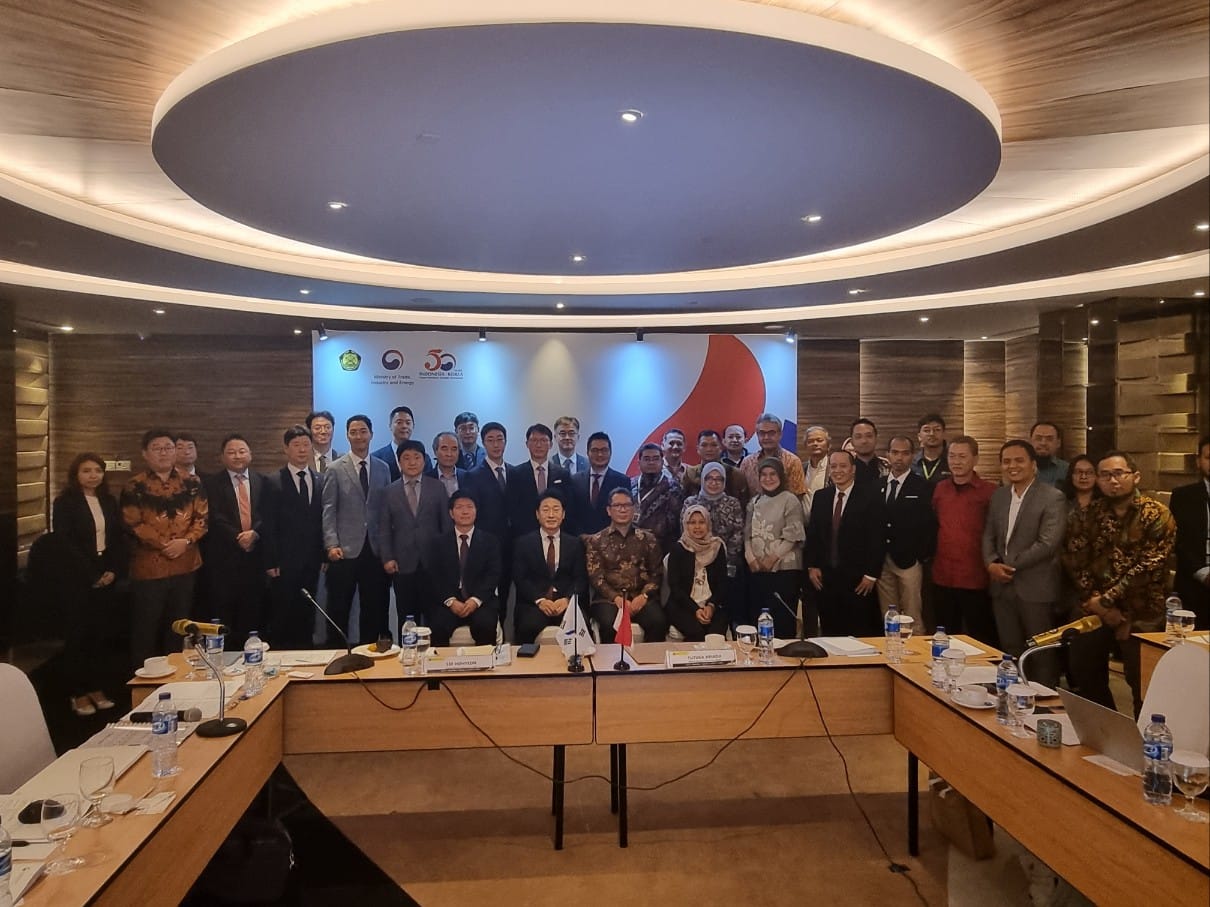
In a move reflecting the strategic direction to enhance regional cooperation, Indonesia and South Korea signed three bilateral agreements in the fields of energy and minerals. The signing ceremony took place at the Blue House in Seoul, attended by Indonesian President Prabowo Subianto and South Korean President Yoon Suk-yeol.
The agreements signed include memoranda of understanding in clean energy, carbon capture technology, and critical minerals. These agreements aim to strengthen cooperation between the two countries in facing global challenges, such as potential energy supply crises.
Event Details
The memoranda of understanding in clean energy and carbon capture were signed with the Korean Ministry of Climate, Energy, and Environment, along with a memorandum of understanding regarding critical minerals with the Ministry of Trade, Industry, and Resources. Indonesian Minister of Energy Bahriel Lahadalia confirmed that these agreements represent an important step in enhancing the joint capabilities between the two countries.
Lahadalia noted that cooperation in the fields of energy and minerals will enhance Indonesia and South Korea's ability to address global challenges, especially in light of geopolitical tensions that may affect energy supplies, such as crises in the Middle East.
Background & Context
These agreements come at a time when the region is witnessing significant transformations in the fields of energy and the environment. With the growing global interest in renewable energy and reducing carbon emissions, countries are seeking to strengthen their partnerships in these areas. Indonesia, which is one of the largest energy producers in Asia, is looking to enhance its investments in clean energy.
South Korea, known for its leadership in technology, aims to strengthen its partnerships with Asian countries in renewable energy and environmental technology. These agreements reflect the strategic directions of both countries in enhancing bilateral and regional cooperation.
Impact & Consequences
These agreements are expected to contribute to increasing investments between Indonesia and South Korea, which will help develop new projects in clean energy and minerals. Additionally, cooperation in carbon capture will open new avenues for research and development in this field, contributing to achieving the environmental goals of both countries.
Moreover, this partnership could enhance Indonesia's ability to tackle climate change challenges, making it a model to be emulated in the region. Cooperation in critical minerals may also contribute to strengthening supply chains between the two countries.
Regional Significance
These agreements serve as a model for regional cooperation that Arab countries can benefit from. Given the challenges facing the region in energy and environmental sectors, strategic partnerships with Asian countries like South Korea could be beneficial in enhancing local capabilities.
Furthermore, cooperation in renewable energy can contribute to achieving sustainable development goals in Arab countries, bolstering their efforts to address climate changes.
In conclusion, enhancing cooperation between Indonesia and South Korea in the fields of energy and minerals represents an important step towards achieving sustainable development. These partnerships can inspire other countries in the region to adopt similar strategies, contributing to stability and development in the area.