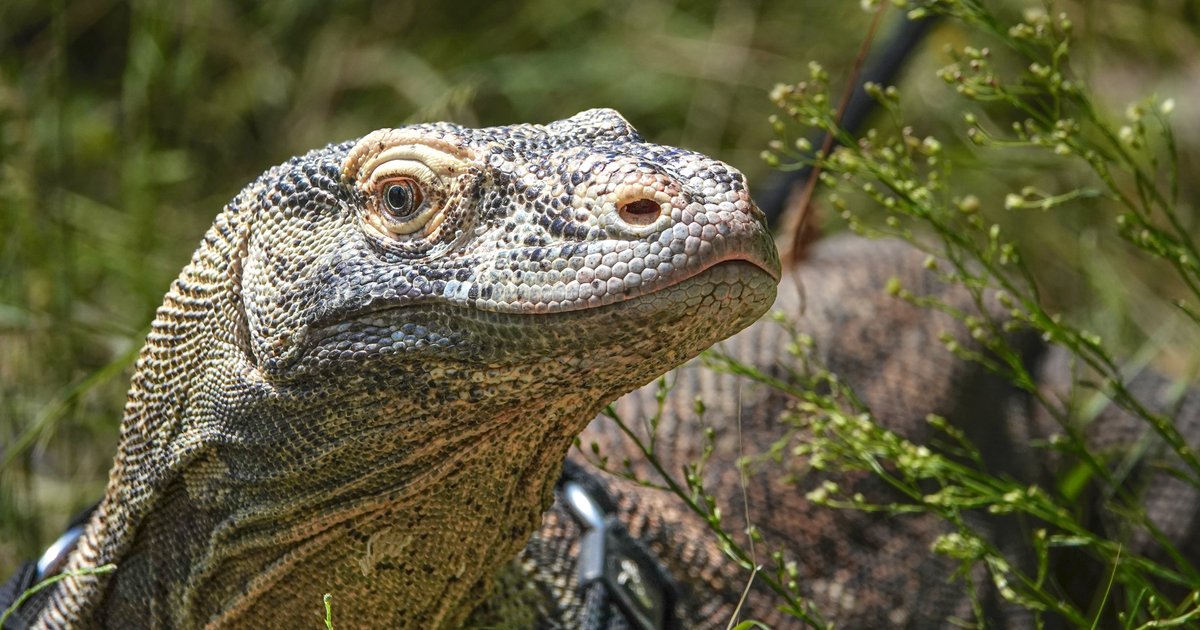
The Indonesian government has signed a memorandum of understanding with Shizuoka Prefecture in Japan to enhance its green diplomacy, aimed at conserving the Komodo dragon, one of the endangered species. The agreement was signed in Shizuoka in the presence of Indonesian Minister of Forestry Raja Juli Antoni and Shizuoka Governor Suzuki Yasutomo, during a diplomatic visit by Indonesian President Prabowo Subianto to Japan.
The memorandum includes cooperation in various fields, including the exchange of expertise in environmental conservation and the breeding of Komodo dragons, which will be transferred to the iZoo in Kawazu, one of Japan's largest zoos specializing in reptiles and amphibians.
Event Details
Indonesian Minister of Forestry emphasized that this agreement represents an important step towards enhancing international cooperation in biodiversity conservation. He noted that Indonesia, being one of the largest tropical countries, possesses a vast wealth of forests and biodiversity, and the Komodo dragon symbolizes one of the national icons of wildlife in the country.
Raja Antoni expressed hope that the presence of Komodo dragons in the Japanese zoo would raise awareness about the importance of biodiversity and attract Japanese visitors to Indonesia to see these unique creatures in their natural habitat.
Background & Context
The Komodo dragon is considered an endangered species, facing multiple threats including habitat loss and illegal hunting. Indonesia has taken numerous steps to protect this species, including the establishment of national parks dedicated to it, such as the Komodo National Park.
This agreement comes at a sensitive time as the world faces increasing environmental challenges due to climate change and biodiversity loss. Through its green diplomacy, Indonesia aims to enhance cooperation with other countries to tackle these challenges.
Impact & Consequences
This agreement is expected to strengthen relations between Indonesia and Japan, potentially opening new avenues for cooperation in other areas such as eco-tourism and green technology. Additionally, collaboration in the conservation of the Komodo dragon may encourage other countries to take similar steps to protect biodiversity.
This initiative also serves as a model for other countries in the region, inspiring them to adopt similar strategies in environmental conservation and biodiversity protection.
Regional Significance
Although this news pertains to Indonesia and Japan, it holds significant implications for Arab countries. Many Arab nations face similar environmental challenges, such as desertification and biodiversity loss. Arab countries could benefit from Indonesia's experience in enhancing green diplomacy and international cooperation in environmental conservation.
In conclusion, the memorandum of understanding between Indonesia and Japan represents a positive step towards strengthening global efforts to protect the environment, highlighting the importance of international cooperation in addressing environmental challenges.