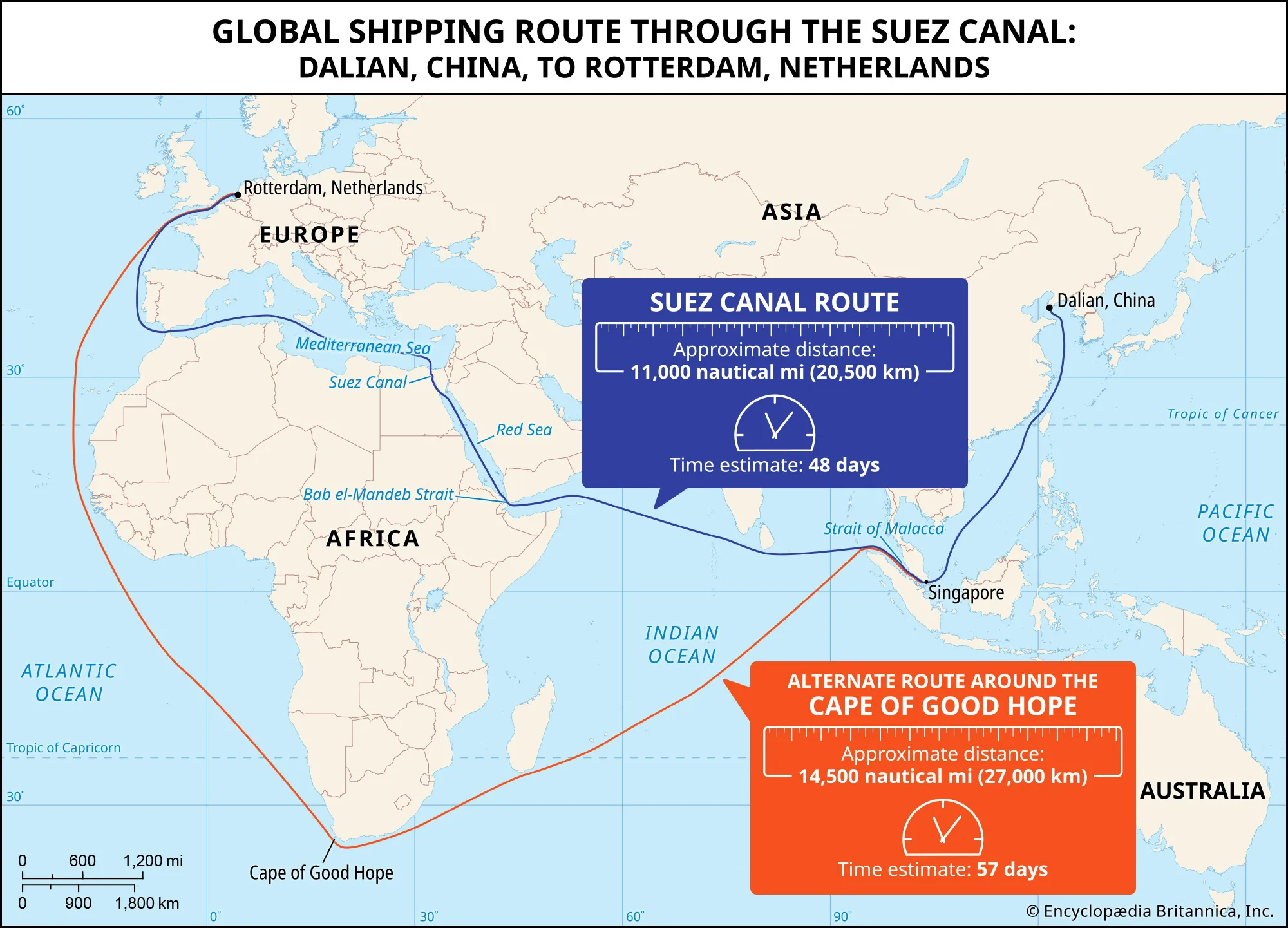
The Director of the Center for Economic and Legal Studies in Indonesia, Bahima Yudhistira, has called on the Indonesian government to take urgent diplomatic actions with Yemen and Iran to confront potential threats to the closure of the Bab el-Mandeb Strait. This strait is considered a vital artery for global trade, through which about 12% of the world's trade flows.
Yudhistira emphasized in press statements that the closure of the strait could significantly impact economic activities in Indonesia, particularly in the areas of export and import. He pointed out that the government should seek to pressure both the Yemeni and Iranian governments to ensure that the movement of commercial ships carrying Indonesian goods is not disrupted.
Event Details
Yudhistira explained that any disruption in the Bab el-Mandeb Strait could lead to an increase in shipping times by 15 days, which would raise logistical shipping costs. He noted that this situation could significantly elevate import and export costs, adversely affecting the Indonesian economy.
He also mentioned that Indonesia exports about 13.4% of its total exports to Europe, making any disruption in this strait a threat to the country's trade performance. In the event of the strait's closure, global oil prices are expected to rise to $120 per barrel, which could increase inflationary pressures on essential goods.
Background & Context
The Bab el-Mandeb Strait is a strategic point connecting the Red Sea to the Gulf of Aden and the Indian Ocean, constituting one of the most important maritime corridors in the world. According to United Nations reports, approximately 10-12% of global trade passes through this strait, making it a potential target for regional conflicts.
In recent years, the region has witnessed a rise in tensions, particularly with the increasing military activities of the Houthi forces backed by Iran, who have launched attacks on targets in Israel, raising concerns about the impact on navigation in the strait.
Impact & Consequences
If the escalation in the region continues, ships may have to take alternative routes around the Cape of Good Hope, which will increase shipping times and double shipping costs. This situation could exacerbate the global energy crisis, especially amid ongoing tensions in the Strait of Hormuz.
Furthermore, the closure of the strait could affect the prices of essential goods, including food and energy, placing additional pressures on the Indonesian economy and leading to higher living costs.
Regional Significance
Arab countries, especially those located along the Red Sea coasts, are directly affected by any changes in maritime traffic through the Bab el-Mandeb Strait. The closure of this strait could lead to a deterioration of economic conditions in these countries, necessitating Arab coordination to address potential challenges.
In conclusion, the current situation requires swift diplomatic action from the Indonesian government, along with local strategies to mitigate the effects of any potential disruptions in trade movement.