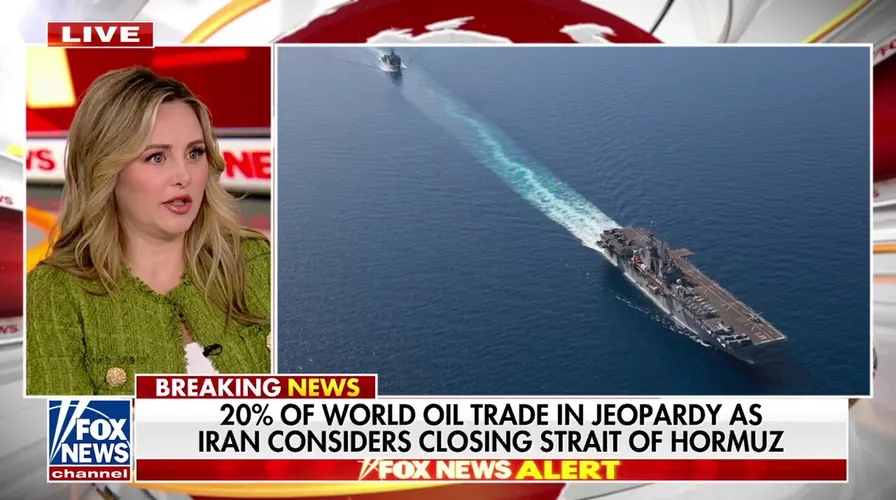
Indonesia has welcomed the ceasefire announced between the United States and Iran, which lasts for two weeks, coming at a sensitive time marked by increasing tensions in the Strait of Hormuz. The Indonesian Foreign Ministry confirmed that this step reflects the desire of the conflicting parties to seek diplomatic solutions.
Indonesian Foreign Ministry spokesperson, Yvonne Mewinkang, stated that Indonesia sees this trend as a positive opportunity that should be seized to enhance peace efforts. She emphasized that dialogue and diplomacy are the only ways to end ongoing conflicts, highlighting Indonesia's important role in alleviating tensions in the Gulf region.
Details of the Event
In a related context, the second spokesperson for the Indonesian Foreign Ministry, Fahd Nabila A. Melashila, reported that the ceasefire will open the way for the resumption of navigation in the Strait of Hormuz, which is one of the most important maritime passages in the world. He expressed hope that this development would lead to a permanent resolution of the conflict, benefiting all parties involved.
Earlier, U.S. President Donald Trump announced the ceasefire, indicating that an agreement had been reached to suspend attacks on Iran for two weeks. He also confirmed that talks between the two sides would begin in Islamabad, Pakistan, suggesting the possibility of progress in negotiations.
Background & Context
Historically, relations between the United States and Iran have been marked by increasing tensions, especially after Washington's withdrawal from the Iranian nuclear agreement in 2018. Since then, the intensity of the conflict has escalated significantly, impacting regional and global security. The Strait of Hormuz, through which approximately 20% of the world's oil flows, has become a battleground between the two sides, raising concerns about the stability of energy markets.
This step comes at a critical time for the world, as the global economy suffers from the repercussions of the COVID-19 pandemic, making the need for regional stability more urgent. Indonesia, as an influential country in Southeast Asia, seeks to enhance its role as a mediator in regional conflicts.
Impact & Consequences
These developments carry significant implications for regional and international security. The resumption of navigation in the Strait of Hormuz could contribute to stabilizing oil prices, benefiting the global economy. Moreover, the success of negotiations between the United States and Iran may pave the way for broader dialogue involving other countries in the region, enhancing security and stability.
On the other hand, continuous efforts must be made to ensure that conflicts do not recur in the future. Ongoing dialogue between the conflicting parties is a crucial step towards achieving sustainable peace.
Regional Significance
Considering the impact of these developments on the Arab region, the stability of the Strait of Hormuz is vital for Arab countries that rely on oil exports. Any escalation in tensions could negatively affect the Arab economy and increase pressure on governments.
Furthermore, the success of negotiations could encourage other countries in the region to adopt a diplomatic approach to resolving conflicts, thereby enhancing the chances of achieving peace in other areas such as Yemen and Syria.
The ceasefire between the United States and Iran represents an important step towards achieving peace and reflects the significance of dialogue as a means to resolve conflicts. The international community must support these efforts to ensure the stability of the region and the world.