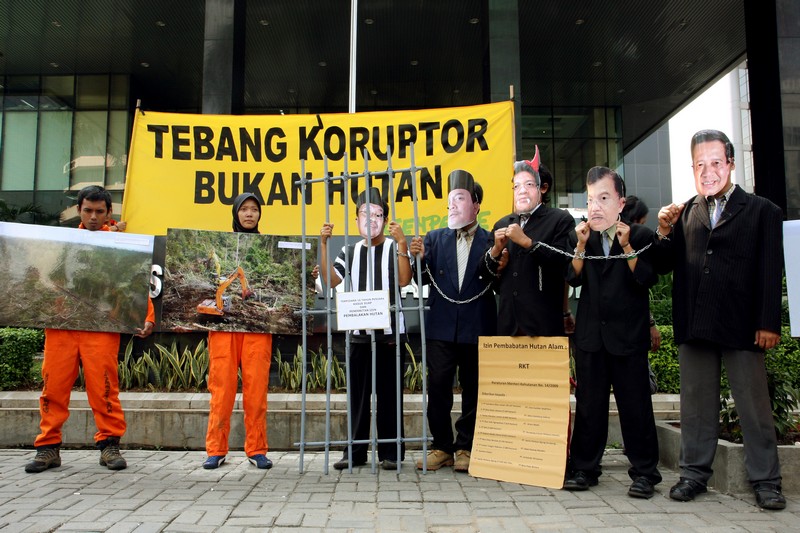
The Indonesian Attorney General's Office (Kejagung) has announced the arrest of an official from a mining company known as PT AKT, on charges of corruption and managing illegal mining operations. These activities have continued from 2017 to 2025, despite the company losing its license to operate.
According to statements from the Director of Investigations at the Attorney General's Office, Sariif Sulayman Nahdi, the company continued its operations despite their illegality, using false documents in mining and sales processes, leading to substantial losses for the national economy.
Details of the Incident
The detained official, referred to by the code ST, was identified as part of extensive investigations that included inspections in several areas, including West Java, South Kalimantan, DK Jakarta, and Central Kalimantan. Sariif confirmed that investigations are still ongoing, with inspections continuing in the mentioned regions.
Investigations revealed that ST, through PT AKT, collaborated with government officials to conduct illegal mining activities. This decision was made after sufficient evidence was gathered through witness interrogations and inspections.
Background & Context
Historically, Indonesia has witnessed numerous corruption cases linked to the mining sector, which is considered one of the main sources of national revenue. However, corruption and mismanagement in this sector have led to environmental degradation and increased poverty in local communities.
In 2017, the license of PT AKT was revoked, yet the company continued to operate illegally, reflecting weak government oversight in this sector. These illegal activities have exacerbated economic crises in the country.
Impact & Consequences
This case is one of the most prominent corruption cases in Indonesia and may have significant repercussions for the current government. As investigations continue, more officials involved in these activities may be uncovered, potentially leading to a loss of public trust in the government.
Moreover, this case could affect foreign investments in the mining sector, as investors may hesitate to enter a market perceived as fraught with legal risks. Therefore, the government needs to enhance transparency and oversight in this sector to ensure its sustainability.
Regional Significance
Corruption cases in the mining sector are common challenges faced by many countries, including Arab nations. Some Arab countries, such as Iraq and Libya, are experiencing similar corruption issues in their oil and gas sectors.
Enhancing transparency and combating corruption in these sectors can contribute to improving economic conditions in Arab countries and bolster sustainable development efforts.