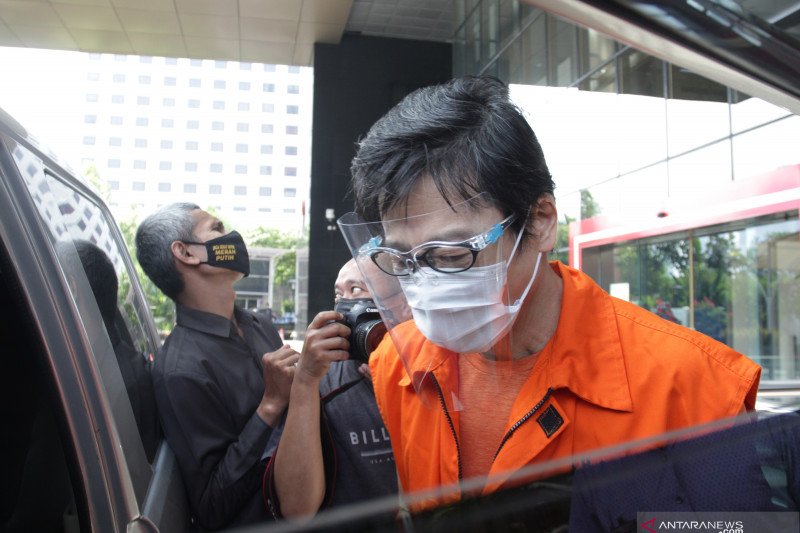
The Indonesian public prosecutor's office has charged Samin Tan, the CEO of PT AKT, with corruption in a case involving illegal management of mining operations. Parita Simanjuntak, spokesperson for the team responsible for regulating forest areas, stated that this decision serves as a warning to other companies about the necessity of complying with existing laws and regulations.
This announcement was made during a press conference held at the prosecutor's office in Jakarta, where Simanjuntak emphasized that companies summoned by the team must fulfill their obligations to the state as stipulated by law. He noted that any illegal actions would be met with strict measures by the state to ensure compliance with the laws.
Details of the Case
The charges against Samin Tan are part of the public prosecutor's investigations into allegations of corruption related to the management of PT AKT, which operated in the coal mining sector. The company's license was revoked in 2017, yet it continued to operate illegally until 2025. Sariif Sulaiman Nahdi, director of investigations at the prosecutor's office, clarified that the company engaged in illegal mining and sales during this period.
Simanjuntak also mentioned that the team responsible for regulating forest areas managed to regain control over the forests previously managed by PT AKT in January 2026, reflecting the government's ongoing efforts to combat corruption and protect the environment.
Background & Context
Indonesia is one of the largest coal-producing countries in the world and has witnessed numerous corruption scandals in the mining sector in recent years. The roots of these issues stem from weak government oversight and rampant corruption in some institutions. These problems have led to environmental degradation and increased tensions between local communities and companies.
The Indonesian government aims to strengthen laws and regulations related to natural resource management, and this case is part of its efforts to improve transparency and accountability in this sector. The charges against Samin Tan could have significant repercussions for other companies operating in the same field.
Impact & Consequences
The charges against Samin Tan represent an important step in the fight against corruption in Indonesia and may encourage stricter actions against companies that violate laws. This is expected to enhance trust in the legal system and increase compliance with laws by companies.
Furthermore, this case may open the door for further investigations into other corruption cases in the mining sector, potentially contributing to an improved environmental situation in the country. Strengthening transparency and accountability in this sector will positively impact local communities suffering from the effects of illegal mining.
Regional Significance
The corruption case in Indonesia exemplifies the challenges faced by many countries in the Arab region as well. Some Arab nations experience similar issues related to corruption and mismanagement of natural resources. Enhancing transparency and accountability in resource management could contribute to achieving sustainable development in the region.
In conclusion, this event underscores the importance of combating corruption across all sectors and reflects the need to strengthen laws and regulations to ensure the protection of the environment and the rights of local communities.