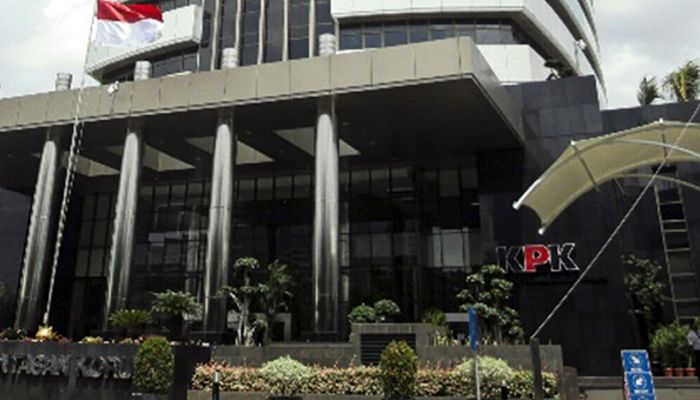
The Indonesian Corruption Eradication Commission (KPK) has emphasized the necessity for government officials to submit their wealth reports for 2025 by March 31, 2026. This reminder was conveyed by the commission's spokesperson, Budi Prasetyo, during a press conference in Jakarta, where he highlighted the importance of accurately and correctly submitting these reports.
Prasetyo explained that the reporting process is self-reported, requiring each government official to possess self-awareness and transparency in reporting their wealth. He also urged leaders of ministries and government agencies to monitor their employees' compliance with submitting these reports.
Details of the Reporting Process
As of March 26, 2026, data indicated that approximately 87.83% of government officials had submitted their reports, which equates to around 337,340 out of 431,882 officials. The figures revealed that the judicial sector was the most compliant, with a compliance rate of 99.66%, followed by the executive government at 89.06%, while the compliance rate in state-owned or local enterprises was 83.96%.
However, the compliance rate in the legislative sector remains low, not exceeding 55.14%, which necessitates increased efforts to encourage lawmakers to submit their reports. Prasetyo stressed the importance of legislative bodies playing a role in enhancing transparency by providing accurate reports.
Background & Context
The Corruption Eradication Commission (KPK) was established in Indonesia in 2002 as part of the government's efforts to combat corruption and promote transparency in the public sector. Since then, the KPK has become a symbol of anti-corruption in the country, investigating numerous high-profile cases involving government officials and businessmen.
Wealth reports are a fundamental part of the KPK's strategy to monitor corruption, as they help to uncover any potential conflicts of interest or unjustified wealth. The self-reporting system has been adopted as a means to enhance transparency, requiring officials to provide accurate information about their assets.
Impact & Consequences
Compliance with wealth reporting is a significant step toward enhancing transparency and accountability in the Indonesian government. The higher the compliance rate, the greater the public trust in government institutions, contributing to an improved image of the country both locally and internationally.
However, the low compliance rate in the legislative sector raises concerns, as it could lead to a loss of trust in lawmakers' ability to exercise oversight and accountability. Therefore, the KPK and government bodies must work together to foster a culture of transparency and accountability among all officials.
Regional Significance
The issue of combating corruption and promoting transparency is also a vital concern facing many Arab countries. With increasing calls for political and economic reforms, the need to enhance transparency and accountability in Arab governments becomes evident.
Arab nations can benefit from Indonesia's experience in promoting transparency by implementing similar wealth reporting systems, which would help improve public trust in government institutions and bolster anti-corruption efforts.