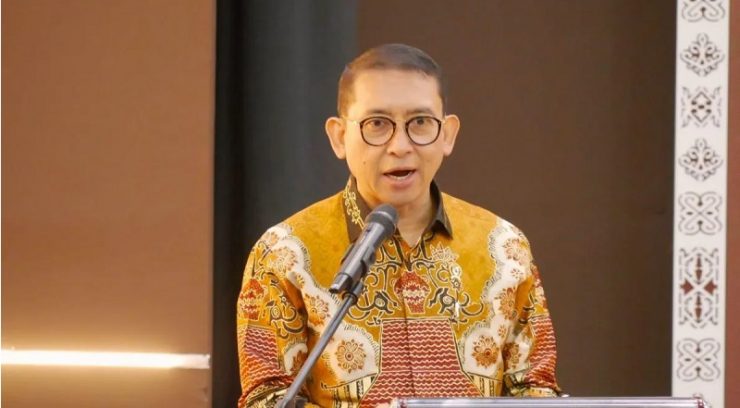
Indonesian Culture Minister Fadly Zon emphasized the importance of implementing cultural programs that provide real benefits to the community during the inauguration of 11 new officials in the Ministry of Culture. Zon stressed the need to reduce unnecessary procedures and enhance efficiency in operations, which contributes to making quick and effective decisions.
Zon pointed out the importance of building strong partnerships with non-governmental organizations, asserting that these partnerships are key to expanding support for cultural enhancement programs. He also called for the need to strengthen coordination among various stakeholders involved in culture to achieve common goals.
Event Details
During the ceremony, several new officials were inaugurated into significant positions within the ministry, including Yaik Sri Budi Rahayu as the Director of Public Relations and Information, and Andi Samsu Riegel as the Director of Data and Information Technology Center. Imad Dharma Sutiga was also appointed as the Director of Cultural Value Empowerment and Intellectual Property Facilitation.
In this context, Zon reaffirmed the importance of strengthening four main pillars of cultural policy, which are: integrating educational values, cultural economy, using culture as a diplomatic tool, and the role of culture in promoting national unity. He clarified that all these efforts must be transparent and accountable.
Background & Context
Culture is considered an essential part of national identity in Indonesia, which boasts immense cultural diversity. For years, the Indonesian government has sought to promote culture as a means to achieve sustainable development. Strategies have been put in place to enhance the arts, literature, and cultural heritage, reflecting the government's commitment to strengthening cultural identity.
Historically, culture has played a pivotal role in shaping Indonesian society, where arts, music, and literature have been integral to daily life. With contemporary challenges, it has become necessary to reassess cultural policies to ensure their sustainability and positive impact on society.
Impact & Consequences
The steps taken by the Culture Minister are seen as an attempt to enhance effectiveness and efficiency in cultural programs, which may lead to improved cultural awareness among citizens. Additionally, strengthening partnerships with the private sector and civil society could contribute to increasing the resources available to support the arts and culture.
Amid the economic and social challenges facing Indonesia, focusing on culture as a means to promote economic development can have positive effects on living standards. These policies are expected to enhance cultural tourism, benefiting the local economy.
Regional Significance
Indonesia and Arab countries share many cultural and historical values, making the enhancement of culture in Indonesia particularly significant for the region. Indonesian experiences in promoting culture can serve as an inspiration for Arab countries, which also seek to enhance their cultural identity in the face of globalization.
Furthermore, cultural cooperation between Indonesia and Arab countries can contribute to fostering mutual understanding and strengthening bilateral relations, benefiting both sides.