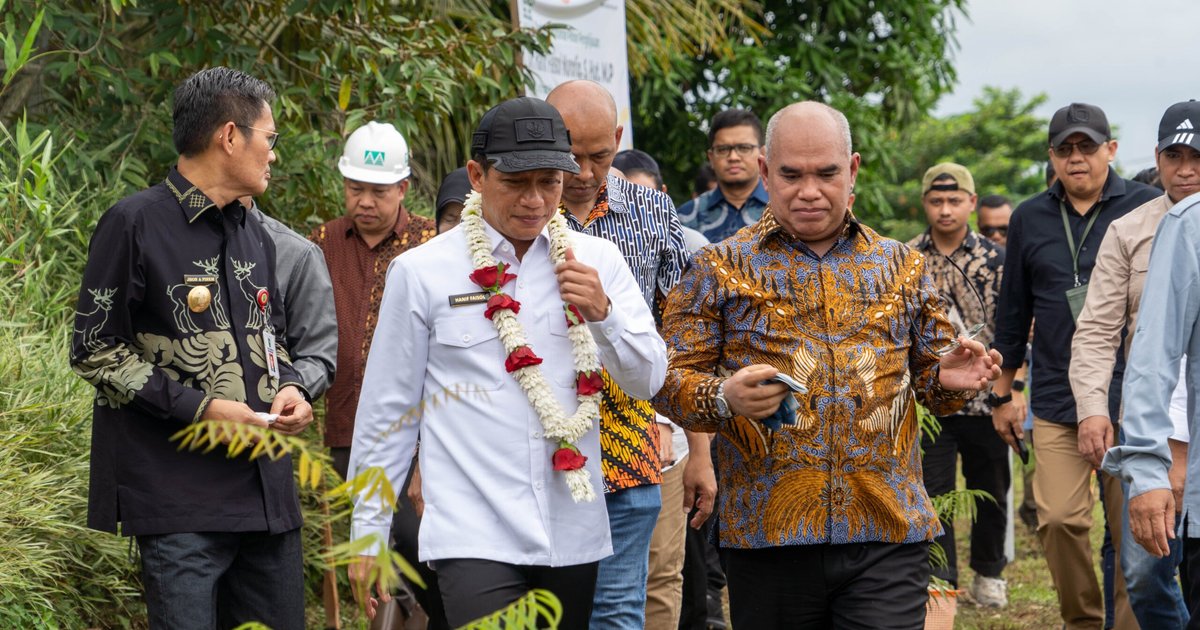
Indonesian Environment Minister Hanif Faisal Noruwik announced his readiness to assume any new role designated by President Prabowo Subianto during his arrival at the presidential palace in Jakarta. This announcement comes at a time when a cabinet reshuffle is anticipated, with reports suggesting that the president intends to restructure several government positions.
In his statements to reporters, Hanif confirmed that he would carry out any directives from the president to the best of his ability. He also noted that he has not yet received precise information regarding the new position he will take, raising questions about the expected changes within the government.
Event Details
Hanif's remarks come as the presidential palace sees a gathering of various political and economic figures, reflecting the significance of the upcoming government adjustments. Among the notable names appearing at the palace are Jamhar Hidayah, M. Qudari, and Dodong Abdul Rahman, indicating that the changes may encompass multiple ministries.
Hanif also pointed out that his ministry faces significant challenges, including achieving ambitious environmental goals such as ending open waste disposal practices by 2026 and increasing waste management rates to 63.41% this year, aiming for 100% by 2029.
Background & Context
Historically, Indonesia has experienced frequent ministerial changes as President Prabowo Subianto seeks to enhance government efficiency and achieve sustainable development goals. The environmental challenges in Indonesia require a swift and effective response, especially in light of global environmental crises.
Indonesia is among the countries most affected by climate change, making it essential for the government to adopt effective policies to protect the environment and achieve sustainable development. The cabinet reshuffles are part of the government's efforts to improve performance and meet environmental objectives.
Impact & Consequences
Government changes could significantly impact environmental policies in Indonesia. If Hanif is appointed to a new position, it may help advance the environmental agenda, particularly given the substantial challenges facing the country.
Additionally, these changes may reflect the government's direction towards enhancing transparency and accountability in managing natural resources, potentially improving Indonesia's image on the international stage.
Regional Significance
Indonesia is considered a leading country in environmental and sustainable development, and its experience may serve as an inspiration for Arab countries facing similar environmental challenges. Cooperation between Arab nations and Indonesia in environmental and sustainable development areas could contribute to achieving sustainable development goals in the region.
In conclusion, it remains to be seen how these changes will affect environmental policies in Indonesia and whether they will contribute to achieving the ambitious goals set by the government.