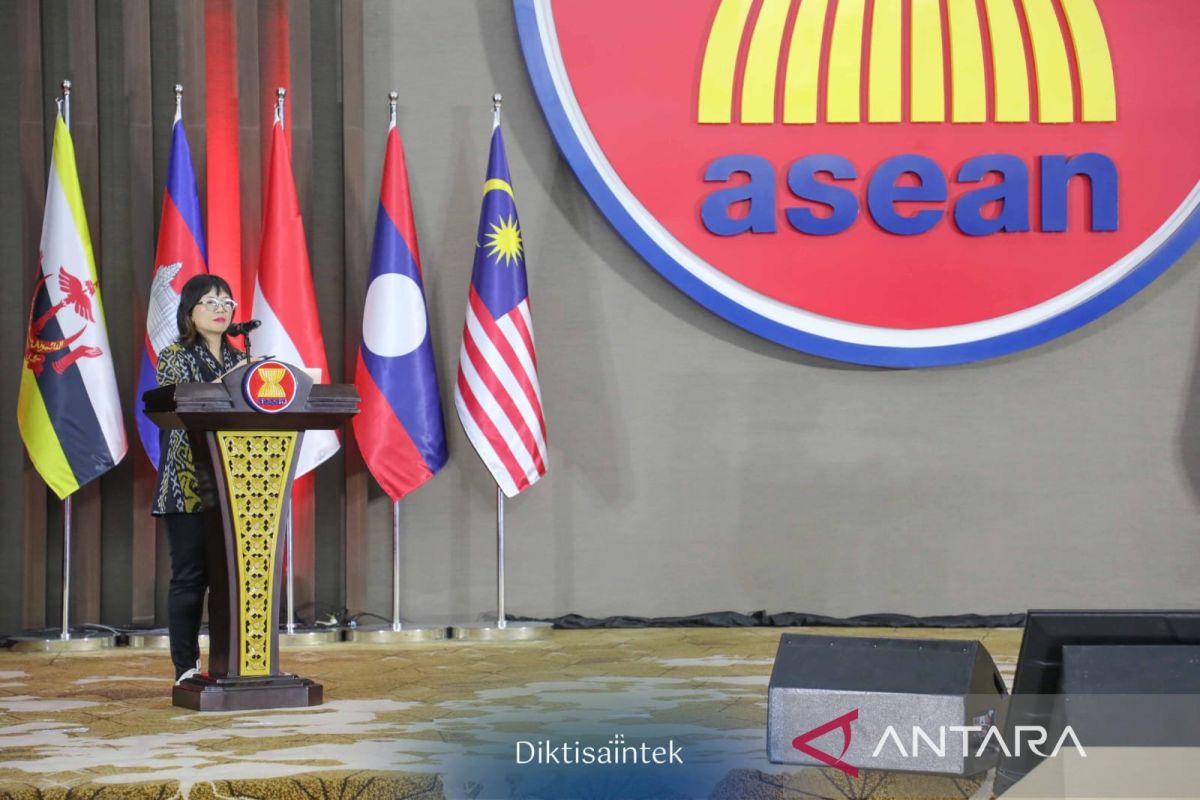
In a move that reflects the Indonesian government's commitment to educational quality, the Vice Chair of the Education Committee in the Indonesian Parliament, Kerniasih Mufidahiyati, announced the continuation of in-person education in schools, despite the implementation of a work-from-home policy for government employees in other sectors. This decision aims to maintain academic performance levels and enhance the personal values of students.
Mufidahiyati stated during a press conference in Jakarta that in-person education is essential for enhancing students' academic competencies, as direct interaction between teachers and students cannot be replaced by remote learning. She pointed out that previous experiences during the COVID-19 pandemic revealed significant limitations in remote education, negatively impacting students' social understanding and moral values.
Details of the Announcement
On March 31, the Indonesian government announced the implementation of a work-from-home policy for government employees every Friday, which will take effect from April 1, 2026. However, the education sector has been exempted from this policy, allowing in-person education in primary and secondary schools to continue for five days a week without any restrictions.
Mufidahiyati also called for enhanced coordination between the Ministries of Education, Religion, and Human Development to ensure consistent implementation of educational policies across all regions. She emphasized the importance of improving educational infrastructure to guarantee a safe and effective learning environment, especially in remote areas.
Background & Context
Historically, Indonesia's education system has faced numerous challenges, particularly during the COVID-19 pandemic, when there was a heavy reliance on remote learning. Studies have shown that this method led to a decline in academic performance, prompting the government to reconsider its educational strategies.
Indonesia is one of the largest countries in Southeast Asia, and its education system faces challenges related to resources and infrastructure. Therefore, the government's decision to continue in-person education represents an important step towards improving educational quality and ensuring the continuity of learning.
Impact & Consequences
The continuation of in-person education is a positive step towards enhancing the quality of education in Indonesia, as it will help improve students' academic outcomes and develop their social skills. This decision also reflects the government's commitment to developing human resources as part of the Indonesian president's vision.
However, implementing these policies requires significant efforts from the government to ensure a safe educational environment, particularly amid the ongoing challenges posed by the COVID-19 pandemic. It is also crucial to improve teacher training and provide the necessary resources to ensure the success of in-person education.
Regional Significance
Indonesia's experience in managing education during crises can be beneficial for Arab countries facing similar challenges. As reliance on remote education increases, Arab nations should learn from global experiences to improve educational quality and ensure the continuity of learning.
Educational quality is a vital issue in the Arab region, where many countries are striving to enhance their educational systems to address economic and social challenges. Therefore, exchanging experiences between countries can contribute to the development of effective educational strategies.