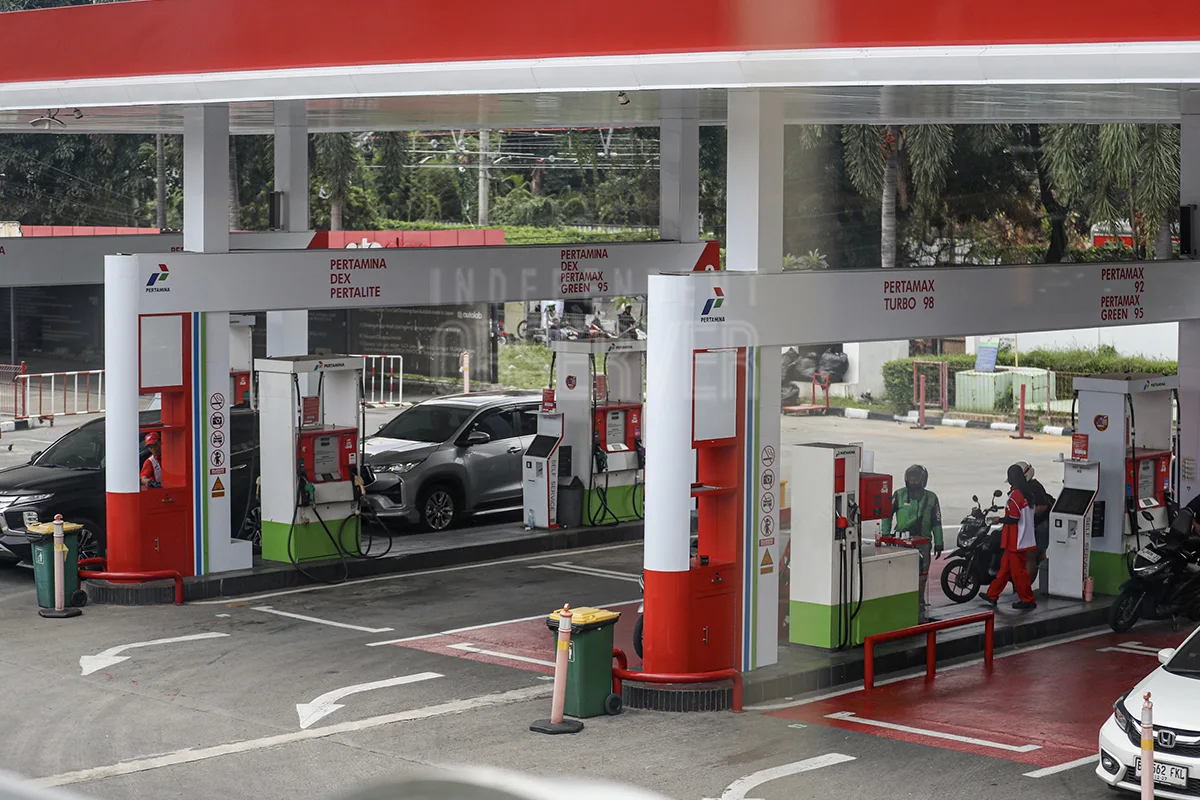
In a move aimed at supporting citizens in facing economic challenges, the Indonesian government announced its decision to maintain fuel prices, which many economists consider a wise decision. Fahmi Razi, an economics expert at Gadjah Mada University, confirmed that this decision reflects the government's commitment to protecting citizens' purchasing power amid the difficult economic conditions the world is experiencing.
Razi pointed out that the government is facing significant challenges, as raising prices would have led to increased inflationary pressures, negatively affecting the purchasing power of the middle and lower classes. With this decision, the government seeks to achieve a balance between maintaining the state budget and avoiding exacerbating the economic situation for citizens.
Details of the Decision
This step comes at a time when Indonesia is experiencing increasing economic pressures due to global fluctuations, with noticeable rises in the prices of basic commodities. Razi noted that the decision not to raise fuel prices, whether subsidized or not, is a wise choice that deserves appreciation, as it will contribute to reducing the likelihood of rising inflation rates.
Razi also emphasized that this decision will help maintain the stability of basic commodity prices, providing a sense of security for citizens in the face of volatile economic conditions. He pointed out that the purchasing power of the middle class has been negatively affected in recent times, making this decision essential for maintaining the balance of the national economy.
Background & Context
Historically, Indonesia has faced several economic crises that have impacted citizens' purchasing power. In recent years, governments have made decisions to raise fuel prices as part of austerity policies, leading to worsening economic and social conditions. However, the current government aims to adopt a different approach that focuses on protecting citizens rather than imposing additional burdens on them.
In this context, Indonesia is considered one of the largest economies in Southeast Asia, heavily reliant on fuel consumption. Therefore, any change in fuel prices can directly affect citizens' lives and increase economic pressures on them.
Impact & Consequences
The government's decision not to raise fuel prices is expected to have positive effects on the Indonesian economy. This decision will contribute to boosting domestic consumption, thereby supporting economic growth. Additionally, it will help reduce inflationary pressures, allowing citizens to better adapt to difficult economic conditions.
However, the government must be cautious in managing the public budget, as not raising prices could lead to increased financial burdens on the government. Consequently, there is an urgent need to enhance financial resource management and improve the efficiency of public spending to ensure the sustainability of this decision.
Regional Significance
Although Indonesia is far from the Arab region, this decision reflects economic trends that may be relevant to some Arab countries facing similar challenges. Many Arab countries heavily rely on fuel price subsidies, and any changes in economic policies could impact social and economic stability.
In conclusion, the Indonesian government's decision not to raise fuel prices appears to be a strategic step aimed at protecting citizens and enhancing economic stability. This decision underscores the importance of balancing economic policies with social needs, potentially serving as a model for other countries facing similar challenges.