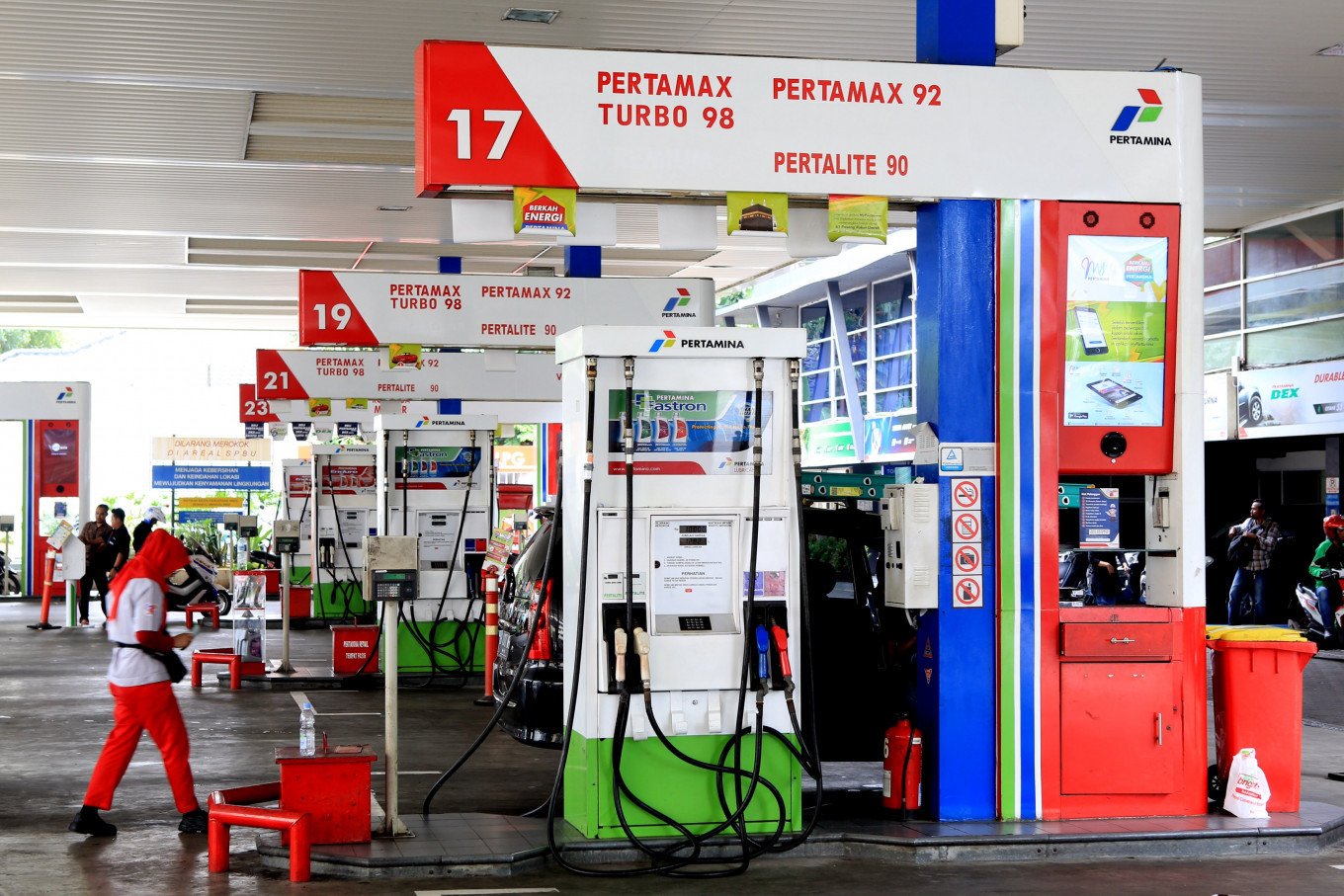
Indonesian Vice President Gibran Rakabuming Raka confirmed that the Indonesian government is diligently working to stabilize subsidized fuel prices to ensure citizens can afford them. This was stated in an official announcement made on Thursday, where he noted that President Prabowo Subianto's directives are clear in this regard.
Gibran mentioned that the government appreciates suggestions regarding increasing fuel prices, but clarified that these proposals do not align with the president's directives. He emphasized that the government is committed to keeping subsidized fuel prices within reach for citizens, especially for the most vulnerable groups.
Details of the Announcement
In a related context, the Vice President explained that the government is implementing effective measures such as improving public spending efficiency and reallocating the budget to protect vulnerable groups from the impacts of rising fuel prices. He confirmed that these measures aim to avoid financial burdens that may arise from increased fuel prices, such as higher food prices and transportation costs.
Gibran also pointed out that the government continues to encourage a shift towards electric vehicles and renewable energy sources. The visit of President Prabowo Subianto to Magelang in Central Java, where an electric vehicle assembly plant was inaugurated, serves as evidence of the government's commitment to promoting clean energy usage.
Background & Context
Indonesia is one of the largest oil-producing countries in Southeast Asia; however, the government faces significant challenges in managing subsidized fuel prices. Historically, subsidized fuel prices have been an important part of the government's policy to ensure price stability and alleviate burdens on citizens, especially amid rising global oil prices.
In recent years, Indonesia has witnessed a notable increase in energy prices, prompting the government to take stringent measures to maintain market stability. This was reflected in the decision not to raise subsidized fuel prices until the end of the current year, as confirmed by Finance Minister Sri Mulyani Indrawati.
Impact & Consequences
Maintaining subsidized fuel prices has direct implications for the Indonesian economy. The stability of fuel prices helps reduce inflationary pressures, contributing to economic stability. This decision also reflects the government's commitment to protecting vulnerable groups from the impacts of rising prices.
However, the continued support for subsidized fuel may lead to financial challenges for the government, as it requires a substantial budget amid rising global oil prices. Therefore, the government needs to find a balance between price support and achieving financial sustainability.
Regional Significance
Indonesia's experience in managing subsidized fuel prices is particularly significant for Arab countries, as many face similar challenges in energy price management. Stability in fuel prices can contribute to social and economic stability, which many governments in the region strive to achieve.
In light of rising global energy prices, Arab countries should learn from Indonesia's experience in managing government support in a way that protects vulnerable groups without negatively impacting the public budget.