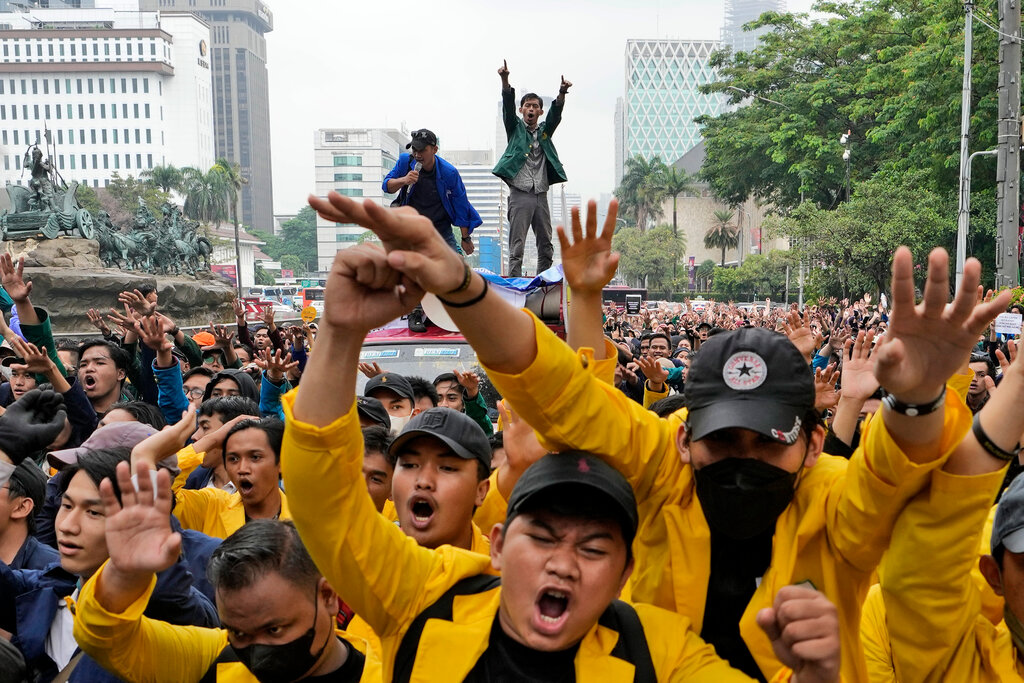
The Indonesian capital, Jakarta, hosted a coordination meeting among various government sectors, where the National Police of Indonesia (Polri) discussed the potential repercussions of global conflicts on the internal situation in the country. The meeting, held at the main police headquarters, was attended by several ministers and representatives from government institutions, reflecting the importance of coordination among different entities to tackle current challenges.
Among those present were the Minister of Energy and Mineral Resources, Bahil Lahadalia, the Minister of Agriculture, Andi Amran Sulaiman, and the Minister of Manpower, Yasril. Additionally, the head of the Central Statistics Agency, Amelia Adininggar Widyasanti, and the head of the Financial Services Authority, Frederika Widia Sari Dewi, were also in attendance. Representatives from Bank Indonesia, the Ministry of Home Affairs, and state-owned companies such as PT Pertamina and Perum BULOG participated as well.
Details of the Meeting
During the press conference that followed the meeting, Police Chief General Listyo Sigit Prabowo emphasized that the meeting was an opportunity to gain a comprehensive understanding from decision-makers regarding the economic and social situation in the country. He noted that national stability is vital, especially given the economic challenges facing Indonesia, where the economic growth rate stands at approximately 5%.
General Prabowo further added that the government is striving to enhance economic growth and ensure the continuity of programs and policies initiated by Indonesian President Joko Widodo, reflecting the government's commitment to achieving sustainable development.
Background & Context
This initiative comes at a time when the world is witnessing an escalation of conflicts and disputes, which directly impacts economic and political stability in many countries. Indonesia, as the largest economy in Southeast Asia, faces multiple challenges due to these conflicts, necessitating a swift and effective government response.
Historically, Indonesia has faced previous economic crises, making it aware of the importance of preparing for future crises. Coordination among various ministries and government agencies is considered a strategic step to ensure the country's stability amid changing global conditions.
Impact & Consequences
An analysis of the current situation indicates that Indonesia needs to bolster its capabilities to address global crises. The meeting held reflects the increasing awareness among the government of the importance of cooperation between different sectors, contributing to a comprehensive and effective response.
These efforts are expected to improve the government's ability to deal with economic and social challenges, thereby enhancing the country's stability and ensuring continued growth. Additionally, coordination among ministries may help build trust among local and international investors.
Regional Significance
Considering the situation in the Arab region, Indonesia's experiences could serve as a model. Many Arab countries face similar challenges due to conflicts and disputes, requiring effective responses from their governments. Cooperation among different sectors can also contribute to enhancing stability and growth in these countries.
In conclusion, the meeting held in Indonesia represents an important step toward enhancing national stability amid changing global conditions. Cooperation among various government entities is vital to facing challenges and achieving sustainable development.