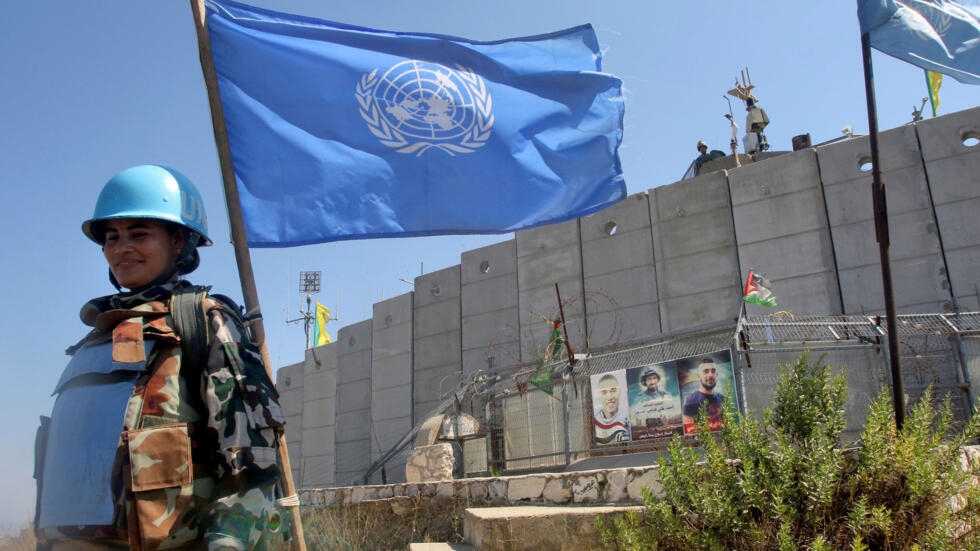
The Indonesian Army Chief, General Agus Subiyanto, reaffirmed the Indonesian government's commitment to ensuring the rights of families of soldiers who fell while performing their duties as peacekeepers under the United Nations mission in Lebanon. This statement was made during his visit to the family of one of the fallen soldiers, where he indicated that the state would provide financial and educational support for their families.
General Agus explained that the government would grant an exceptional promotion to all fallen soldiers, in addition to providing financial compensation of up to 350 million rupiah through the military's insurance system. He also confirmed the allocation of 30 million rupiah as an educational grant for the children of the deceased soldiers, with a commitment to accompany them through their educational stages until they reach adulthood.
Details of the Incident
These remarks come after Indonesia lost three of its soldiers in Lebanon during March 2026, who were killed as a result of attacks they faced while carrying out their duties. The soldiers who lost their lives are: Fahrizal Romadon, Mohammad Noor Eishwan, and Zulmi Aditya Iskandar. They were attacked by armed groups, leading to the death of two due to a car explosion, while the other died from artillery shelling.
In a related context, General Agus confirmed that the government is working to expedite the process of repatriating the soldiers' remains to their homeland, coordinating with relevant authorities to ensure their return as soon as possible. He also noted that other soldiers injured in the attacks are receiving appropriate medical treatment in local hospitals.
Background & Context
Historically, Indonesia has been among the countries that actively participated in United Nations peacekeeping missions, sending its forces to conflict areas around the world. These missions have faced numerous challenges, including security risks that threaten the lives of soldiers. This recent incident serves as a reminder of the importance of supporting the families of soldiers who sacrifice their lives for peace.
Such events require the Indonesian government to take urgent steps to ensure the rights of the soldiers' families, as financial and educational support is a fundamental part of the state's commitment to these heroes and their families.
Impact & Consequences
This incident underscores the importance of enhancing government support for the families of soldiers, as providing financial and educational assistance can help alleviate the psychological and social burdens faced by these families. Additionally, strengthening their rights is a step towards building trust between the government and citizens, especially in light of the difficult circumstances the world is currently facing.
It is also crucial for the government to adopt clear policies to support soldiers and their families, including providing healthcare and social insurance, which contributes to improving their quality of life.
Regional Significance
This incident holds significant implications in the regional context, as many Arab countries are experiencing armed conflicts that require international interventions. Supporting soldiers and their families reflects the commitment of countries to their responsibilities towards their armed forces, which can serve as a model for Arab nations facing similar challenges.
In conclusion, the issue of the rights of families of soldiers who sacrifice for peace remains a central concern that requires special attention from governments and communities to ensure that their sacrifices are not forgotten.