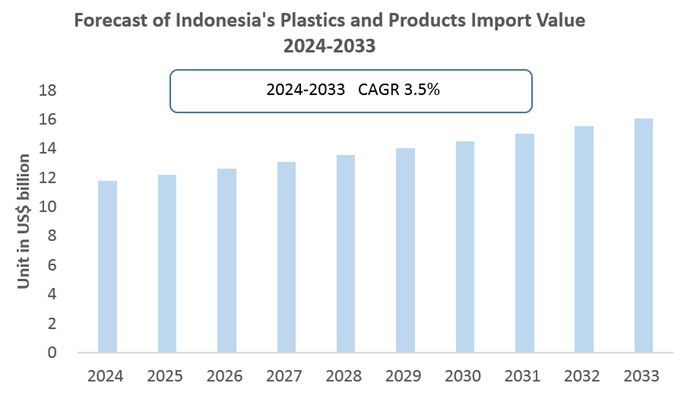
The Indonesian Deputy Minister of Trade, Diah Roro Esti Widia Putri, has announced that the Indonesian government is studying the possibility of providing financial support to the plastic industry. This support aims to maintain price stability and enhance the supply of raw materials amid changing global economic conditions. This statement was made during her speech at Airlangga University in Surabaya.
Roro explained that plastic prices are heavily dependent on the cost of raw materials such as naphtha, which directly affects production costs. She emphasized that the government is striving to find effective solutions to address these challenges in collaboration with the Coordinating Minister for Economic Affairs.
Details of the Initiative
The Indonesian government's plan includes studying options for providing financial support to the plastic industry as a first step toward reducing market prices. Roro pointed out that this policy aims to achieve a positive impact on prices overall and ensure the sustainability of the national industry. Additionally, the government is working to find alternative sources for naphtha, which are affected by global geopolitical conditions, to ensure stable raw material supplies.
In this context, Roro highlighted the importance of fostering an entrepreneurial spirit through collaboration with universities and trade associations. Small and medium-sized enterprises (SMEs) represent about 60% of the gross domestic product, making them a key driver of economic growth.
Background & Context
The plastic industry is considered a vital sector in the Indonesian economy, playing a significant role in providing necessary materials for various industries. With the increasing global demand for plastic, Indonesia faces significant challenges related to price volatility and securing raw materials. Historically, the country has experienced several economic crises that have impacted this sector, necessitating swift and effective measures to maintain market stability.
The Indonesian government seeks to enhance cooperation between the public and private sectors and provide a conducive environment for business growth. Through programs like "Campus Preneur," the Ministry of Trade aims to improve entrepreneurial education and open new avenues for local and international markets.
Impact & Consequences
If the support plan is implemented, it is expected to lead to improved price stability for plastic in the market, positively affecting other industries that rely on this material. Additionally, enhancing entrepreneurship through support for small and medium-sized enterprises can contribute to creating new job opportunities and increasing productivity.
These steps are part of the government's strategy to bolster the national economy in the face of global challenges. As global price fluctuations continue, enhancing the competitiveness of the local industry will be vital to ensuring sustainable economic growth.
Regional Significance
Arab countries are also affected by fluctuations in raw material prices, including plastic, as many industries in the region depend on these materials. Indonesia's experience in providing support to the plastic industry could serve as a model for Arab countries facing similar challenges. Strengthening cooperation between governments and businesses could contribute to achieving greater stability in regional markets.
In conclusion, the Indonesian government's support for the plastic industry represents a strategic step aimed at addressing global economic challenges. It is important for other countries to learn from this experience to enhance the stability of their local markets.