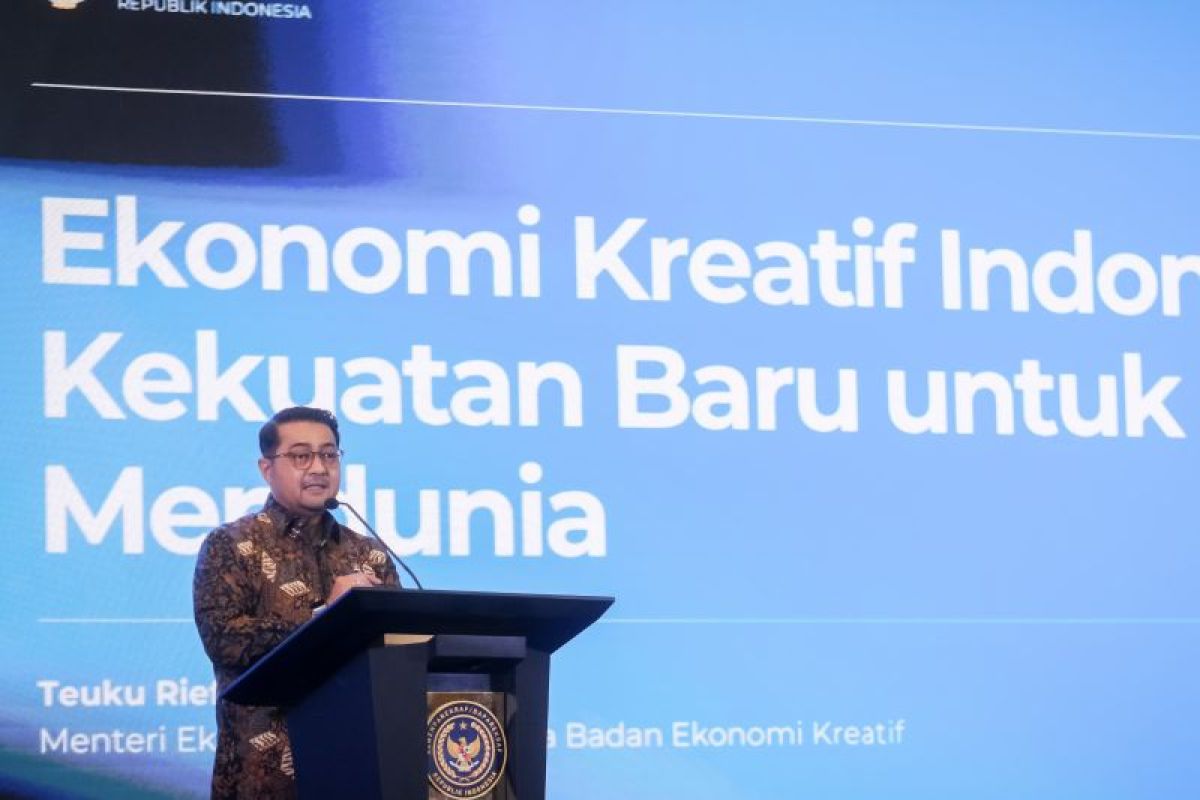
Indonesian Creative Economy Minister, Tiko Rivki Harsia, affirmed government support for all types of local films, highlighting the growing interest in cinematic works using local languages. This statement was made during a special screening of the film 'Rainbow on Mars' in Jakarta, where the minister emphasized the importance of supporting all cinematic genres, including horror, drama, and films that utilize local languages such as Javanese and Madurese.
In his remarks following the screening, Harsia explained that there is an increasing interest among youth, particularly from the millennial generation, in films that reflect their culture and language. He stressed that success in attracting audiences requires providing content that aligns with their interests and preferences.
Event Details
During the event, the minister noted that the government aims to make Indonesia a hub for film production, where Indonesian films should be able to compete on a global level. He affirmed that the goal is for Indonesia to become the 'home' of its own film industry, contributing to the enhancement of national cultural identity.
Harsia also pointed out the importance of developing the film industry ecosystem, including the emergence of new professions such as voice actors, which have become increasingly in demand in film production and digital content. He emphasized the need for collaboration between the government and stakeholders in this field to ensure the success of these new professions.
Background & Context
The history of Indonesian cinema spans decades, with the country witnessing significant development in the film industry since its inception. However, local films have not always received adequate attention compared to foreign films. In recent years, Indonesian audiences have begun to show greater interest in films that reflect their culture and language, indicating a shift in public taste.
Films that utilize local languages are considered part of cultural identity and have contributed to enhancing national pride. With the increasing popularity of these films, it has become essential for the government to adopt strategies to support and develop this trend.
Impact & Consequences
The government's support for the local film industry can have positive effects on the Indonesian economy. By promoting local production, new job opportunities can be created, stimulating growth in related sectors such as tourism and trade. Additionally, the rising interest in local films can contribute to strengthening cultural identity and enhancing national pride.
Furthermore, the development of the film industry can open new avenues for international collaboration, as Indonesian films could become part of the global cinematic landscape, enhancing Indonesia's standing in the global cultural arena.
Regional Significance
Indonesia's experience in supporting local cinema serves as a model for the Arab world, where many Arab countries face similar challenges in promoting local film production. The lessons learned from Indonesia can inspire Arab filmmakers to develop content that aligns with their cultures and languages, thereby enhancing their chances of success in both local and international markets.
In conclusion, government support for the film industry in Indonesia represents an important step towards enhancing cultural identity and economic growth, opening new horizons for cooperation and cultural exchange with other countries.