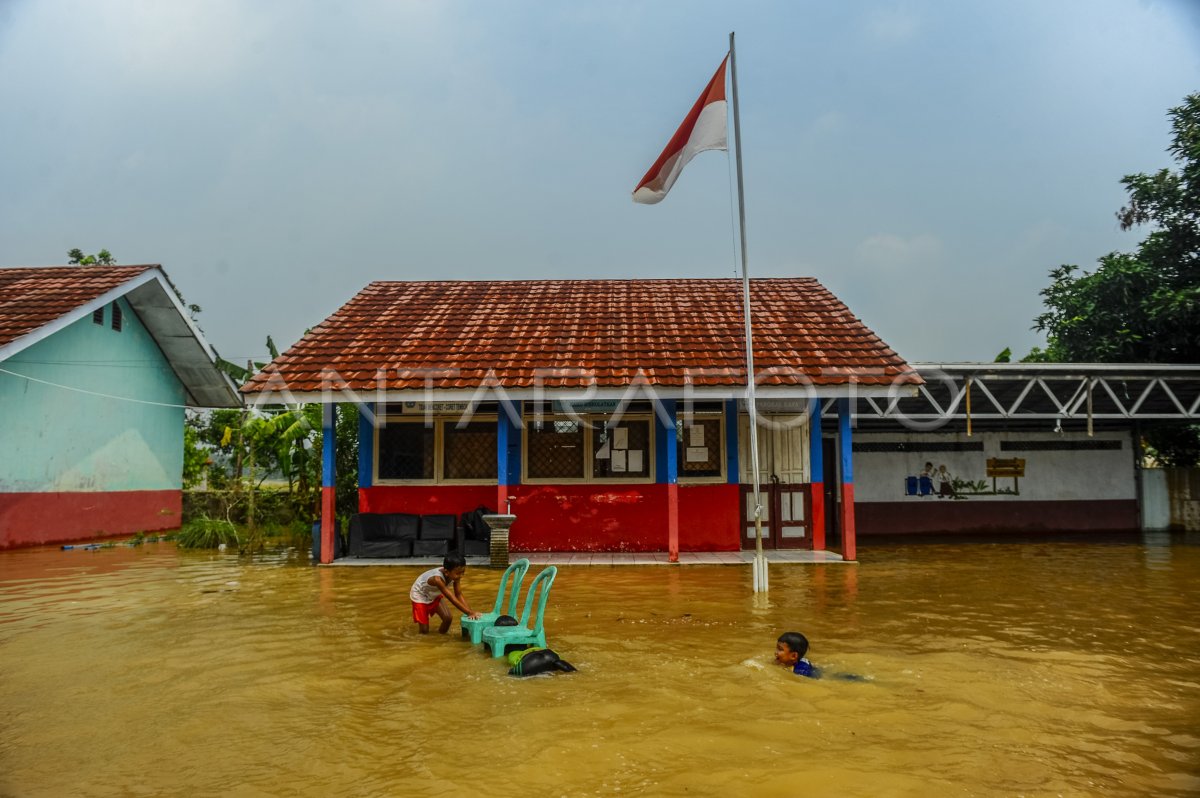
The government of Lebak, Indonesia, has announced the commencement of the verification process for the data of 200 students in public schools for the academic year 2026/2027. This initiative is part of its efforts to ensure the enrollment of students from low-income families. The goal is to enhance educational opportunities for children from families with limited income.
Leila Givti Khliria, the acting head of the Social Affairs Directorate in Lebak, confirmed that the objective is to enroll 200 students, distributed as follows: 25 students in elementary school, 75 students in middle school, and 100 students in high school. This initiative aligns with the government's plan to improve the education level in impoverished areas.
Details of the Initiative
The government aims to ensure that the students being registered in public schools genuinely come from low-income families. The students' data will be submitted to the governor for necessary decisions regarding their acceptance. The program specifically targets families classified among the poorest.
Public schools are seen as an effective means to combat poverty by providing quality education to children, enabling them to have the opportunity to attend public universities or work in state-owned companies. These schools are equipped with modern facilities, including classrooms and sports and arts facilities.
Background & Context
Historically, Indonesia has faced significant challenges in the field of education, especially in remote and impoverished areas. The Indonesian government has launched numerous initiatives to improve educational standards, including the public schools project aimed at providing education to children from low-income families.
These efforts reflect a broader commitment to enhancing social equity through education, ensuring that children from all backgrounds have access to quality learning environments. The public schools initiative is a crucial part of this strategy, aiming to bridge the educational gap between different socioeconomic groups.
Impact & Consequences
This program is expected to have a positive impact on the local community by improving educational opportunities for children from poor families. Quality education can contribute to an improved standard of living and reduce poverty rates in the long term. Additionally, the success of this program may encourage local governments in other regions of Indonesia to adopt similar initiatives, thereby enhancing education across the country.
Furthermore, the initiative can foster a culture of educational attainment within communities, leading to greater awareness of the importance of education and its role in breaking the cycle of poverty.
Regional Significance
The significance of this initiative extends beyond immediate educational benefits. It represents a strategic approach to addressing systemic issues related to poverty and education in Indonesia. By focusing on the most vulnerable populations, the government aims to create a more equitable society.
In conclusion, the verification of student data in public schools is a vital step towards improving education in Indonesia and providing equal opportunities for children from low-income families. This initiative not only addresses immediate educational needs but also contributes to long-term social development.