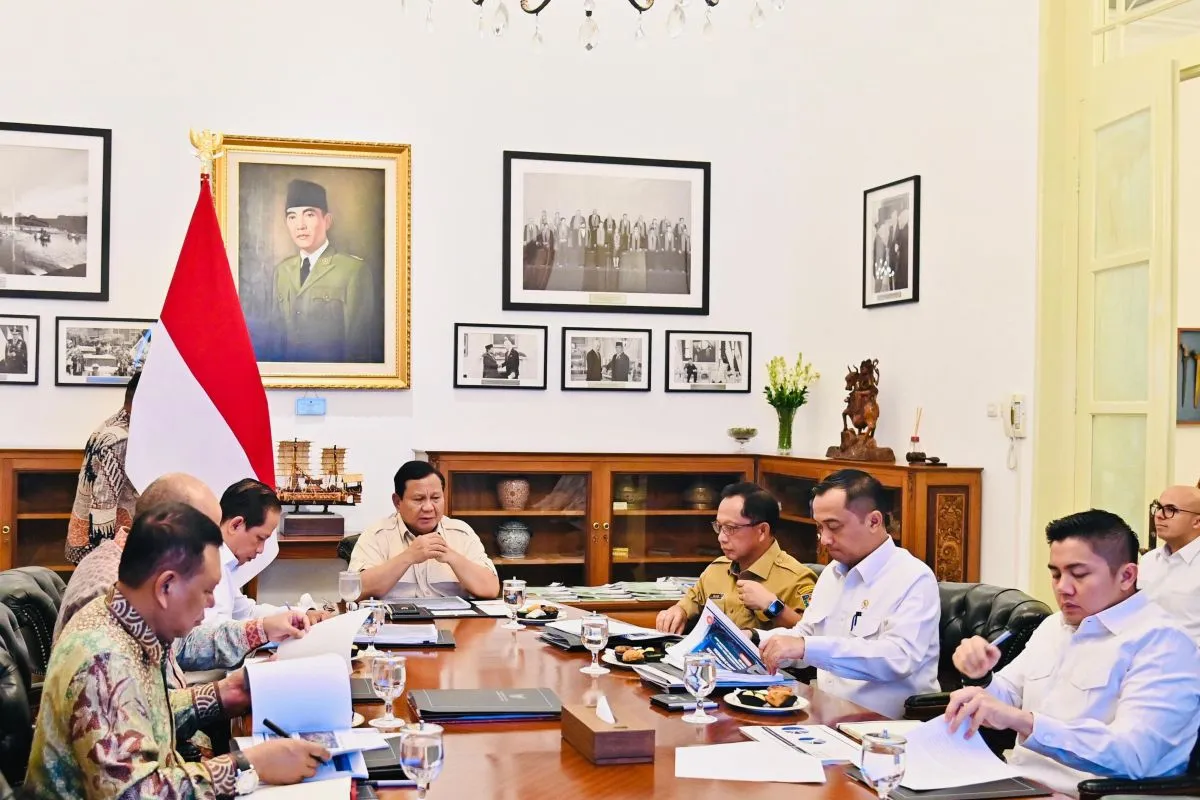
Indonesian President Joko Widodo visited a state-of-the-art facility that transforms waste into economically valuable products, including bricks and tiles, in Banyumas, Central Java, on Tuesday. This visit is part of the Indonesian government's efforts to enhance environmental sustainability and reduce waste.
During the visit, the president expressed significant interest in the products derived from plastic waste processing, which are being used as building materials in public facilities in the area. President Joko interacted with the facility's workers, listening to explanations about how these products are manufactured and their durability.
Event Details
The TPST BLE facility in Banyumas is a modern model for waste management, utilizing automated sorting technology with a processing capacity of up to 75 tons per day. The facility processes waste collected from various areas of the district, contributing to the reduction of waste accumulation in residential areas.
Among the innovations highlighted during the visit was the One Day Process technology, which ensures that all incoming waste is processed within one day, helping to prevent waste accumulation at the work site. This facility aims to achieve the goal of Zero Waste to Landfill, meaning transforming waste disposal sites into production centers for high-value economic goods.
Background & Context
This initiative is part of Indonesia's efforts to tackle increasing environmental challenges, as the country faces significant issues related to waste management. According to reports, Indonesia produces approximately 67 million tons of waste annually, necessitating effective strategies to reduce this amount and convert it into useful resources.
Historically, Indonesia has relied heavily on traditional disposal sites, but with growing environmental awareness, the government has begun investing in new technologies to improve waste management. These steps reflect the Indonesian government's commitment to transitioning towards a circular economy.
Impact & Consequences
These initiatives carry positive implications for both the environment and the local economy. By converting waste into usable products, pressure on waste disposal sites can be alleviated, contributing to improved quality of life in surrounding areas.
Moreover, these projects create new job opportunities in waste management, boosting the local economy. The use of recycled materials in construction also helps reduce reliance on natural resources, reflecting the shift towards sustainability.
Regional Significance
Indonesia's experience in waste management serves as a model for many Arab countries facing similar challenges in this field. Arab nations can benefit from these experiences in developing effective waste disposal strategies, contributing to the achievement of sustainable development goals.
Additionally, knowledge and experience exchange between countries can enhance regional efforts to address environmental challenges, improving living conditions for citizens.