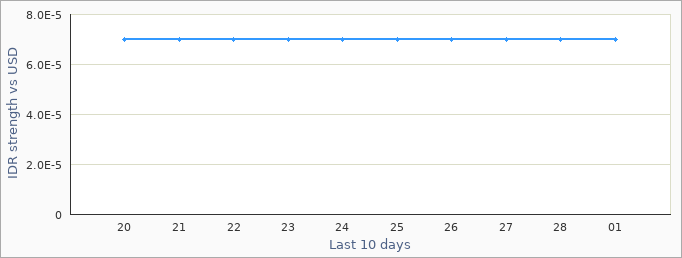
The value of the Indonesian rupiah witnessed a slight decline this morning, decreasing by one point or 0.01% to reach 16,981 rupiah against the US dollar. This drop follows the rupiah closing at 16,980 rupiah in the previous session, reflecting increasing impacts from rising global oil prices.
Financial analyst at Doo Financial Futures, Lukman Leong, reported that the decline of the rupiah is directly linked to the rise in crude oil prices, with West Texas Intermediate crude reaching $103 per barrel. He noted that this price increase is a result of disruptions in the Strait of Hormuz, a vital corridor for transporting about 20 million barrels of oil daily, leading to supply shortages and increased prices.
Details of the Event
Pressure on the Indonesian rupiah is increasing amid deteriorating economic sentiment, with analysts expecting the rupiah to continue its decline against the US dollar. Lukman explained that forecasts suggest the rupiah will range between 16,950 and 17,050 rupiah against the dollar in the upcoming period.
He also indicated that rising oil prices will inevitably lead to increased inflation rates, which may prompt the Indonesian central bank (Bank Indonesia) to take measures to raise interest rates in an attempt to mitigate the impact of inflation on the economy.
Background & Context
The Indonesian rupiah is one of the currencies significantly affected by fluctuations in global oil prices, as the Indonesian economy heavily relies on oil and gas exports. Since the beginning of the year, oil prices have seen notable increases due to geopolitical and economic crises affecting global supplies.
Historically, Indonesia was among the largest oil producers in Asia, but it has now become an oil importer due to declining domestic production. This shift has made the rupiah more susceptible to fluctuations in oil prices, impacting the country's economic stability.
Impact & Consequences
Rising oil prices are expected to exacerbate economic conditions in Indonesia, affecting the cost of living for citizens. With fuel prices increasing, consumers may face additional pressures, raising the likelihood of protests against the government due to rising prices.
Furthermore, the continued decline of the rupiah may impact foreign investments, as investors might hesitate to inject funds into the Indonesian market amid monetary instability. This situation could affect economic growth in the near future.
Regional Significance
Arab countries are also affected by fluctuations in oil prices, as many of these nations are major oil producers. Thus, rising oil prices could have a positive impact on the economies of these countries, but at the same time, it may increase pressures on oil-importing nations, heightening the economic challenges they face.
In conclusion, the economic situation in Indonesia remains under observation, as the government and the central bank must take effective steps to address these challenges, especially amid volatile global economic conditions.