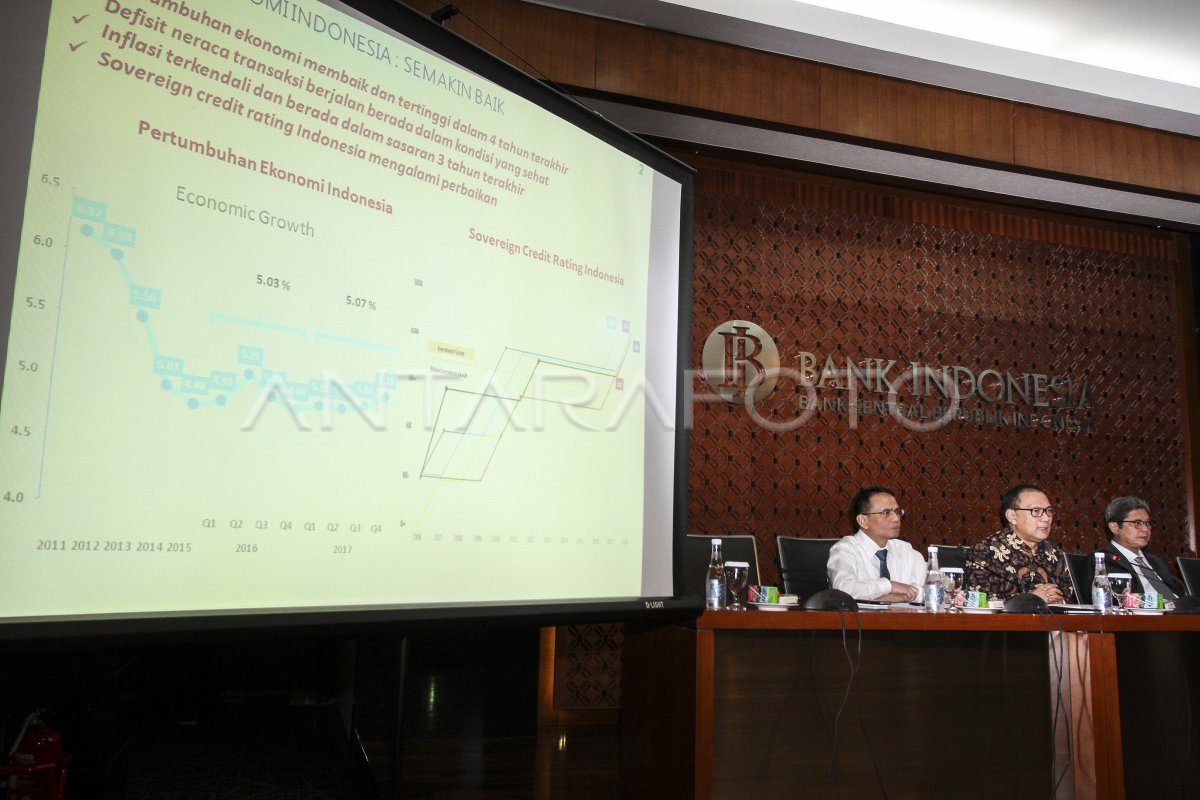
The Indonesian rupiah experienced a slight increase on Tuesday morning, rising by 15 points to reach 16,987 rupiah against the US dollar, compared to the previous day's close of 17,002 rupiah. This rise came after remarks from Federal Reserve Chair Jerome Powell, who indicated that there is no urgent need to raise interest rates given the current economic conditions.
In his statements, Powell emphasized that the Federal Reserve does not see an immediate necessity to increase interest rates in response to the recent rise in oil prices. According to him, inflation expectations remain under control, and any tightening of monetary policy could negatively impact the economy in the future.
Details of the Event
Currency analyst at Doo Financial Futures, Luckman Leong, reported that the strength of the Indonesian rupiah is partially attributed to Powell's comments, where he noted that the Federal Reserve has not yet reached a point that necessitates an interest rate hike due to rising energy prices. He explained that policymakers are still not fully aware of the economic impacts arising from the conflict in Iran and the pressures associated with oil prices.
This comes at a time when oil prices have seen a significant increase, rising by more than 45% in a month following the US-Israeli attacks on Iranian oil infrastructure, as well as the closure of the Strait of Hormuz. Thus, maintaining interest rates within the range of 3.5% to 3.75% is considered appropriate given the current geopolitical tensions.
Background & Context
Historically, the Indonesian rupiah has been significantly affected by changes in US monetary policy, as any change in interest rates in the United States can impact capital flows to emerging markets like Indonesia. In recent years, Indonesia has experienced fluctuations in its currency due to global economic changes, including rising oil prices and international trade disputes.
The economic situation in the United States, including the labor market, also plays a significant role in determining the trends of the rupiah. Powell pointed out the weakness in the US labor market, noting that the US economy lost 92,000 jobs last month, reflecting significant challenges facing the US economy.
Impact & Consequences
The impact of the rising Indonesian rupiah is expected to be limited amid ongoing negative pressures in the market. Analysts predict that the value of the rupiah will range between 16,950 and 17,050 rupiah against the US dollar. This reflects ongoing concerns about rising oil prices and their impact on the Indonesian economy.
Continued increases in oil prices could lead to rising inflation in Indonesia, which may pressure the central bank to take more stringent actions in the future. This, in turn, could affect economic growth in the country, especially amid volatile global conditions.
Regional Significance
Oil prices are a key factor influencing the Arab economy, as many Arab countries heavily rely on oil revenues. Therefore, any fluctuations in oil prices could impact economic stability in the region. Additionally, geopolitical tensions, such as the conflict in Iran, may lead to increased instability in oil markets, affecting Arab economies.
In conclusion, the rise of the Indonesian rupiah reflects the market's response to Federal Reserve comments, but economic challenges remain, necessitating close monitoring by investors and analysts.