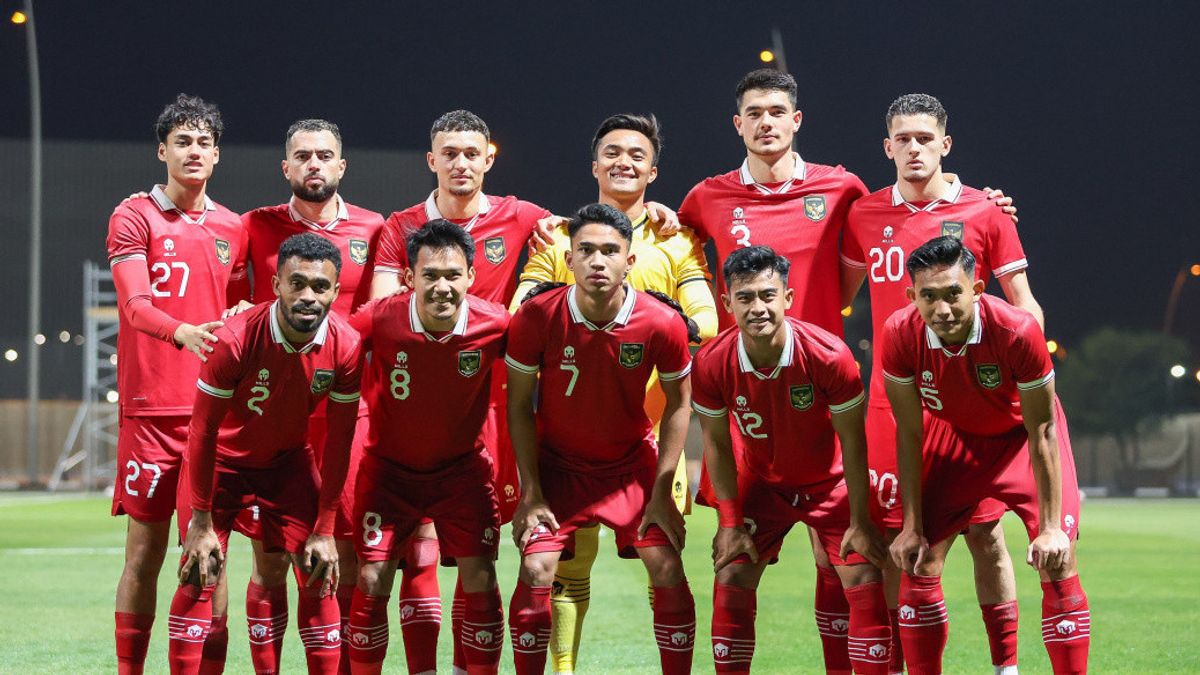
The Indonesian national team concluded the FIFA series as runners-up, showcasing impressive performances but still facing numerous challenges. This outcome raises questions about the team's future and readiness for upcoming competitions.
Despite achieving second place, the on-field performance was inconsistent, leaving doubts about the team's ability to compete in future tournaments. The coach emphasized the need to improve certain technical and tactical aspects to ensure success moving forward.
Event Details
During the FIFA series, the Indonesian team delivered a series of strong performances, reaching the final after a string of thrilling victories. However, in the final match, the team struggled against a strong opponent, resulting in a loss of the title. The individual performance of some players was notable, but the team as a whole was unable to deliver the required performance in critical moments.
It is worth noting that the Indonesian team has shown significant improvement in recent years, managing to capture the attention of fans and media alike. This series was an opportunity to showcase the team's development, but it also served as a reminder that there is still much work to be done.
Background & Context
Historically, Indonesia has witnessed remarkable growth in football, being considered one of the rising powers in the region. However, it has faced several challenges that have impacted its performance in international tournaments. In recent years, more resources have been invested in player development and infrastructure, contributing to the team's improved level.
The FIFA series is part of Indonesia's efforts to enhance its position in the global sports arena. Nevertheless, challenges remain, and the team must work hard to achieve better results in the future.
Impact & Consequences
The results of the Indonesian team in the FIFA series can affect the morale of both players and fans. Achieving second place may serve as motivation for greater effort in the future, but it can also create additional pressure on the team to succeed in upcoming tournaments.
Moreover, good performance in this series could attract more investments and sponsorships for Indonesian football, potentially contributing to the development of the sport at the grassroots level. However, strategic planning is necessary to ensure the sustainability of success.
Regional Significance
Football is a universal language, and the results of national teams in various countries impact fans worldwide. Indonesian success could have a positive influence on Arab teams, as these success stories may inspire Arab teams to enhance their performance and achieve better results in international competitions.
Furthermore, collaboration between Indonesian and Arab teams could facilitate the exchange of experiences and tactics, thereby enhancing the level of the game in the region.
In conclusion, the Indonesian team faces significant challenges after finishing the FIFA series as runners-up. More work and planning are required to ensure future success. However, hope remains that the team can overcome these challenges and achieve greater accomplishments in the sports arena.