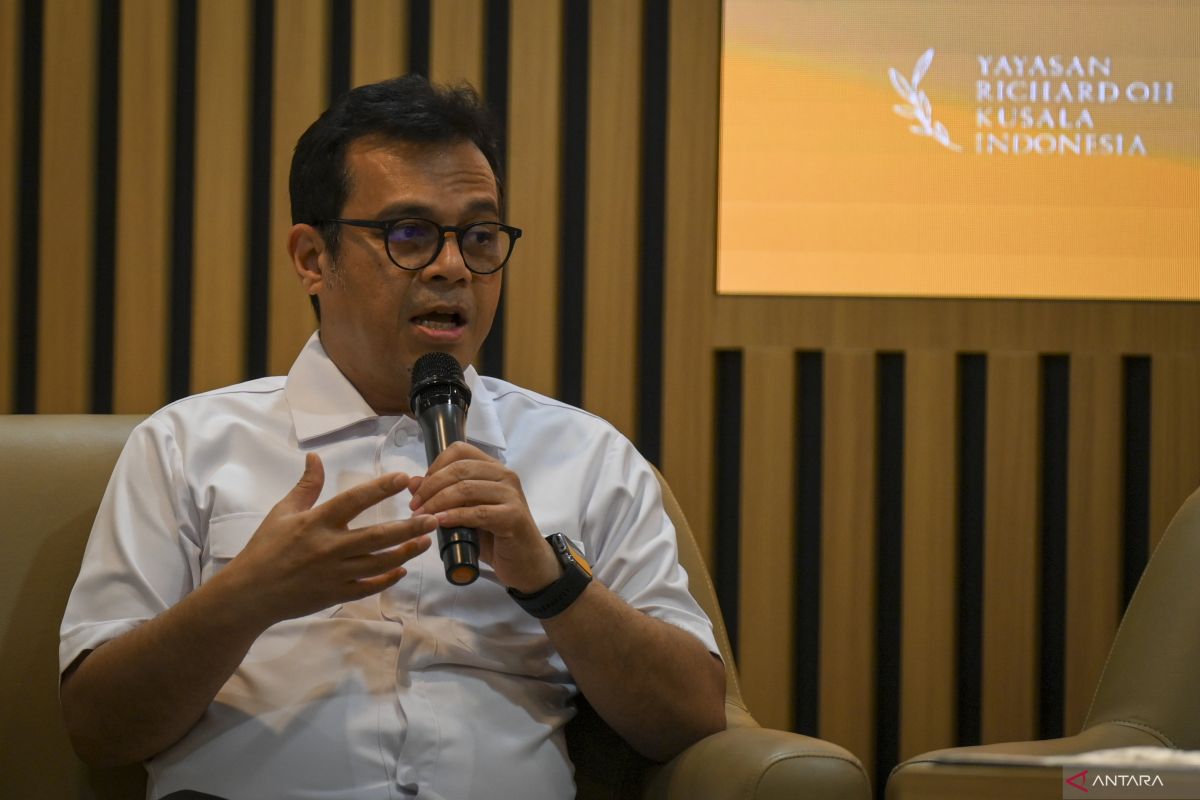
The Batang government in Indonesia has announced new guidelines for teachers aimed at reducing children's use of social media and smart devices to protect their educational and psychological development. This initiative is part of the government's efforts to combat the negative impacts of the digital world on children, with the Deputy Governor of Batang, Suyono, emphasizing the importance of raising children in a suitable educational environment.
In a press conference, Suyono explained that children must learn how to use technology positively, but there must be clear limits to protect them from negative content. He noted that the government is working on policies to support this direction, including issuing regulatory guidelines concerning the use of electronic systems.
Event Details
The Batang government seeks to raise awareness among teachers and parents about the importance of monitoring children's use of smart devices. Suyono confirmed that education is the main tool through which children can be guided towards the correct use of technology. He also pointed out the necessity of forming discussion forums between parents and schools to monitor children's activities in the digital space.
Suyono expressed appreciation for the efforts made by Islamic schools, which prohibit students from using mobile phones during study periods. He stressed the importance of public schools adopting the same approach to ensure that children are not exposed to inappropriate content.
Background & Context
This step comes amid growing global concern about the impact of social media and smart devices on children and adolescents. Multiple studies have shown that excessive use of these platforms can lead to psychological issues such as depression and anxiety, in addition to negative effects on academic performance.
In Indonesia, where smartphone usage among children has increased, there is an urgent need to establish effective strategies to protect children from internet-related risks. Previous reports have indicated that many children spend long hours on social media, adversely affecting their studies and social interactions.
Impact & Consequences
These new policies could improve the educational environment for children, as they will help reduce distractions caused by social media use. Additionally, raising awareness among teachers and parents may contribute to building a more responsible generation capable of managing technology effectively.
However, the government may face challenges in implementing these policies, especially with resistance from some parents who view technology use as an integral part of modern life. Therefore, it will be essential to provide comprehensive awareness programs that explain the benefits and risks associated with technology use.
Regional Significance
The Batang experience serves as a model that Arab countries can benefit from, as many Arab communities face similar challenges regarding the impact of social media on children. These government policies in Indonesia could inspire decision-makers in Arab nations to adopt similar strategies to protect children from digital risks.
With the increasing use of smartphones and social media in the Arab world, it becomes crucial for governments to implement effective policies to protect children and promote positive technology use. Enhancing collaboration between schools and families can contribute to building a generation capable of better handling digital challenges.