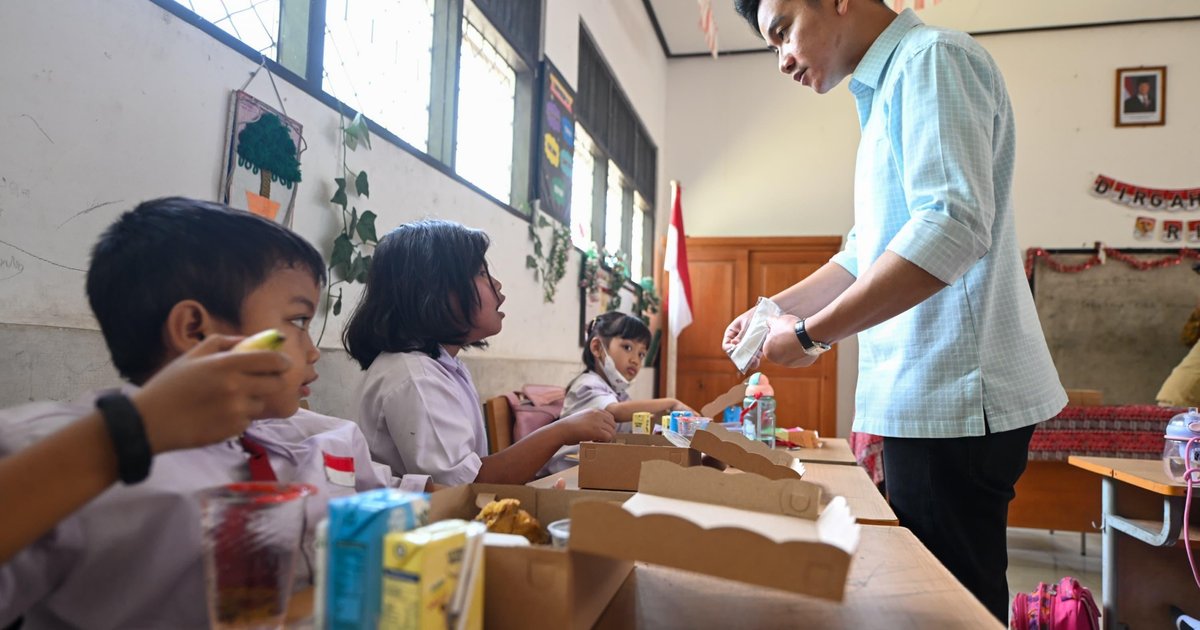
Indonesian Finance Minister Sri Mulyani Indrawati revealed that the 'Free Nutritious Food' (MBG) program has the potential to achieve a net contribution exceeding 1% to the national economic growth. This announcement was made during a press conference in Jakarta, where she highlighted that the program will work towards creating new job opportunities that could reach up to one million.
Indrawati explained that the figures based on input-output table calculations from the Central Statistics Agency (BPS) indicate that every 1% increase in economic growth is typically associated with the creation of approximately 450,000 jobs. Therefore, the contribution of the MBG program could theoretically exceed 2% of the Gross Domestic Product (GDP).
Event Details
During her remarks, Indrawati emphasized that the provided figures remain estimates, noting that after accounting for labor shifts from other sectors to the MBG program, the net contribution is expected to be around 1% or more. She stressed the importance of effectively implementing the program to achieve the desired impact on the national economy.
She also added that there are some shifts in the labor market, where individuals may transition from other sectors to work in the MBG program, which could affect the final contribution figures. Nevertheless, Indrawati assured that the impact would be significant if the program is executed well.
Background & Context
Indonesia is considered one of the largest economies in Southeast Asia, with the government striving to enhance economic growth through innovative programs. The MBG program is part of the government's efforts to improve living standards by providing healthy and nutritious food to the most needy populations.
Historically, Indonesia has witnessed numerous social programs aimed at improving economic and social conditions, but the MBG program stands out as one of the new initiatives that combine food provision with job creation, reflecting the government's vision in addressing economic challenges.
Impact & Consequences
If successfully implemented, the MBG program could lead to significant improvements in living standards and an increase in productivity. Additionally, the creation of one million new jobs will contribute to reducing unemployment rates, thereby enhancing social and economic stability in the country.
Moreover, the program could have a positive impact on other sectors, such as agriculture and the food industry, as it will increase demand for local products, thereby boosting overall economic growth.
Regional Significance
The Indonesian experiences in free nutrition and job creation serve as a model that many Arab countries could benefit from. Given the economic and social challenges faced by some Arab nations, such programs could be an effective solution for improving living conditions.
Arab countries can draw inspiration from Indonesia's experience in designing similar programs that focus on providing healthy food and creating job opportunities, contributing to stability and sustainable development in the region.