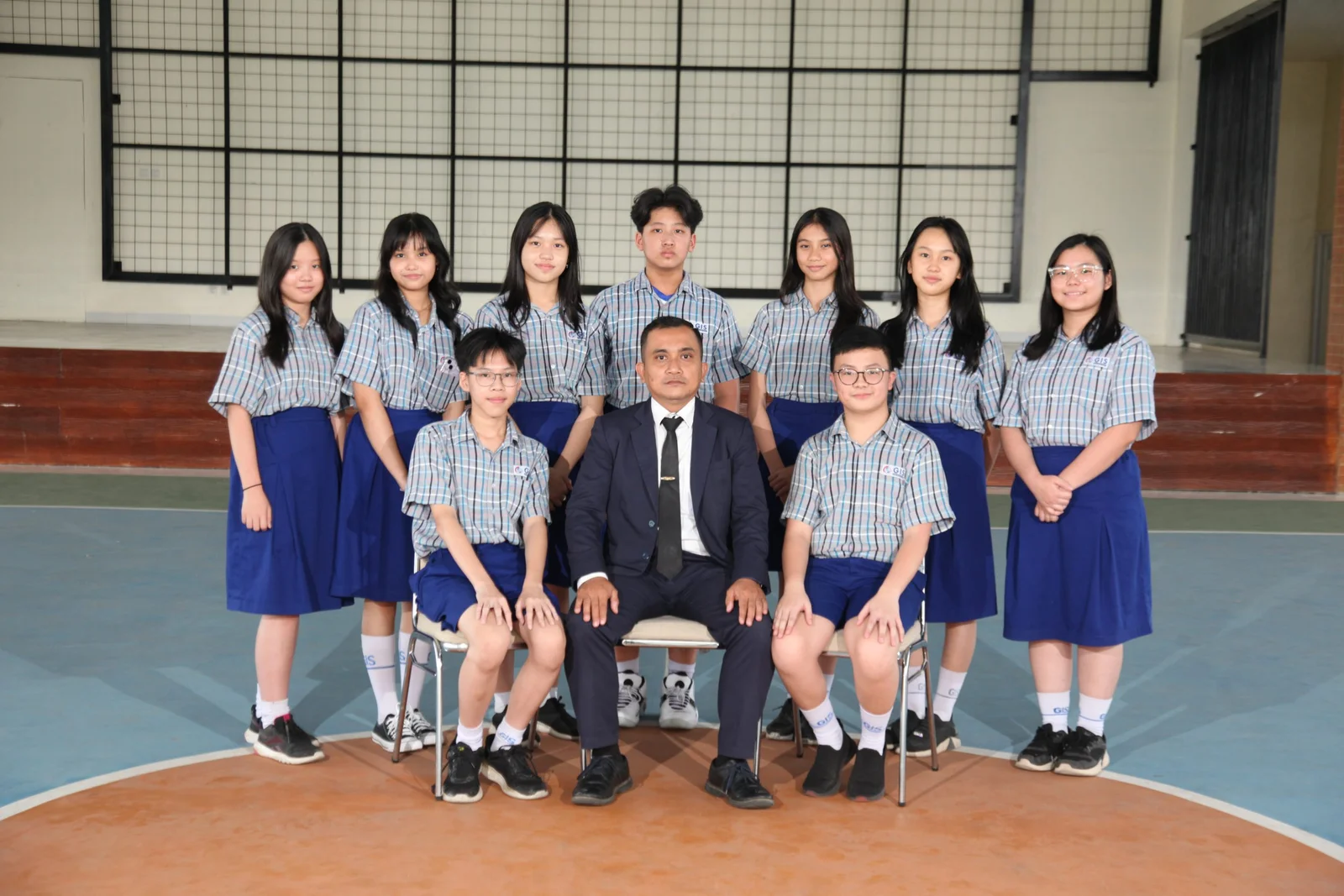
In a move that reflects the Indonesian government's commitment to enhancing education, Vice President of Parliament Kouchon Ahmad Shamsurijal confirmed that the 'People's School' program, initiated by President Prabowo Subianto, serves as a clear indication of the state's presence in citizens' lives. This statement was made during his visit to Integrated People's School 9 in South Kalimantan, where he highlighted the program's significance in fulfilling citizens' basic rights, particularly in the field of education.
During his visit, Kouchon engaged in direct dialogue with students, listening to their experiences and challenges. Many students expressed their joy at having access to education that was previously unavailable due to economic constraints. Kouchon emphasized that the 'People's School' has significantly transformed the lives of these children, who never imagined they could attend school.
Event Details
Kouchon explained that the 'People's School' program aims to provide education to groups facing difficulties in accessing traditional schools. He noted that these schools offer a suitable learning environment, even though they currently utilize buildings belonging to the Ministry of Social Affairs. He assured that the facilities at the People's School in Bangarbaru are adequate and meet the students' needs effectively.
Kouchon also expressed hope that the construction projects for People's Schools in various regions would be completed, contributing to enhancing educational opportunities for all. He stressed the importance of government support in this area to ensure the program's sustainability.
Background & Context
Historically, Indonesia has faced significant challenges in education, with a noticeable gap between urban and rural areas. Difficult economic conditions have exacerbated this gap, leaving many children unable to receive basic education. In this context, the 'People's School' program emerged as a governmental response aimed at addressing these issues.
Through this program, the Indonesian government seeks to achieve sustainable development goals, particularly the fourth goal, which aims to ensure inclusive and equitable quality education for all. This initiative is part of the government's vision to improve the quality of education in the country and provide equal opportunities for all children.
Impact & Consequences
The 'People's School' program could have positive effects on Indonesian society, as it contributes to reducing the educational gap among different groups. By providing education to marginalized communities, it can improve living standards and increase social awareness. Furthermore, quality education can lead to enhanced job opportunities in the future.
Moreover, this program can be seen as a model for other countries facing similar educational challenges. It demonstrates how governments can play an active role in improving citizens' lives through investment in education.
Regional Significance
Many Arab countries face similar challenges in education, with some regions suffering from a lack of educational opportunities. Indonesia's experience in implementing educational programs targeting marginalized groups can serve as a valuable lesson. Strengthening education in the Arab world is vital for achieving sustainable development and social stability.
In conclusion, the 'People's School' program in Indonesia illustrates how governments can take effective steps towards improving education and providing opportunities for everyone. This model could inspire other nations in their pursuit of educational justice.