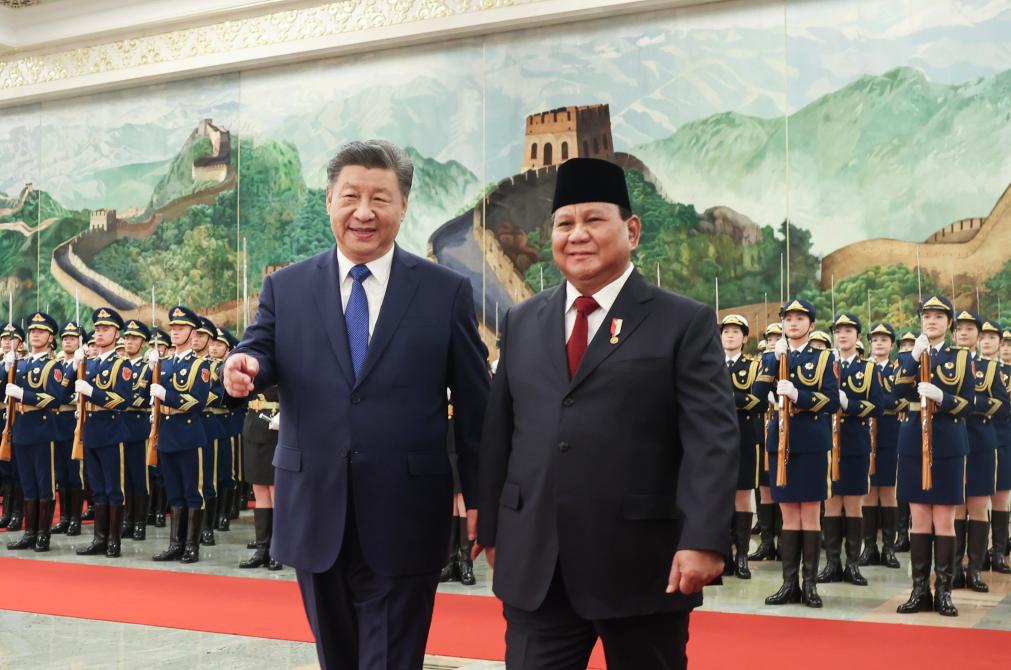
The visit of Indonesia's President, Prabowo Subianto, to Japan is a strategic move aimed at strengthening trade and economic cooperation between the two countries. Economic expert Didik J. Rashbin noted that this visit represents a significant moment for enhancing economic relations, especially in light of the global challenges facing nations.
In his statements, Didik emphasized that the President's foreign diplomacy should lead to tangible results, particularly in the areas of trade and investment, contributing to Indonesia's integration into global supply chains.
Details of the Visit
Prabowo's visit to Japan comes at a sensitive time, as both countries seek to bolster their economic partnership. Didik pointed out that Japan is a key trading partner for Indonesia, necessitating a strategic enhancement of relations. Indonesia exports energy, coal, and liquefied natural gas, in addition to agricultural and fishery products, while Japan exports industrial machinery and advanced technology.
This model of trade reflects a complementary relationship between the two nations, where both benefit from the exchange of products and services, enhancing the value of industrial supply chains and creating job opportunities in Indonesia.
Background & Context
Historically, Indonesia has maintained strong ties with Japan, which is considered one of the largest investors in the country. Japanese investments have contributed to the development of many vital sectors in Indonesia, including industry and infrastructure. However, global economic challenges, such as increasing competition from China, require Indonesia to strengthen its relationships with traditional partners like Japan.
It is worth noting that trade relations between Indonesia and China tend to be competitive, as both countries compete in exporting agricultural and industrial products, which may negatively impact local industries in Indonesia.
Impact & Consequences
Prabowo's visit to Japan is seen as a crucial step towards enhancing economic cooperation, with expectations of increased Japanese investments in Indonesia. Experts indicate that this visit should go beyond symbolic gestures and include clear strategies to boost trade and investment.
If these strategies are implemented effectively, they could contribute to strengthening Indonesia's national industry, particularly in sectors such as automotive and electronics, enhancing the country's competitiveness in global markets.
Regional Significance
The economic relations between Indonesia and Japan serve as a model for Arab countries, as they can benefit from enhancing their economic partnerships with traditional partners. Strengthening trade cooperation with countries like Japan can contribute to economic stability in the region.
In conclusion, Prabowo's visit to Japan represents a golden opportunity for Indonesia to enhance its economic standing on the global stage, and the Indonesian government must effectively capitalize on this opportunity to achieve long-term benefits.