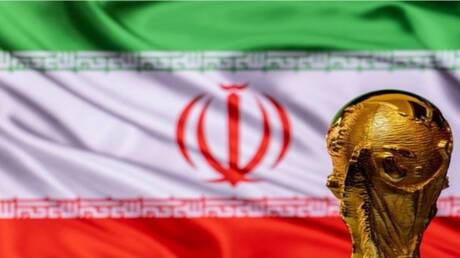
Gianni Infantino, President of the International Football Federation (FIFA), announced that Italy and the UAE are the leading candidates to replace Iran in the 2026 World Cup, amid political tensions that could impact some teams' participation. This announcement comes after the qualification of the teams, raising a wave of speculation and debate regarding the identities of the participants.
Concerns are growing about the possibility of Iran's participation in the tournament, as the country faces internal and external political tensions that could affect the stability of its national team. Infantino indicated that FIFA is closely monitoring the situation and is prepared to make necessary decisions to ensure alternative teams can participate if needed.
Event Details
A total of 48 teams have qualified for the 2026 World Cup, which is set to be held in the United States, Canada, and Mexico. However, the political situation in Iran may hinder the Iranian team's participation, prompting FIFA to consider alternative options. The name of Italy, one of the most successful teams in football history, has been mentioned alongside the UAE, which is striving to enhance its position in the global sports arena.
Infantino confirmed that FIFA is committed to providing a fair and safe competitive environment for all teams and that it will work to ensure that the tournament is not affected by political factors. He also noted that FIFA will make its decisions based on the current situation in Iran and will consult with relevant parties before taking any steps.
Background & Context
Historically, football has witnessed numerous events affected by political tensions. In 1978, the Chilean national team was excluded from participating in the World Cup due to a military coup in the country. Many other tournaments have also seen changes in participating teams due to political circumstances. Therefore, the current situation in Iran is not unprecedented in the sports arena.
Iran is considered one of the football powerhouses in Asia, having qualified for the World Cup on several occasions. However, the political and economic conditions in the country could impact the stability of the national team, raising concerns among football fans worldwide.
Impact & Consequences
If Iran is excluded from the tournament, it will affect its fans and the reputation of football in the country. Introducing an alternative team like Italy or the UAE could change the dynamics of the tournament, as Italy has a rich history in football, while the UAE seeks to develop its sports on an international level.
This situation may open the door for broader discussions about the impact of politics on sports and how sports federations can address such issues. It also raises questions about how these tensions might affect relationships between countries and how sports can serve as a bridge for communication among peoples.
Regional Significance
This issue is significant for the Arab region, where political relationships play a major role in sports. If Iran is excluded, it could lead to strengthened relations between the UAE and other Arab countries, especially as the UAE seeks to expand its influence in global sports.
Moreover, this situation could contribute to enhancing cooperation among Arab countries in the fields of sports and culture, potentially leading to improved relations between nations in the region. Ultimately, football remains a means of communication and understanding among peoples, despite the political challenges it may face.