PT PLN, the electricity distribution unit in North Sumatra, has announced the commencement of a program to introduce electricity to villages in the Deli Serdang area, creating new opportunities for improving the economic and social conditions of local residents. This announcement was made by the company's director general, Mundhakir, during a press conference in Medan.
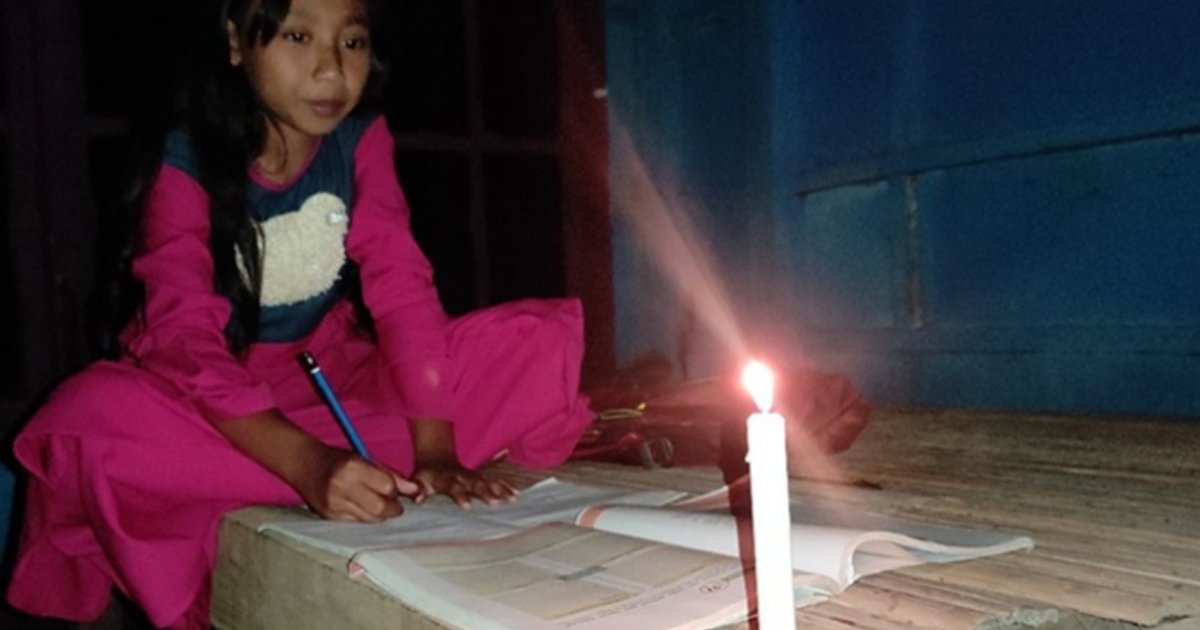
Mundhakir pointed out that the project is not limited to providing networks and infrastructure; it also aims to enhance the overall quality of life by boosting productivity and providing educational opportunities for children. He emphasized that electricity represents the foundation of modern civilization, contributing to lighting homes and offering hope to communities.
Event Details
The electricity introduction works began in Durin Serujon village, where Mundhakir expressed his appreciation for the government support that contributed to the success of this program. He affirmed that the company is committed to providing energy fairly to all regions, including remote areas, reflecting Indonesia's commitment to achieving a more sustainable energy future.
He also added that the introduction of electricity is a fundamental part of comprehensive national development, aligning with PLN's transformation to support the transition to renewable energy sources. He stressed the importance of villagers feeling the benefits of sustainable energy and having equal opportunities for development and growth.
Background & Context
Historically, many rural areas in Indonesia have suffered from a lack of access to electricity, negatively impacting economic and social development. However, the Indonesian government has laid out ambitious plans to expand the electricity network to include all regions, in line with global sustainable development goals.
Indonesia is among the countries striving to achieve a balance between economic development and environmental preservation. Introducing electricity to villages is a significant step towards achieving this balance, as it will enable residents to improve their living standards and increase their productivity.
Impact & Consequences
The introduction of electricity is expected to enhance the quality of education in villages, as children will be able to study in better conditions, thereby improving their future opportunities. It will also help improve living standards by creating new job opportunities and increasing productivity in local economic activities.
This project could serve as a model for other countries facing similar challenges in providing energy to remote areas. Improving access to electricity can have widespread positive effects on economic and social development.
Regional Significance
Although this project is located in Indonesia, it holds significant implications for Arab countries facing challenges in providing energy to their rural areas. Arab nations can benefit from Indonesian experiences in introducing electricity to villages, enhancing their efforts towards achieving sustainable development.
In light of the environmental and economic challenges facing the region, improving access to energy is a vital step towards achieving sustainable development and enhancing social stability.